Sewer Line Repair maintenance schedule
A practical sewer line maintenance schedule by interval, from monthly drain checks to camera inspections every few years, with US jetting and inspection costs.
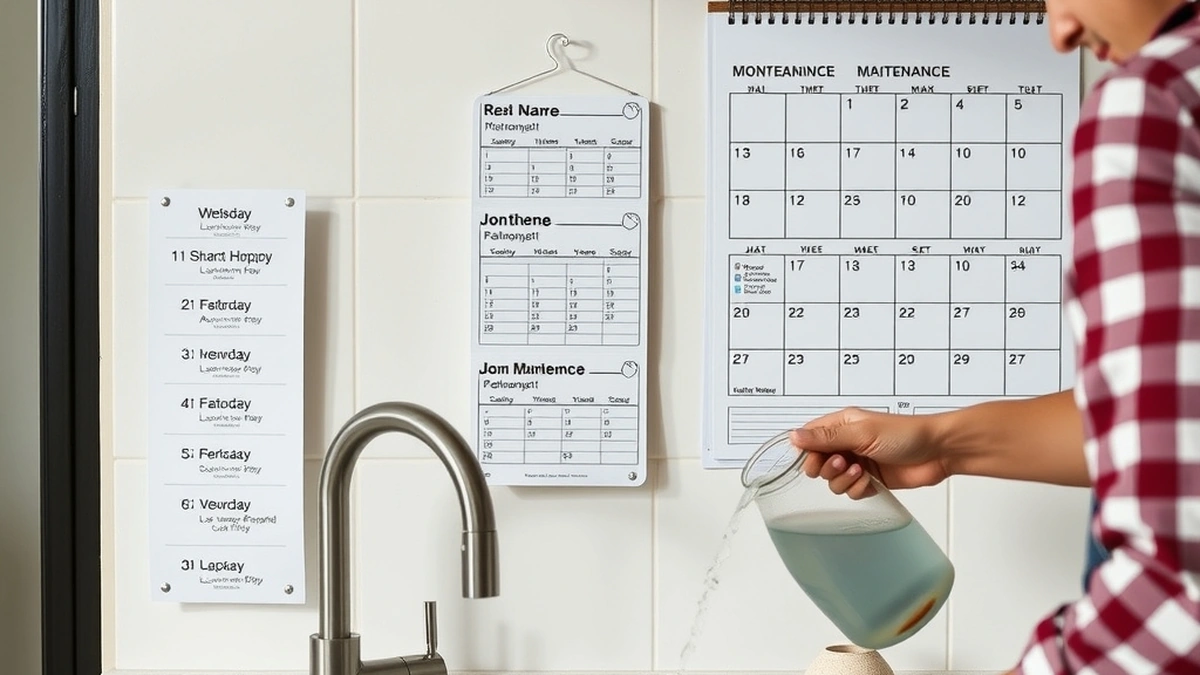
A workable schedule is monthly hot-water flushes, a quarterly drain-by-drain check, annual jetting only for known root or grease problems, and a camera inspection every 3 to 5 years on older pipe.
- Camera inspection
- $200–$500
- Hydro jetting
- $300–$800
- Inspection interval
- 3–5 years
- Spot repair
- $1,500–$5,000
Some links on this page are affiliate links.If you buy through them we may earn a commission at no extra cost to you. We do not accept payment for rankings. Read the full disclosure.
A sewer line maintenance schedule works best when it is mostly cheap and occasional. Flush hot water monthly, check each drain quarterly, and pay for a camera inspection every three to five years if your pipe is clay, cast iron, or Orangeburg. Jetting at $300 to $800 belongs on the calendar only when there is a known grease or root problem, not as a yearly ritual.
The schedule at a glance
Sewer line maintenance is the scheduled work of keeping the pipe clear and inspecting its condition before a defect becomes a backup. It is not the same as a repair; it is what you do so the repair stays unnecessary.
| Interval | Task | Typical cost | Who does it |
|---|---|---|---|
| Monthly | Hot water flush of each drain | $0 | Homeowner |
| Quarterly | Drain-by-drain flow check, strainer cleaning | $0 | Homeowner |
| Twice a year | Root check on lines under trees, cleanout inspection | $0 | Homeowner |
| Annually | Jetting, only if grease or roots are known | $300–$800 | Pro |
| Every 3–5 years | Camera inspection, clay or cast iron pipe | $200–$500 | Pro |
| Every 5–7 years | Camera inspection, PVC pipe | $200–$500 | Pro |
| After any repair | Camera pass at the one-year mark | $200–$500 | Pro |
That table costs a homeowner roughly $0 to $800 in a normal year and $200 to $500 in an inspection year. Compare that with a spot repair at $1,500 to $5,000 or a replacement at $5,000 to $15,000 and the schedule pays for itself the first time it catches something early.
Monthly: the two-minute flush
Once a month, fill each sink and tub with hot water and let it drain at once. The volume scours the trap arm and the branch line, and it costs nothing. Follow with a kettle of hot water down the kitchen drain if you cook with oil.
This does not clean the main. It keeps the branch lines, which are where most slow drains start, from accumulating soap scum and grease film. A branch that drains freely also tells you early when something downstream is wrong, because the first sign of a main problem is usually several fixtures draining slowly at once.
Quarterly: the drain-by-drain check
Walk the house and time how long each fixture takes to clear. Compare it with last quarter. A bathroom sink that has gone from four seconds to nine seconds is telling you something, and the fix at that stage is usually a $6 drain snake and ten minutes.
Clean the strainers, check the washing machine hose for kinks, and look at the floor drain in the basement or utility room. If it smells or has standing water, the trap is dry or the line is restricted.
Annually: jetting or not
Hydro jetting uses high-pressure water to scour grease, silt, and roots from the pipe wall. It runs $300 to $800 and it is the right tool when the line has a known problem: a restaurant-style grease load in a home kitchen line, roots at a known joint, or a long run with low slope that collects solids.
It is the wrong tool as an annual habit. Jetting a clean pipe accomplishes nothing, and repeated high-pressure work on old clay or Orangeburg can do damage. If a contractor recommends yearly jetting, ask what the camera shows that justifies it.
Run the numbers before agreeing to a standing plan. Jetting at $550 every two years for ten years is 5 × $550 = $2,750. That is real money, and it does not fix a cracked pipe, it only clears it.
Every three to five years: the camera inspection
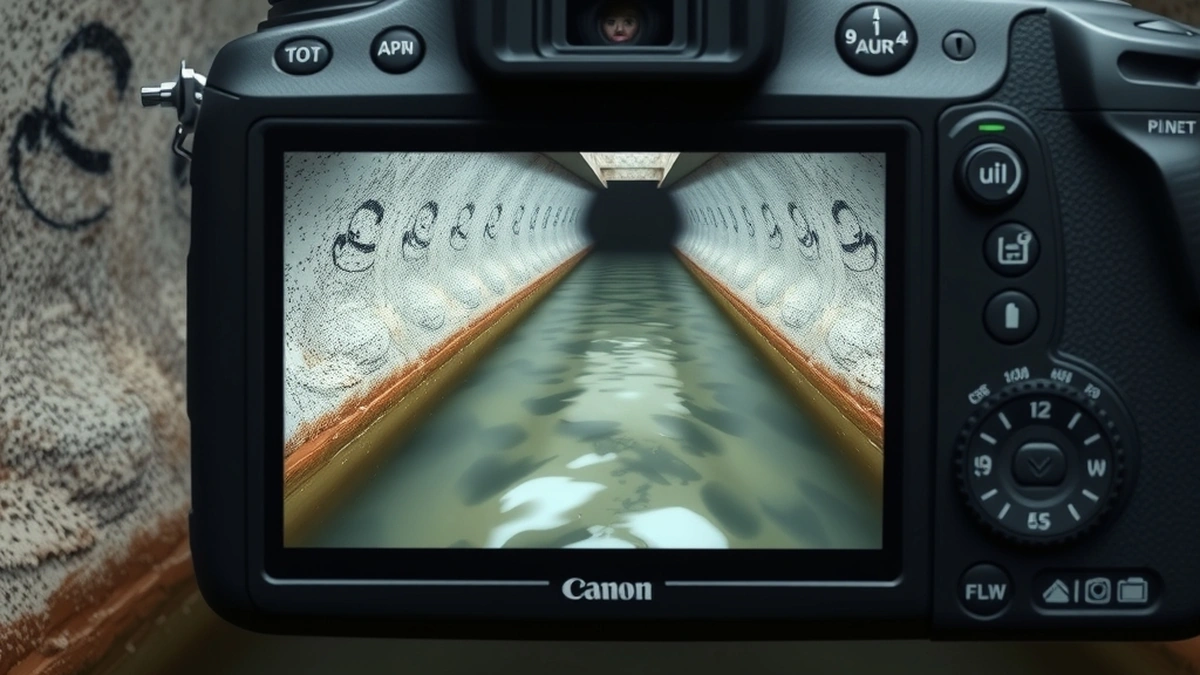
A camera inspection at $200 to $500 is the only maintenance item that actually sees the pipe. It records cracks, offsets, root intrusion, bellies, and corrosion, and it gives you a baseline to compare against next time. For homes with clay tile, cast iron, or Orangeburg, three to five years is a sensible interval. Newer PVC can stretch to five to seven.
Two triggers override the calendar. First, slow drains in more than one fixture at once. Second, a house older than about 40 years with no inspection on record. Both are worth the $200 to $500 immediately, because the difference between a $1,500 spot repair and a $12,000 replacement is usually how long the defect went unseen.
What should never go down the drain
The cheapest maintenance is refusal. These belong in the trash, not the sewer:
- Cooking grease and oil, in any quantity, including “just a little”
- “Flushable” wipes, which do not disperse like toilet paper
- Paper towels, cotton swabs, dental floss, and hair
- Coffee grounds, eggshells, and fibrous vegetable waste in volume
- Medication, which belongs in a take-back program, not the water supply
- Paint, solvent, and automotive fluid
Grease is the single biggest contributor to residential main blockages. It leaves the pan as a liquid, cools in the pipe, and coats the wall. Enough coatings and the pipe narrows to the point where paper alone blocks it.
After a repair: the first-year schedule
A repaired line needs a shorter leash. Have the line camera-checked at the one-year mark, at $200 to $500, to confirm the repair is holding and no new defects have opened at the joints. Then return to the normal interval.
Keep the repair paperwork with the inspection recording. If you sell the house, that file is worth more than a verbal assurance, and if the repair fails inside its warranty, the recording is the evidence that starts the claim.
Putting it on a calendar
- Pick one weekend a month for the hot-water flush, and set a phone reminder.
- Mark the quarterly drain check at the change of each season.
- Note the installation year of your pipe, or the year of the last inspection, and set the next camera date from the table above.
- Record every service call with date, cost, and what the camera showed.
- Re-read the record before agreeing to any new work, so you can tell a new problem from an old one being resold.
For what happens when maintenance is skipped, see broken sewer line repair and the comparison in sewer line repair vs drain cleaning. If you are choosing between a repair and a replacement now, how long sewer line repair lasts sets the timeline the schedule is protecting.
A maintenance schedule is not a subscription. It is a short list of free habits and two paid checkpoints, and it exists so the expensive conversation never happens in a flooded basement at midnight.
Frequently asked questions
How often should a sewer line be inspected?
Every three to five years for homes with clay, cast iron, or Orangeburg pipe, and every five to seven years for newer PVC. Add an inspection any time drains slow in more than one fixture.
Should I hydro jet my sewer line every year?
No. Annual jetting at $300 to $800 is only justified when the line has a known grease or root problem. Otherwise it removes nothing and spends money you could put toward a camera inspection.
What maintenance actually prevents sewer backups?
Keeping grease, wipes, and roots out of the line, flushing hot water monthly, and catching slow drains early. Inspections find defects before they become backups.
How much does preventive maintenance cost per year?
A realistic budget is $0 in most years and $200 to $500 every three to five years for a camera inspection, plus $300 to $800 if jetting is needed. That is far below a $5,000 to $15,000 replacement.
Does a sewer repair change the maintenance schedule?
Yes. After a repair, have the line camera-checked at the one-year mark, then return to the normal interval. New pipe under warranty still benefits from an early look.
Can I do sewer maintenance myself?
You can handle hot-water flushes, drain strainers, and grease disposal. Camera inspection, jetting, and root cutting need equipment and training, and confined-space entry is not a homeowner task.
Sources
Some links are affiliate links.If you buy through them we may earn a commission at no extra cost to you. We do not accept payment for rankings. Read the full disclosure.