Broken Sewer Line Repair: Costs, Signs, and Options
Learn how to identify and fix a broken sewer line with camera inspection, trenchless repair, and replacement cost estimates.
A broken sewer line requires camera inspection first, then spot repair or full replacement. Costs typically range from $1,500 to $15,000 depending on method and damage extent.
- Typical repair cost
- $1,500–$15,000
- Camera inspection
- $200–$500
- First step
- Camera inspection
- Spot repair
- $1,500–$5,000
- Full replacement
- $5,000–$15,000
Some links on this page are affiliate links.If you buy through them we may earn a commission at no extra cost to you. We do not accept payment for rankings. Read the full disclosure.
A broken sewer line is a plumbing failure that requires immediate attention. The first step is always a camera inspection to confirm the location and severity of the break. From there, the choice is usually between a spot repair and full replacement.
Signs of a Broken Sewer Line
Homeowners often notice warning signs before a complete failure. Slow drains throughout the house, gurgling sounds from toilets, sewage odors in the yard or basement, and wet patches in the lawn can all indicate a compromised pipe. In severe cases, sewage backs up into lower-level drains or fixtures.
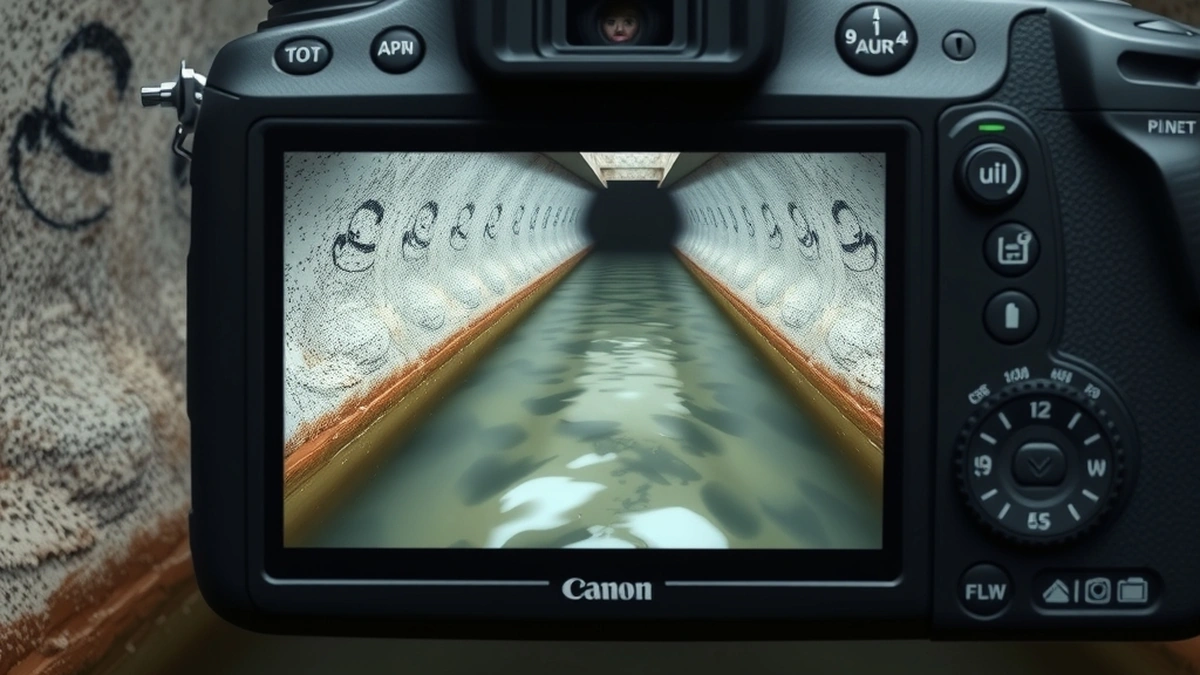
These symptoms do not always mean the line is broken. Roots, grease buildup, or a partial collapse can produce similar warnings. That is why guessing is expensive. A camera inspection, typically priced between $200 and $500, sends a waterproof camera into the line to show the exact condition of the pipe interior.
Why Camera Inspection Comes First
Camera inspection is the foundation of any honest broken sewer line repair estimate. Without it, a contractor cannot tell whether the problem is a localized crack, a separated joint, or a fully collapsed section. The inspection also identifies pipe material—commonly clay, cast iron, Orangeburg, or PVC—and measures the depth and length of the damaged segment.
If the camera shows roots entering through a joint but the pipe is otherwise sound, hydro jetting may clear the blockage. Hydro jetting generally costs between $300 and $800. If the pipe has a fracture or offset, the next decision is repair versus replacement.
Spot Repair vs. Full Replacement
A spot repair targets a specific damaged section of pipe, usually a few feet long. This approach makes sense when the break is isolated and the rest of the line is in good condition. Spot repair costs typically range from $1,500 to $5,000.
Full replacement becomes necessary when the pipe has multiple breaks, severe corrosion, or material failure such as collapsed Orangeburg. Full replacement costs generally fall between $5,000 and $15,000. The final price depends on pipe length, depth, local labor rates, and whether landscaping, driveways, or sidewalks must be restored.
Here is a simplified cost comparison:
| Repair Type | Typical Cost Range | Best For |
|---|---|---|
| Camera inspection | $200–$500 | Diagnosing all sewer line issues |
| Spot repair | $1,500–$5,000 | Isolated breaks in otherwise sound pipe |
| Trenchless lining | $4,000–$12,000 | Cracked or leaking pipes without full dig |
| Full replacement | $5,000–$15,000 | Widespread damage or collapsed pipe |
| Emergency backup service | $500–$1,500 | Immediate response to sewage backup |
Arithmetic example: If a contractor quotes a spot repair at $3,000 plus a camera inspection at $350, the total before restoration is $3,350. If full replacement is quoted at $10,000 plus $400 for inspection, the total is $10,400. These are estimates, and actual quotes vary by region and site conditions.
Trenchless Lining as a Middle Option
Trenchless lining, also called cured-in-place pipe (CIPP), installs a resin-saturated liner inside the existing pipe. The liner hardens to form a new pipe within the old one. This method avoids digging up the yard in many cases, though access points are still needed.
Trenchless lining usually costs between $4,000 and $12,000. It is not appropriate for every break. If the pipe has completely collapsed or has lost its round shape, lining cannot restore structural integrity. A camera inspection determines whether the existing pipe can host a liner.
Open Trench Replacement
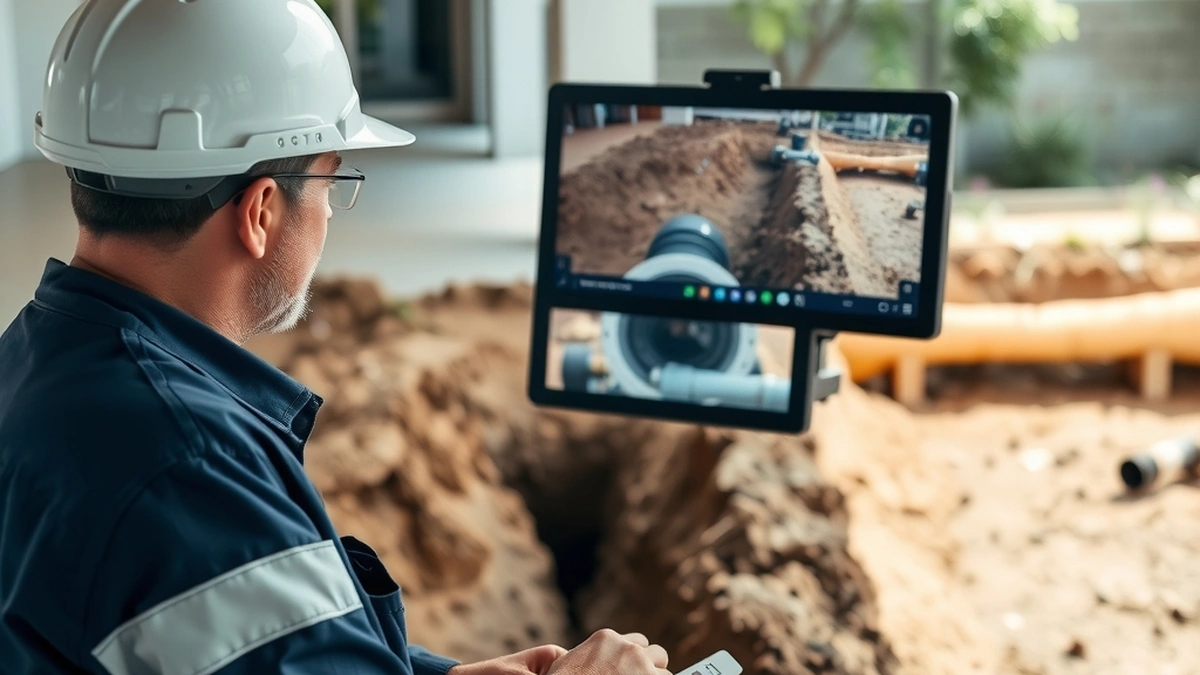
When trenchless methods are not viable, open trench replacement requires excavating the soil above the sewer line, removing the old pipe, and installing new pipe. This is labor-intensive and can disrupt landscaping, driveways, or patios. Restoration of the excavated area adds to the total cost.
Depth matters. A sewer line buried at 4 feet is easier to reach than one at 10 feet. Deeper excavation requires more shoring, more backfill, and more labor hours, which pushes the price toward the high end of the $5,000 to $15,000 range.
Emergency Situations
If sewage is backing up into the home, treat it as an emergency. Stop using sinks, toilets, and appliances that drain into the sewer line. Avoid contact with the water, which can contain bacteria and contaminants. Emergency service calls often range from $500 to $1,500, depending on time of day and response speed.
An emergency does not change the diagnostic order. Even with water backing up, a camera inspection should be performed once the line is accessible, so the repair addresses the actual break rather than a symptom.
Choosing a Contractor
Look for a plumber who offers camera inspection as a standard first step and provides written estimates for both trenchless and open trench options. Avoid contractors who quote a price over the phone without seeing the line. Ask whether the estimate includes restoration, permits, and disposal of old pipe.
For more context on pricing, see our guide to how much sewer line repair costs. If you are weighing repair against full replacement, our article on main sewage line replacement covers the full project scope. For ongoing care after the repair, read our sewer line repair maintenance overview.
What to Expect After Repair
After a spot repair or replacement, the line should be tested for leaks and proper flow. The camera may be run again to confirm the fix. If the repair involved excavation, the soil will settle over time, and some landscaping touch-up may be needed weeks later.
Regular maintenance helps prevent future breaks. Avoid flushing non-biodegradable items, keep grease out of drains, and consider periodic camera checks if your home has older clay or cast iron piping. For a comparison between repair and routine cleaning, see sewer line repair vs drain cleaning.
A broken sewer line rarely fixes itself. Acting quickly limits property damage and keeps repair costs closer to the spot repair range rather than the full replacement range. Start with a camera inspection, get a written estimate, and choose the method that matches the condition of your pipe.
Frequently asked questions
What is the first step for a broken sewer line?
Schedule a camera inspection to locate the break and confirm the pipe material before choosing a repair method.
How much does spot repair cost?
Spot repair for a broken sewer line typically costs between $1,500 and $5,000, depending on depth and access.
How much does full sewer replacement cost?
Full replacement usually runs from $5,000 to $15,000, influenced by pipe length, depth, and restoration needs.
Is trenchless lining an option for breaks?
Trenchless lining costs about $4,000 to $12,000 and works for some cracked or leaking pipes without full excavation.
Can I repair a sewer line myself?
DIY sewer repair is not recommended because of excavation depth, heavy equipment, and exposure to raw sewage.
What should I do during a sewer backup emergency?
Stop using water, avoid contact with sewage, and call a plumber immediately; emergency service can cost $500 to $1,500.
Sources
Some links are affiliate links.If you buy through them we may earn a commission at no extra cost to you. We do not accept payment for rankings. Read the full disclosure.