
Compare guides
Compare the options for sewer line repair.
Trenchless lining vs Pipe bursting
The two options buyers compare most in this category solve the same problem at different price points and with different failure modes. The honest comparison is cost per year of service, not sticker price.
| Question | Trenchless lining | Pipe bursting |
|---|---|---|
| Installed cost | $1,500-$5,000 | $5,000-$15,000 |
| Expected life | See the method guide | See the method guide |
| Maintenance | Lower | Higher or lower by exposure |
| Best for | Most residential jobs | Where the first option does not fit |
What the comparison hides
Two traps. First, comparing a premium material installed without prep against a mid-range material installed properly — the cheap install fails first. Second, comparing a five-year cost for one option with an installed price for the other. Normalise both to cost per year before deciding.
The cost hub has the line items, the methods hub explains the failure modes, and the contractor hub covers how to read the quote.
Is the more expensive option worth it?
When the exposure is hard on the cheaper material, or when re-doing the job would cost more than the difference. Otherwise no.
Can the two be combined?
Sometimes — a premium surface over a repaired base is a common compromise. Ask what warranty covers the combination.
All compare guides
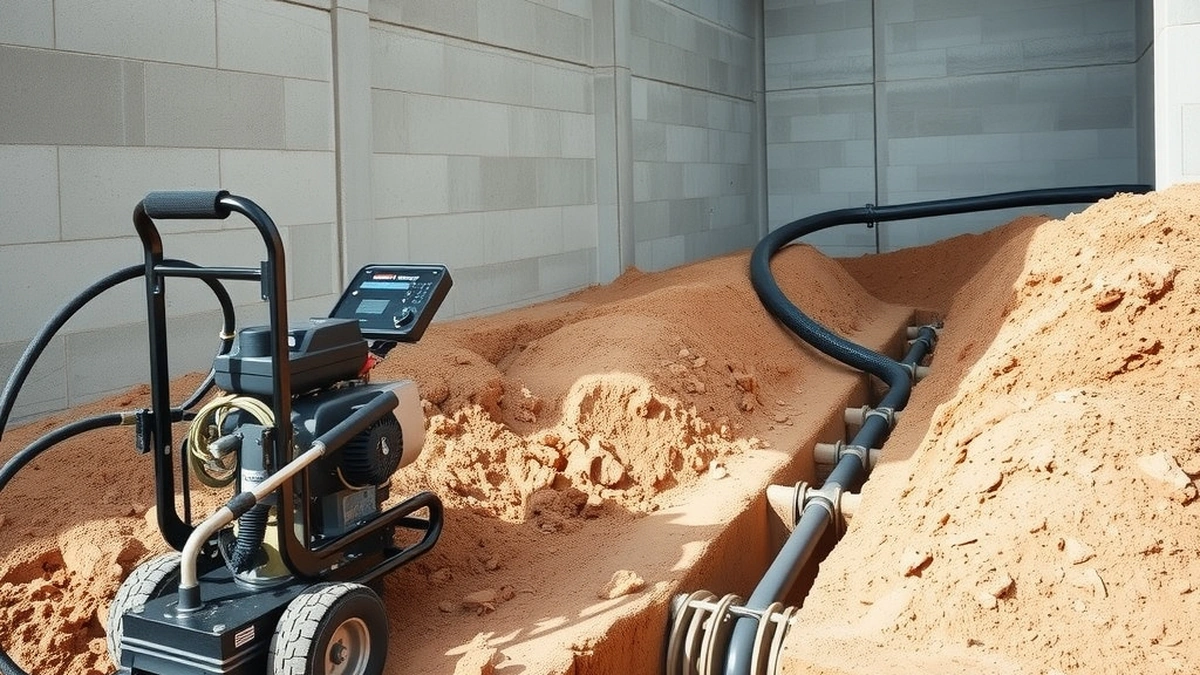
Full replacement vs hydro jetting
Jetting costs $300 to $800 and fixes flow; replacement costs $5,000 to $15,000 and fixes the pipe. The ten-line test that tells which one you need.
Read the guide →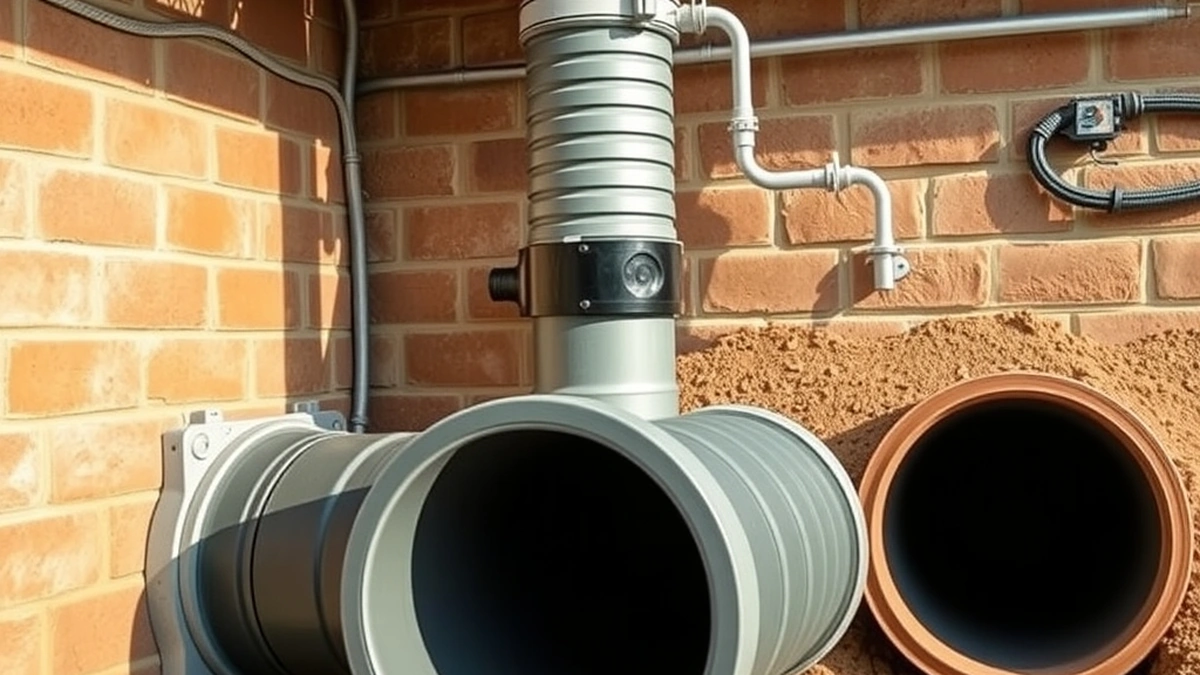
Full replacement vs trenchless lining: the real gap
Replacement costs $5,000 to $15,000 and lining $4,000 to $12,000. The gap is smaller than it looks, and the host pipe decides which one you can actually buy.
Read the guide →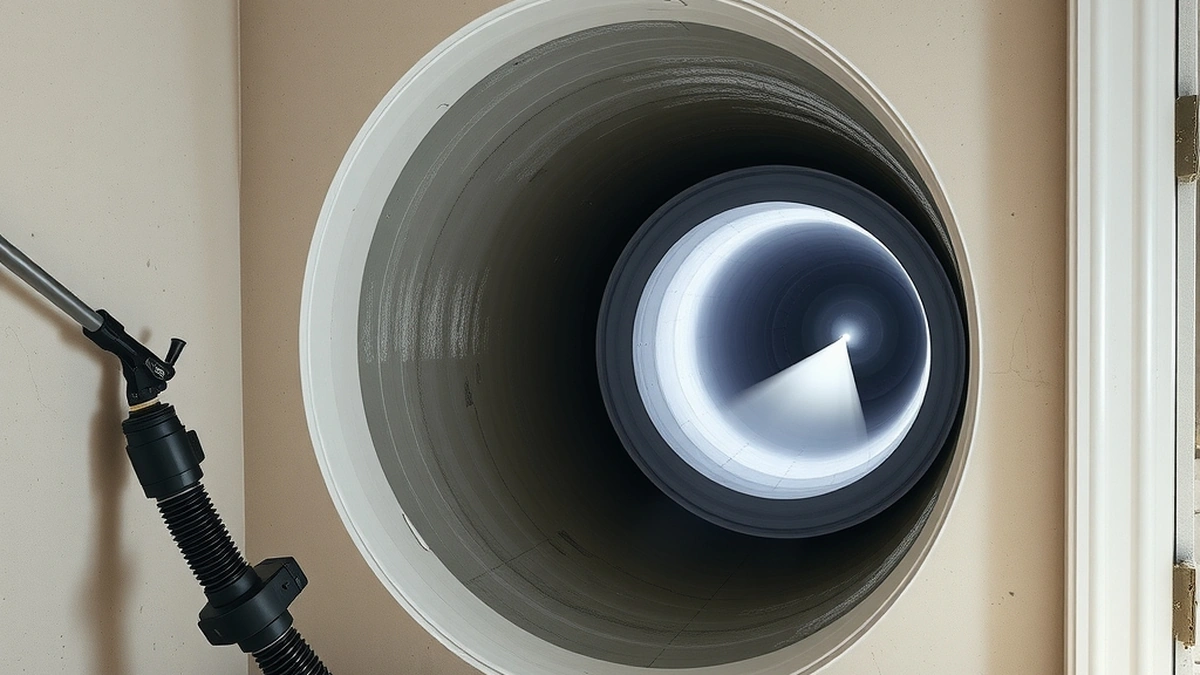
Hydro jetting vs trenchless lining
Jetting cleans a sewer line for $300 to $800; lining rebuilds it for $4,000 to $12,000. They solve different problems, and the camera decides which.
Read the guide →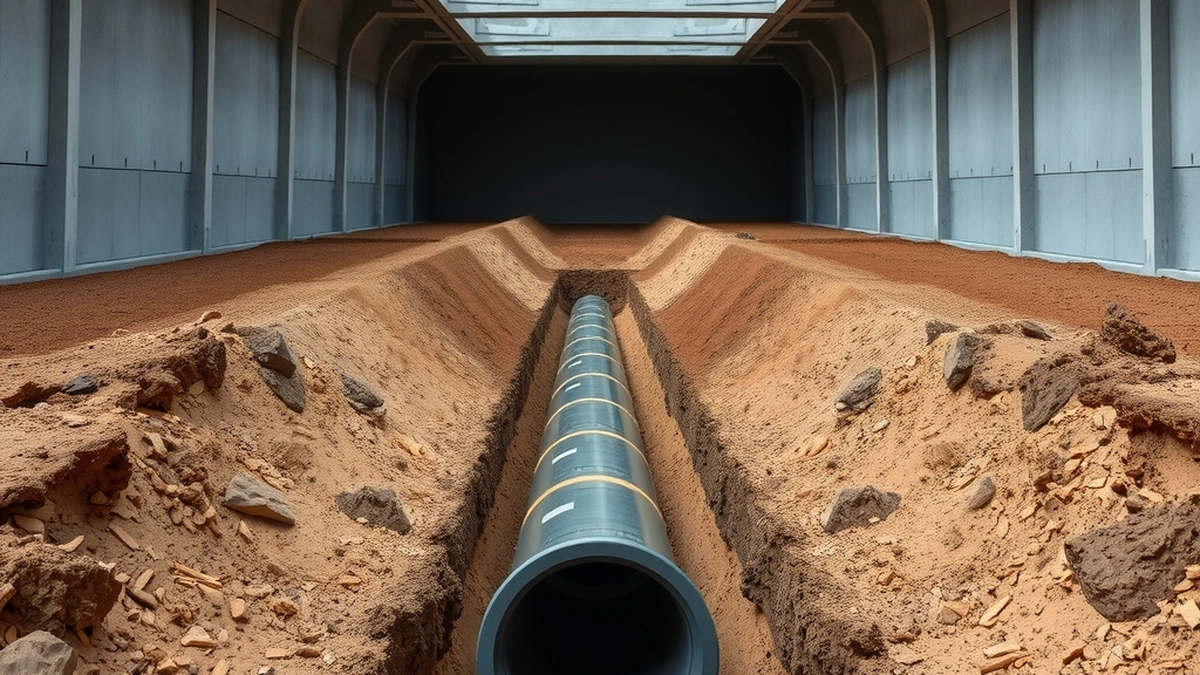
Pipe bursting vs full replacement
Both replace the pipe for $5,000 to $15,000. Bursting saves the surface, open trench saves the grade. Here is how to tell which one your line needs.
Read the guide →
Pipe bursting vs hydro jetting
Jetting clears a pipe for $300 to $800; bursting replaces it for $5,000 to $15,000. One is maintenance, one is construction, and the camera decides.
Read the guide →
Pipe bursting vs spot repair
One costs $1,500 to $5,000 for a single fix; the other $5,000 to $15,000 for a new pipe. How to choose from the camera recording, with worked numbers.
Read the guide →
Pipe bursting vs trenchless lining: which fits
Pipe bursting replaces the pipe for $5,000 to $15,000; lining builds a new wall inside it for $4,000 to $12,000. How condition, diameter, and access decide.
Read the guide →
Sewer Line Repair vs drain cleaning
Drain cleaning clears a blockage in a sound pipe; sewer repair fixes the pipe itself. How to tell which you need, and what each costs in the US.
Read the guide →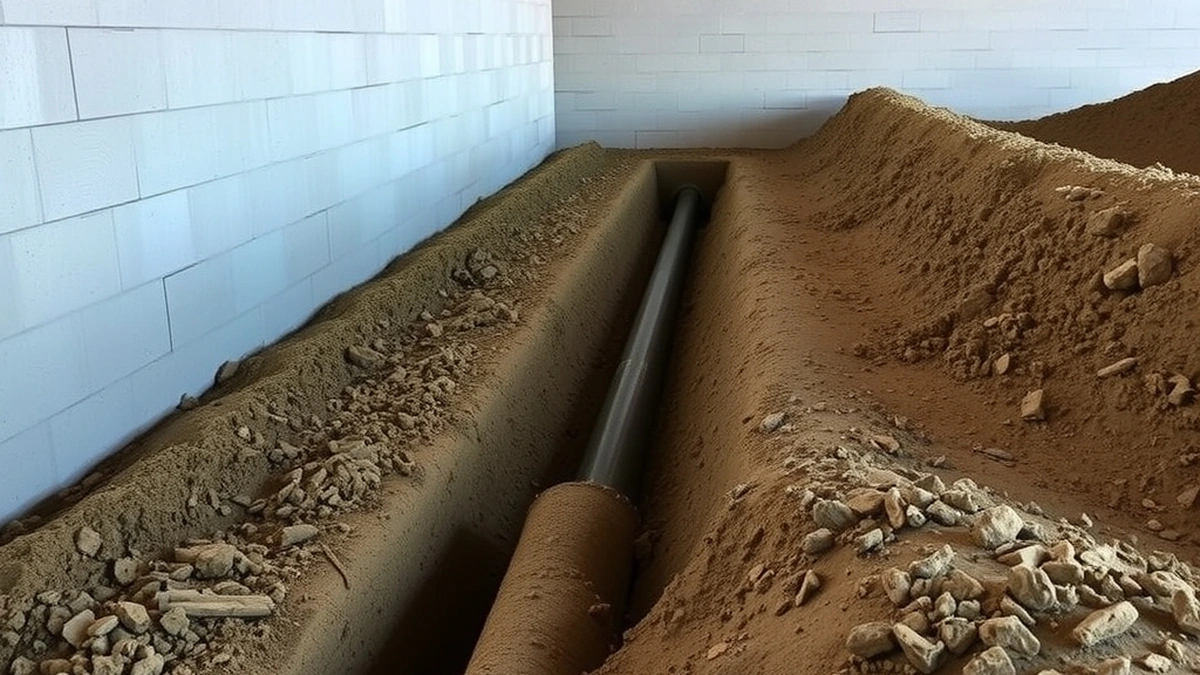
Spot repair vs full replacement
A spot repair costs $1,500 to $5,000 and fixes one defect; full replacement costs $5,000 to $15,000 and fixes the line. How patching compares, with numbers.
Read the guide →
Spot repair vs hydro jetting
Jetting is $300 to $800 for a clean pipe; a spot repair is $1,500 to $5,000 for a broken one. When cleaning is enough and when it is throwing money away.
Read the guide →
Spot repair vs trenchless lining: which one fits
Spot repair fixes one defect for $1,500 to $5,000; lining renews the run for $4,000 to $12,000. The camera decides, and the break-even is about three defects.
Read the guide →
Trenchless lining vs full replacement
Lining is $4,000 to $12,000 and replacement $5,000 to $15,000. The deciding factors are grade, collapse, and how much surface you have to restore.
Read the guide →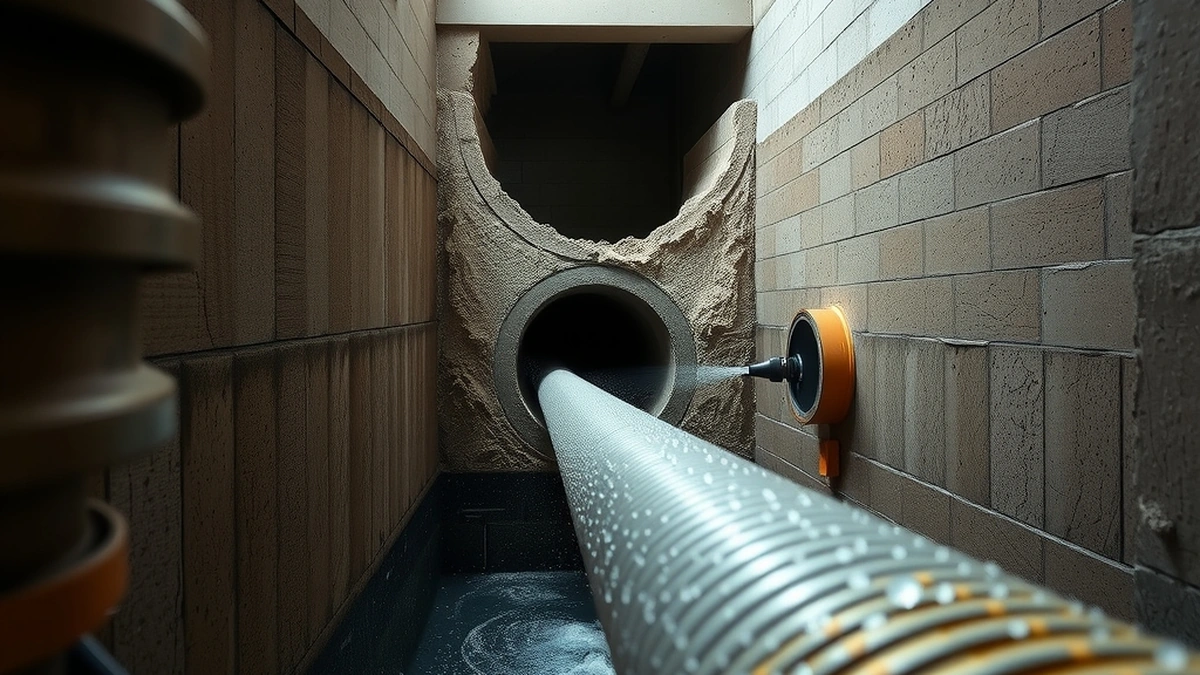
Trenchless lining vs hydro jetting
Jetting cleans for $300 to $800; lining rebuilds for $4,000 to $12,000. Why they are sequential steps in a job, not alternatives, and when each is bought.
Read the guide →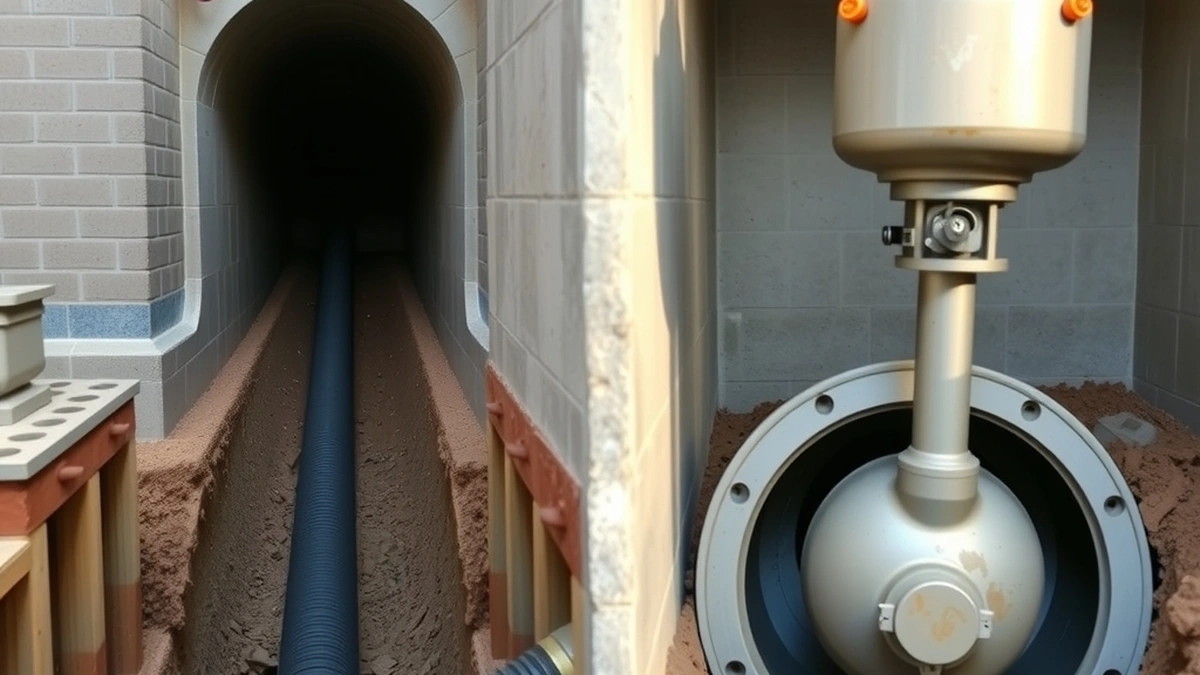
Trenchless lining vs pipe bursting
Lining costs $4,000 to $12,000 and bursting $5,000 to $15,000, but price is the wrong first question. Here is what each method can and cannot do.
Read the guide →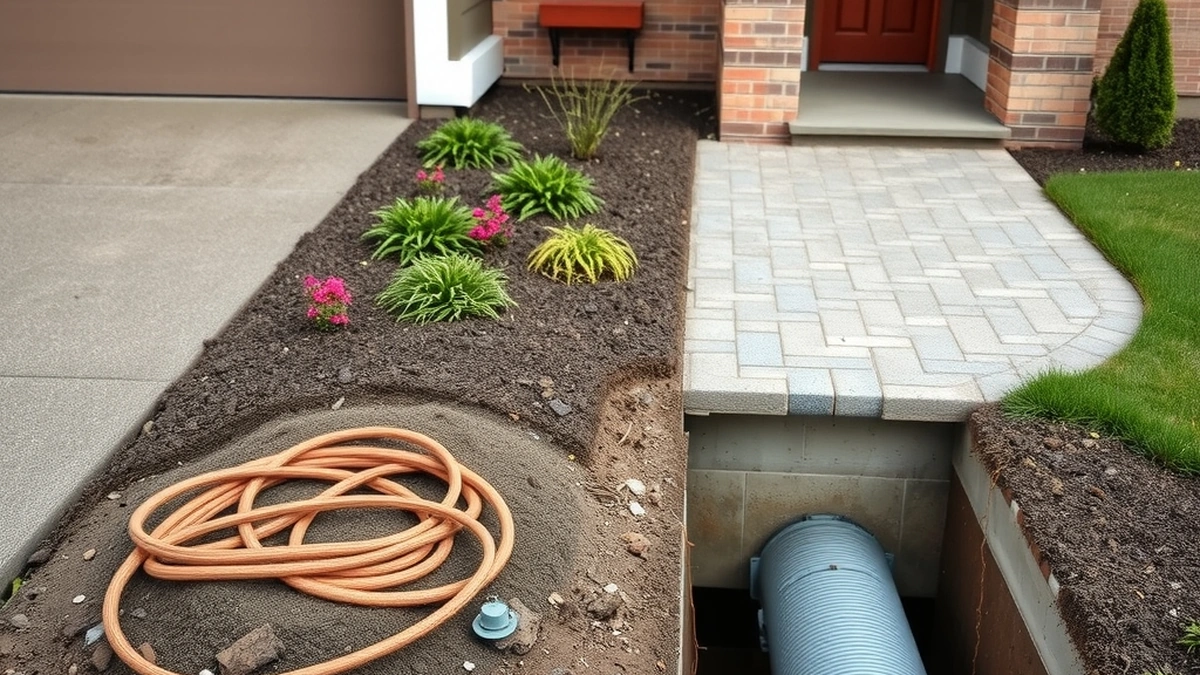
Trenchless lining vs spot repair
A spot repair fixes one defect for $1,500 to $5,000; lining rebuilds the run for $4,000 to $12,000. The camera footage count decides which is cheaper.
Read the guide →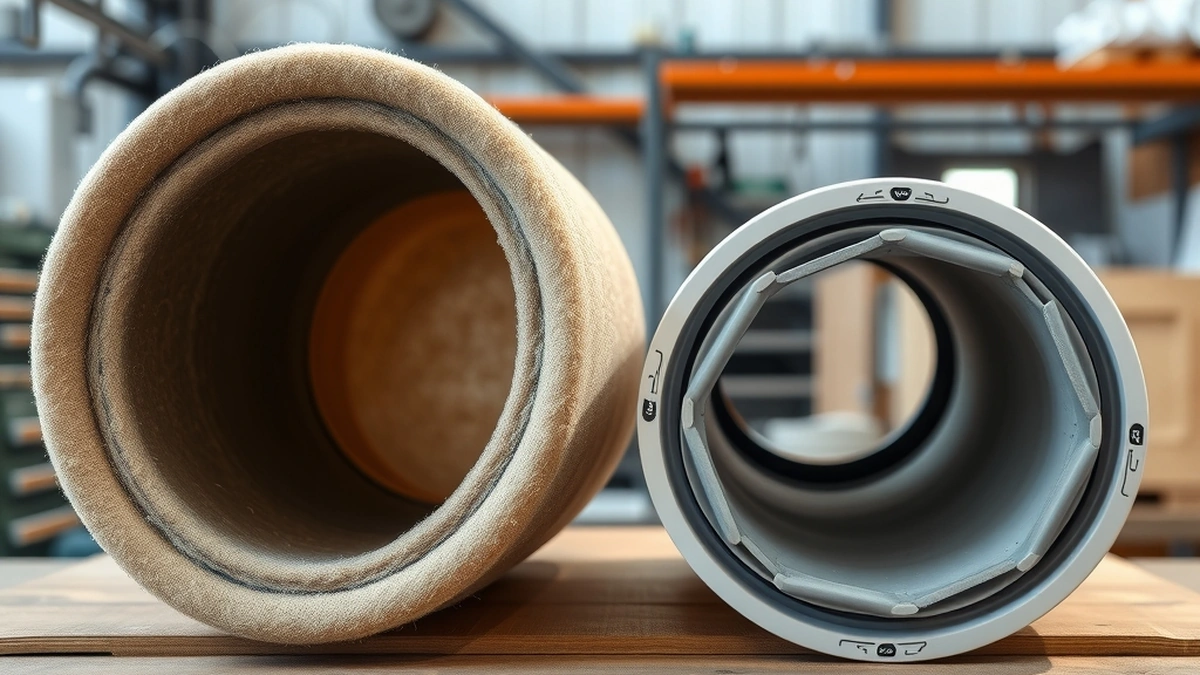
Trenchless lining vs trenchless lining: CIPP or spray
The real comparison in trenchless lining vs trenchless lining is cured-in-place against spray and fold-and-form systems: costs, limits, and where each one wins.
Read the guide →