
Methods guides
Methods and materials for sewer line repair.
The options, and what each one does
Sewer Line Repair is sold as one product and behaves as several. The table separates them by what they are made of and where they fit.
| Option | What it is | Where it fits |
|---|---|---|
| Trenchless lining | Cured-in-place sleeve | No digging, most pipes |
| Pipe bursting | Replace in place | Larger diameter |
| Spot repair | Excavate one section | Isolated damage |
| Full replacement | Open trench | Collapsed or bellied line |
| Hydro jetting | High-pressure water | Roots and grease, not damage |
How the choice is made
The decision order is the same in every project: diagnose the problem, set the budget, then pick the material. Buyers who start with the material usually re-do the job. A contractor who quotes a method before inspecting the site is guessing.
What we check before recommending a method
- Does the material match the exposure — sun, salt, freeze-thaw, water?
- Is the substrate or structure adequate for it?
- Does the warranty cover the failure mode that actually happens?
- Is the maintenance schedule realistic for the owner?
The cost hub carries the installed ranges, and the comparison hub puts the two closest options side by side.
Which option lasts longest?
It depends on exposure more than on brand. The premium material installed badly fails before the mid-range material installed properly.
Can I change method later?
Sometimes, at a cost. Ask what the removal and disposal line would be before choosing the cheaper option now.
All methods guides
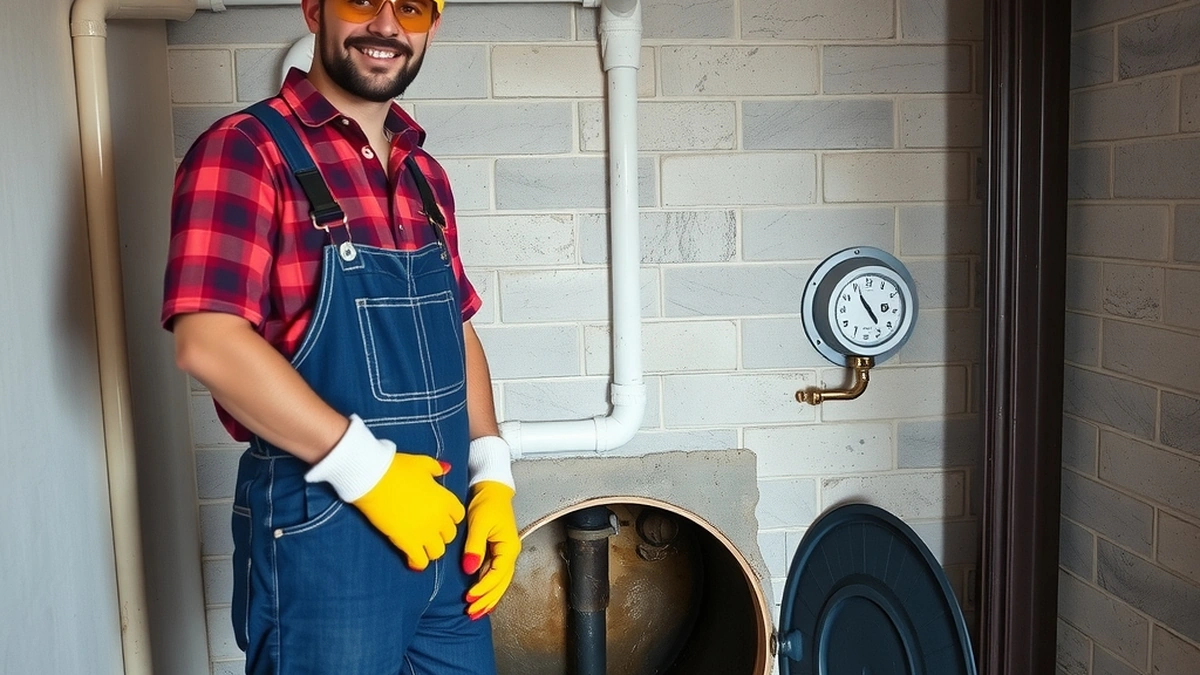
DIY sewer line repair: what you can and cannot do
A realistic split between homeowner sewer tasks and work that needs a licensed crew, plus tools, costs, and the safety lines that are not negotiable.
Read the guide →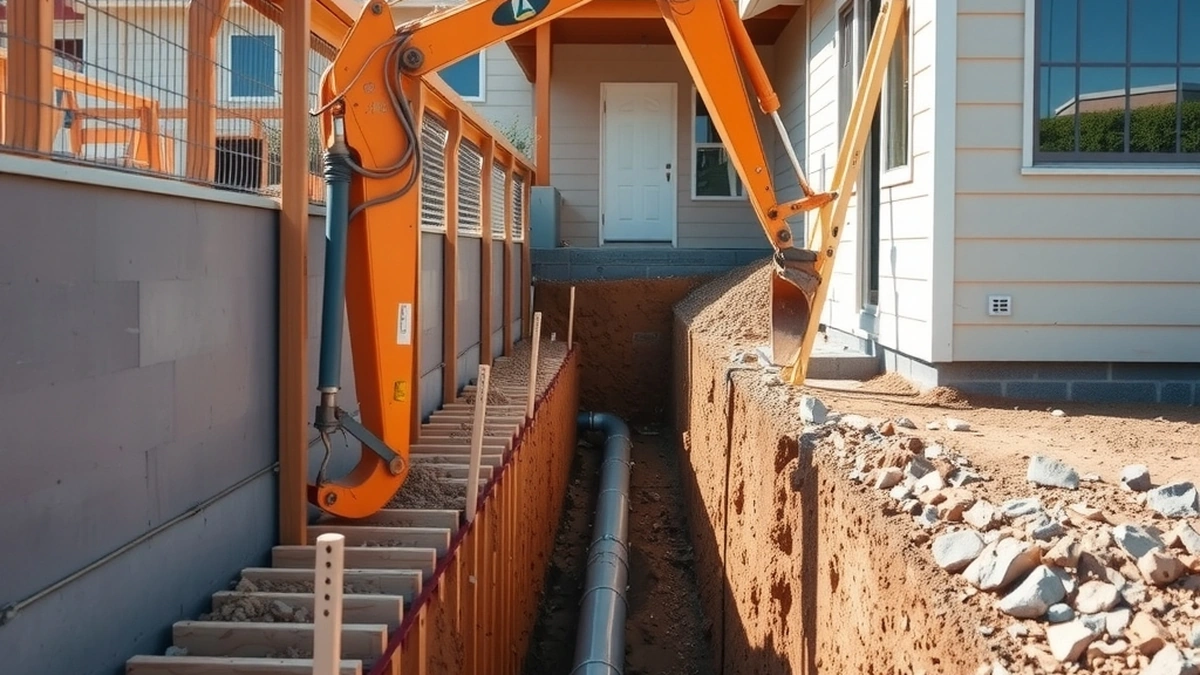
Full replacement installation: the work, day by day
Full sewer replacement installation runs 2 to 5 days: locate, dig, set slope, connect, inspect, backfill, restore. Here is each stage and what to watch.
Read the guide →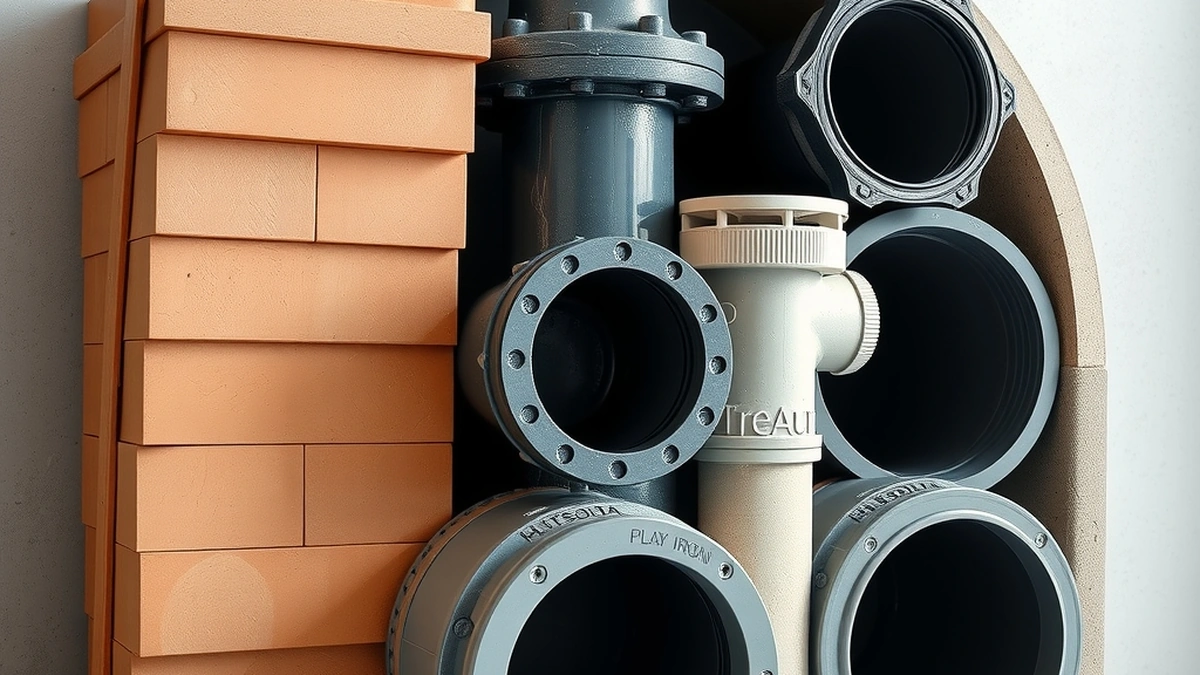
How long does sewer line repair last?
Expected service life for spot repairs, linings, and replacements by material, from 10-year patch jobs to 100-year PVC, with the factors that shorten it.
Read the guide →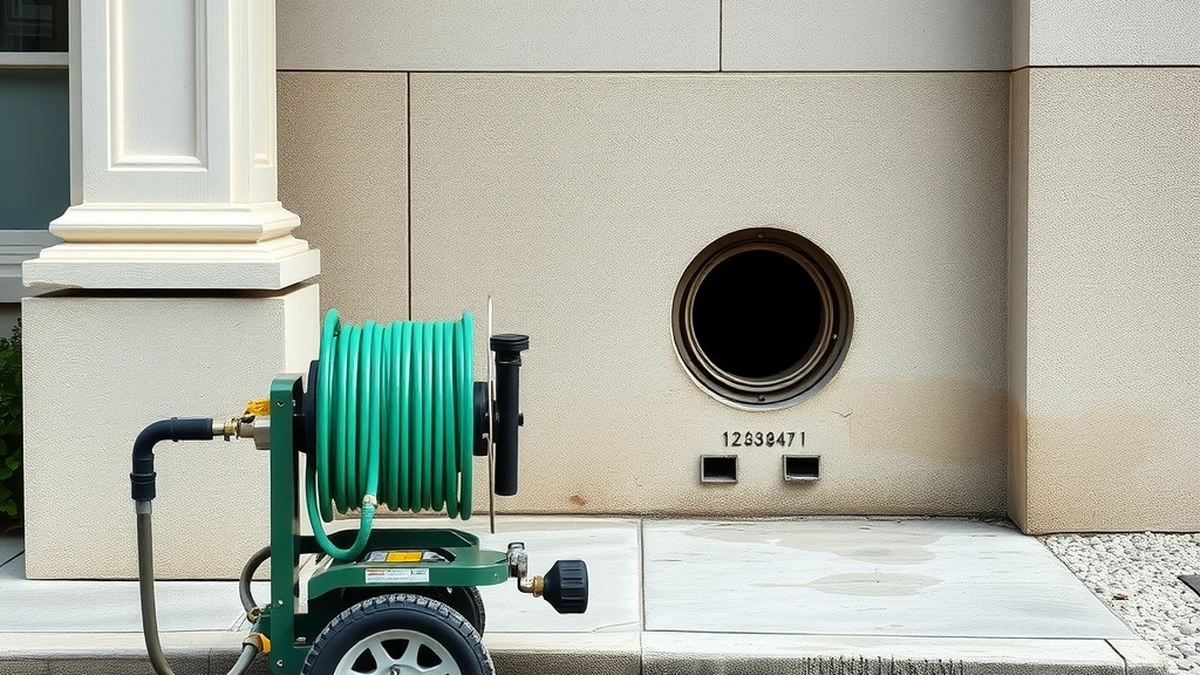
Hydro jetting installation: what happens on site
What a hydro jetting setup involves on a residential job: equipment, access points, pressures, and the cleanout you should install to make it easier next time.
Read the guide →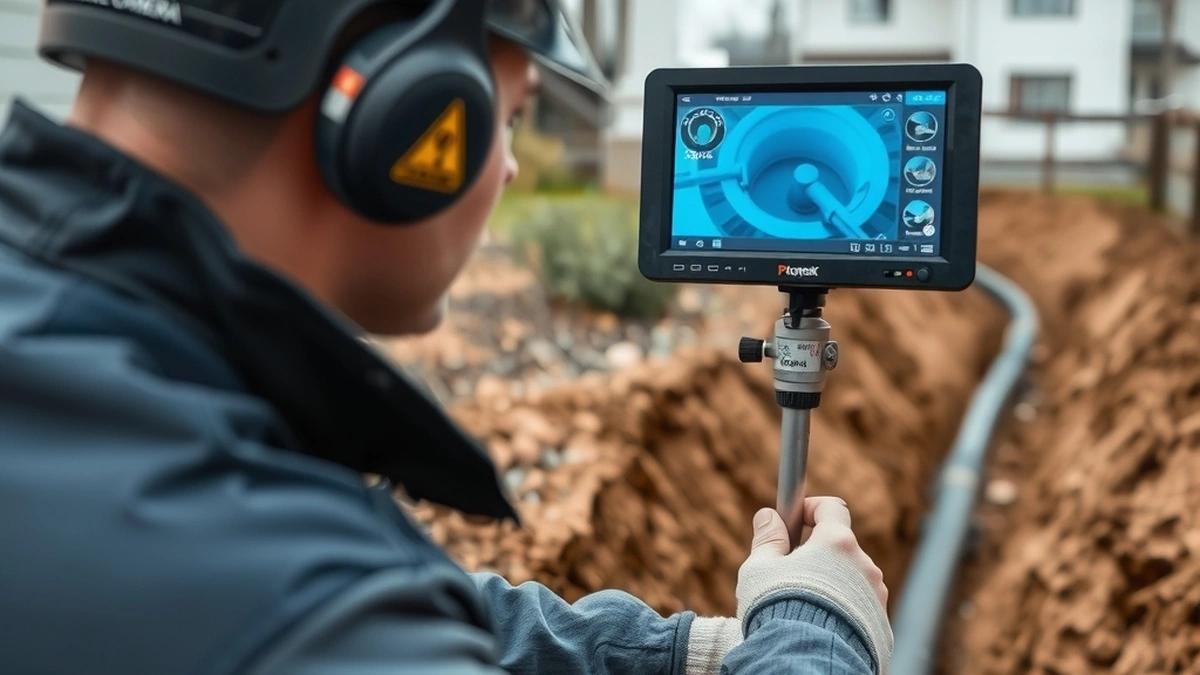
Main Sewage Line Replacement: Costs and Methods
Compare trenchless and open-trench main sewage line replacement costs, permits, and what to expect.
Read the guide →
Pipe bursting installation: pits, pull, and new pipe
How pipe bursting installation works on a house line: two pits, utility locates, a bursting head pulled through the old pipe, fused HDPE behind it, and tests.
Read the guide →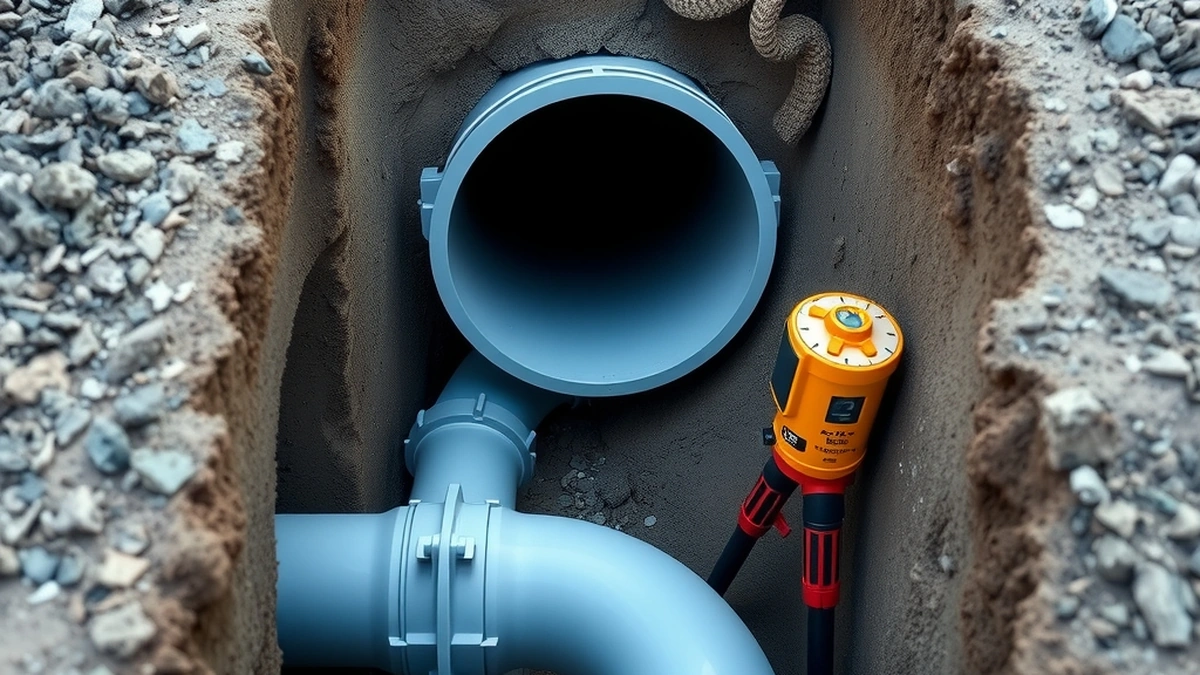
Sewer Line Repair installation: what it involves
What a sewer line installation involves, from permits and locates through excavation, bedding, slope, testing, and restoration, with US cost ranges.
Read the guide →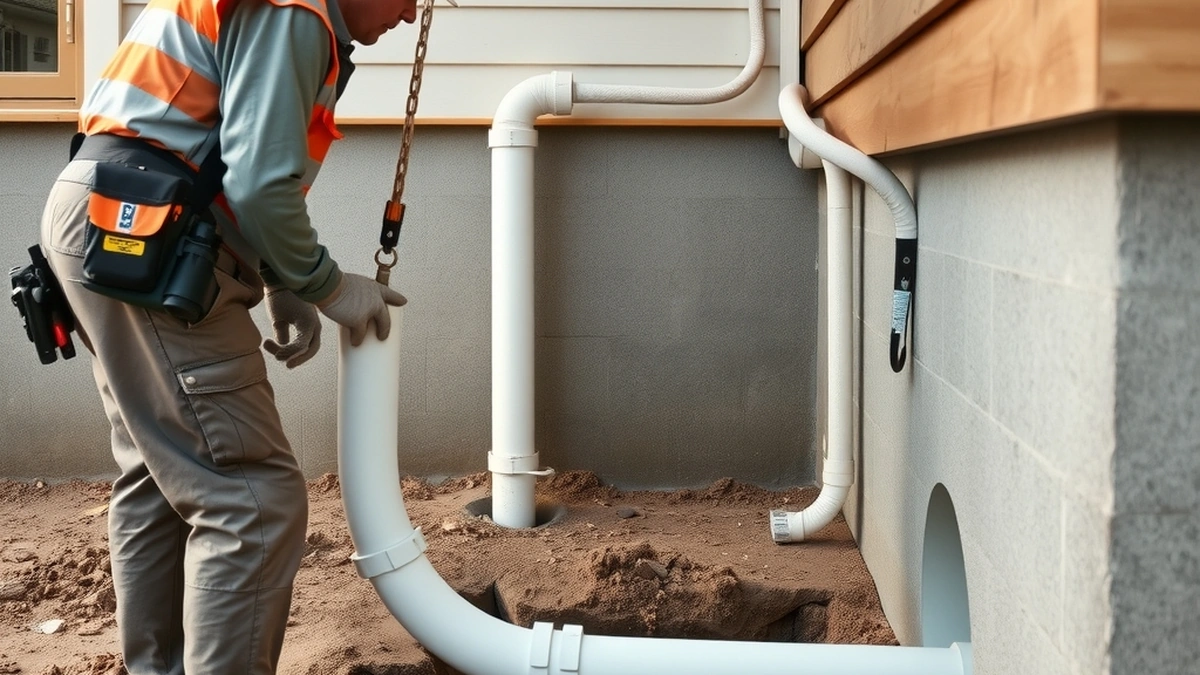
Spot repair installation: what happens on the day
Spot repair installation takes one day for a cut-and-splice or a few hours for a short liner. Here is the sequence, timing, and what to check before backfill.
Read the guide →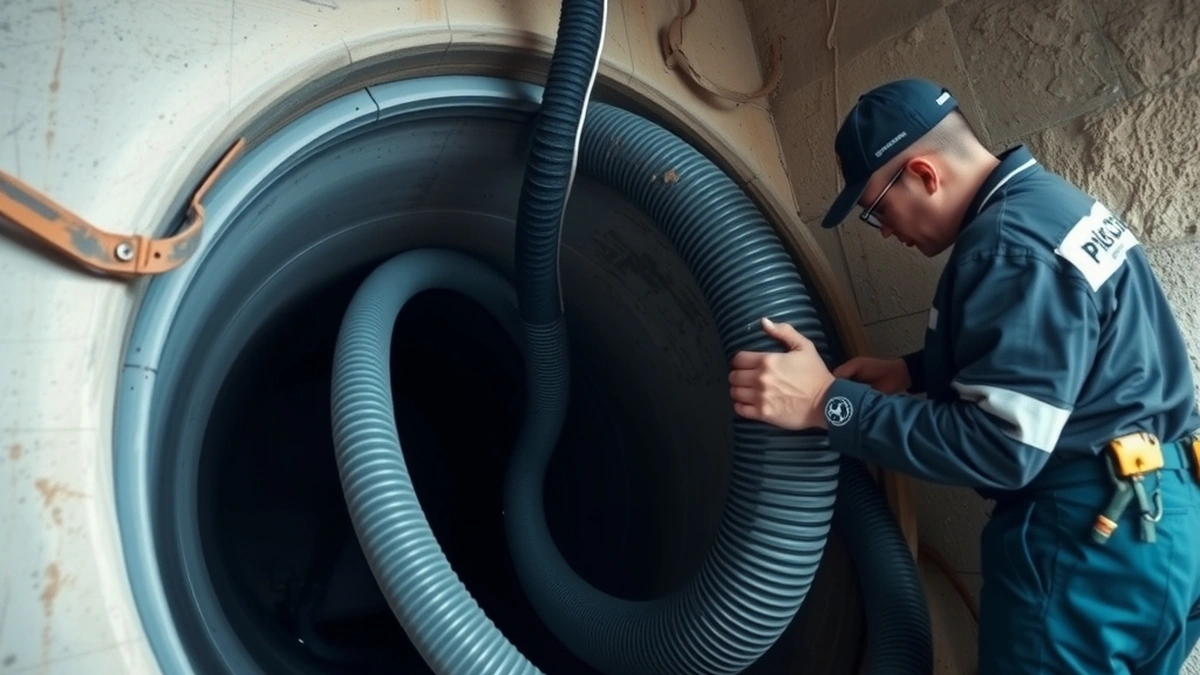
Trenchless lining installation: step by step
How a cured-in-place liner goes in, from the $200 to $500 camera inspection and cleaning through resin wet-out, inversion, cure, and the final camera pass.
Read the guide →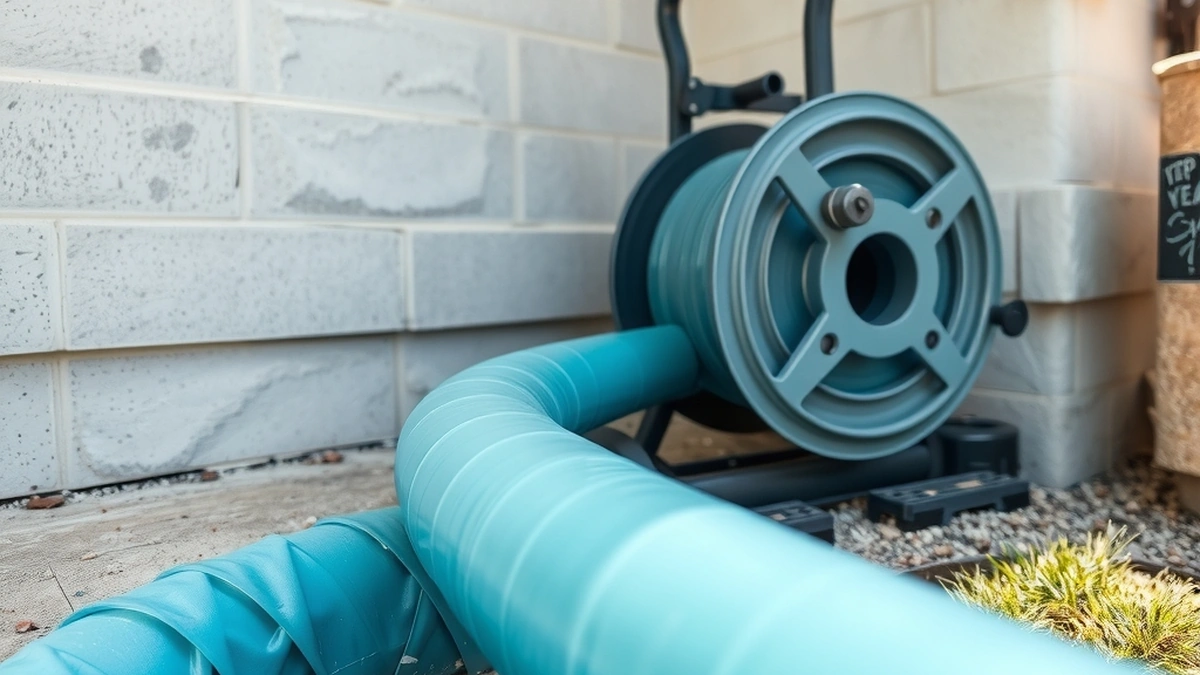
Types of sewer line repair
The five main sewer repair types, spot repair, open trench, cured-in-place lining, pipe bursting, and slip lining, with US costs and which damage each fits.
Read the guide →