Bellied pipe: how to prevent it
A bellied pipe comes from bad bedding, loose backfill, and load over the line. The installation detail and the inspection interval that prevent it.
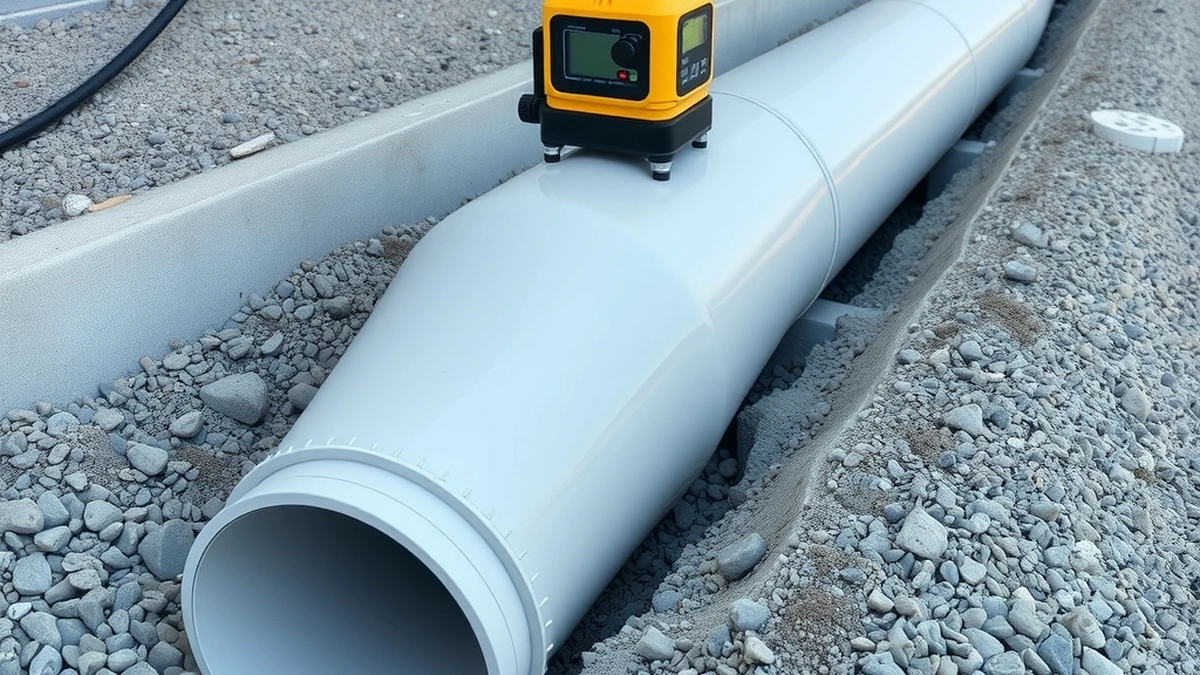
A bellied pipe is prevented by bedding the pipe in compacted gravel, backfilling in lifts, keeping heavy loads off the run, and fixing soil loss early. A camera pass every 18 to 24 months at $200 to $500 catches a sag while it is shallow.
- Camera inspection
- $200–$500
- Hydro jetting
- $300–$800
- Spot re-lay
- $1,500–$5,000
- Full replacement
- $5,000–$15,000
Some links on this page are affiliate links.If you buy through them we may earn a commission at no extra cost to you. We do not accept payment for rankings. Read the full disclosure.
A bellied pipe is prevented by holding the pipe’s support: bed it on compacted gravel, backfill in shallow lifts, keep vehicles and structures off the run, and fix the leaking joints that wash soil away. Most bellies are built in during installation rather than worn in over decades, which is why the detail under the pipe matters more than its age.
What a belly is, physically
A bellied pipe is a section of sewer line that has lost its fall and sagged into a low point, so wastewater stands there instead of draining. Sewer pipe is meant to run at about a quarter inch of fall per foot. A belly is any place where that fall flattens or reverses.
The mechanism is always the same: the soil under the pipe stops supporting it. Either it was never compacted, or it settled, or it was washed out through a joint. Once a span is unsupported, the pipe’s own weight and the load above it bend it down into the void.
Water then stands in the dip, solids settle out, and the line backs up on a repeating cycle. The sag also deepens, because standing water finds the joints and carries more soil away.
The five causes worth knowing
Uncompacted bedding. The classic. Pipe laid on loose fill consolidates under its own load within a few years.
Backfill placed in thick lifts. A trench filled in one pass never compacts at depth, so the whole column settles later.
Leaking joints. Water escaping at a joint erodes the bedding and carries the fines away, leaving a void directly under the pipe.
Surface load. A driveway, an RV pad, a shed, or a dumpster placed over a soft spot adds live load the pipe was never designed to carry.
Trench line drainage. Stormwater running along the disturbed trench backfill can wash out bedding years after the job is closed. Grading the surface away from the line is part of the prevention.
What prevention costs against what repair costs
| Measure | Typical cost | Interval | What it prevents |
|---|---|---|---|
| Camera inspection | $200–$500 | 18–24 months | Finds a shallow sag before it deepens |
| Hydro jetting | $300–$800 | As needed | Solids that signal slow flow in a dip |
| Joint sealing or spot repair | $1,500–$5,000 | Once, when a leak is found | Soil washout under the pipe |
| Lining | $4,000–$12,000 | Once | Joint leakage across a run |
| Full replacement | $5,000–$15,000 | Once | A run with multiple bellies |
Run the arithmetic over six years: three camera passes at $300 is $900, and two jetting visits at $400 is $800. Total $1,700. A single spot re-lay at the low end is $1,500 and at the high end $5,000, so prevention costs about the same as the cheapest repair and a fraction of the dearest. What it buys beyond money is a line that still drains during a holiday weekend.
The installation detail that decides it
If you are having a line installed or replaced, these are the points to check on the day rather than after.
- Confirm the trench bottom is stable native soil, not soft fill, and that any soft spots have been over-excavated and replaced with compacted gravel.
- Ask for the pipe to be bedded in gravel and the haunches under the pipe’s springline filled and tamped, not just the trench floor.
- Require backfill in lifts of about 6 inches with mechanical compaction between lifts, and ask how it is being verified.
- Ask for the grade to be checked with a laser or a transit, and for the readings at both ends of the run in writing.
- If a driveway or patio will sit over the line, confirm the pipe is deep enough and that a load-bearing slab detail is used.
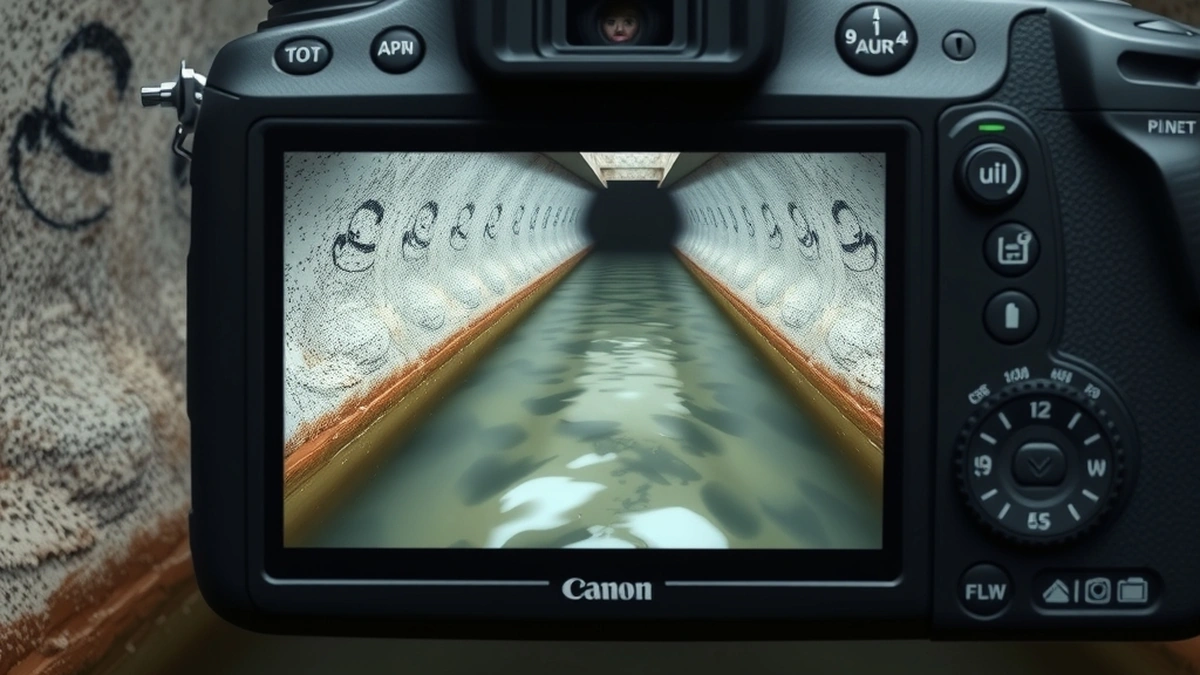
- Request a camera pass and a grade check before the trench is closed, and keep the recording.
That last item is the one that protects you later. A pre-closeout camera pass at $200 to $500 documents the grade while the crew is still on site, when a correction is cheap.
Load rules for the life of the line
The pipe does not care about age. It cares about what sits on it.
Keep vehicles off the line. A car weighs around 4,000 pounds spread over four contact patches, and a loaded dumpster or an RV concentrates far more. If a driveway must cross the run, the pipe should be deeper than the frost line and protected by a slab designed for the load.
Keep structures off it too. A shed, a deck footing, or an addition bearing on the trench backfill loads the pipe indirectly through the soil. If you are building, ask where the line runs before the footings are set.
Keep trees at a distance. Large species within 10 feet of the line are a root risk, and root entry is the first step in joint erosion. Root treatment at $300 to $800 every 12 to 24 months is cheaper than the joint repair that follows.
Catching a sag while it is shallow
A belly in its early stage is almost silent. The camera sees a shallow pool where the rest of the pipe is dry, and the only household symptom is a drain that slows for a day after heavy use.
That is the window worth buying. At that point a spot re-lay is a small, targeted dig at $1,500 to $5,000, and the repair is one section. Two years later the same belly is deeper, the solids have cemented, and the choice is between lining at $4,000 to $12,000 and replacement at $5,000 to $15,000.
The full symptom list is in bellied pipe warning signs, and the repair trade-offs are in bellied pipe repair options. If the camera report instead shows a fold or a crushed wall, the line has gone past sagging and the material in collapsed pipe prevention applies.
When prevention is no longer the question
Once a belly exists, prevention becomes damage control: stop the loads, fix the leaking joints, and keep the dip clear with jetting at $300 to $800 per visit until the re-lay is scheduled.
Do not let a shallow belly sit through a driveway replacement or a landscaping project. Digging once, while the surface is already open, costs far less than digging twice. If the concrete is coming out anyway, the $1,500 to $5,000 re-lay is the cheapest it will ever be.
The short version: compact the bedding, control the load, inspect on a schedule, and fix the joint before it becomes a void. A $300 camera pass every two years is the whole strategy, and sewer line repair maintenance covers the rest of the routine.
Frequently asked questions
How do I stop a sewer pipe from sagging?
Support it properly. Bed the pipe on compacted gravel, backfill in 6-inch lifts with compaction between them, and keep vehicles and structures off the run. Most bellies are installed, not worn in, so the detail matters more than the age.
What causes a bellied sewer line?
Loss of support under the pipe. Bedding that was never compacted, backfill that settles, soil washed out through a leaking joint, or a load placed over a soft spot all let the pipe drop out of grade.
Can a belly be prevented on an existing line?
Only by removing the cause. Stop parking over the run, fix leaking joints that are washing out soil, and keep stormwater away from the trench line. The sag itself needs a re-lay at $1,500 to $5,000 once it forms.
Does compacting the backfill really matter?
It is the single biggest factor. Pipe laid on uncompacted fill drops as the fill consolidates, which is why a new line can belly within a few years while a properly bedded one holds grade for decades.
Should I plant trees near a sewer line?
Keep large species at least 10 feet away. Roots do not push a pipe down, but they enter joints, widen them, and let soil and water escape, which removes the support the pipe is sitting on.
How often should an older line be inspected?
Every 18 to 24 months past 40 years of age, and after any driveway pour, addition, or regrading. A camera pass at $200 to $500 is cheaper than the $1,500 low end of a spot re-lay.
Sources
Some links are affiliate links.If you buy through them we may earn a commission at no extra cost to you. We do not accept payment for rankings. Read the full disclosure.