
Problems guides
What goes wrong for sewer line repair.
Symptoms first, quotes second
Most expensive sewer line repair mistakes start with a symptom described to a salesperson. The table maps the common symptoms to their usual cause — the diagnosis a contractor should confirm before quoting.
| Symptom | Usual cause |
|---|---|
| Root intrusion | Slow drains, backups |
| Collapsed pipe | Repeat backups, sinkholes |
| Bellied pipe | Low spot holding water |
| Offset joints | Roots enter at the joint |
| Sewage backup | Blockage or collapsed line |
| Slow drains everywhere | Main line, not a fixture |
What to document
- Photographs with something for scale, taken at the same angle over time.
- Dates: when it started, whether it changes with weather.
- Water: where it goes, where it pools, what it damages.
- Previous work: who did it, when, and with what material.
What not to do first
Do not accept a repair scope before the cause is named. Patching a symptom is how the same problem returns next season with a bigger invoice. The methods hub explains what each fix addresses; the cost hub shows what it should cost.
When is it an emergency?
When water is entering the structure, when something is structurally unstable, or when a safety system has failed. Everything else can wait for a second opinion.
Should I get an independent inspection?
For anything structural or over about $5,000, yes. A few hundred dollars for an independent report is cheaper than a wrong scope.
All problems guides
Bellied pipe: how to prevent it
A bellied pipe comes from bad bedding, loose backfill, and load over the line. The installation detail and the inspection interval that prevent it.
Read the guide →
Bellied pipe: repair options
A bellied sewer pipe can be spot re-laid, lined, burst, or fully replaced. What each costs, when it works, and why lining cannot fix a sag on its own.
Read the guide →
Bellied pipe: warning signs
A bellied sewer pipe shows as a backup that returns to the same spot, standing water in the cleanout, and a drain that slows after heavy water use.
Read the guide →
Broken Sewer Line Repair: Costs, Signs, and Options
Learn how to identify and fix a broken sewer line with camera inspection, trenchless repair, and replacement cost estimates.
Read the guide →
Collapsed pipe: how to prevent it
A collapsed sewer pipe is preventable with scheduled inspection, root control, and load management. What to spend, what to check, and when prevention fails.
Read the guide →
Collapsed pipe: repair options compared
A collapsed sewer pipe has four realistic fixes from $1,500 to $15,000. Here is what each one does, what the camera must show first, and when digging wins.
Read the guide →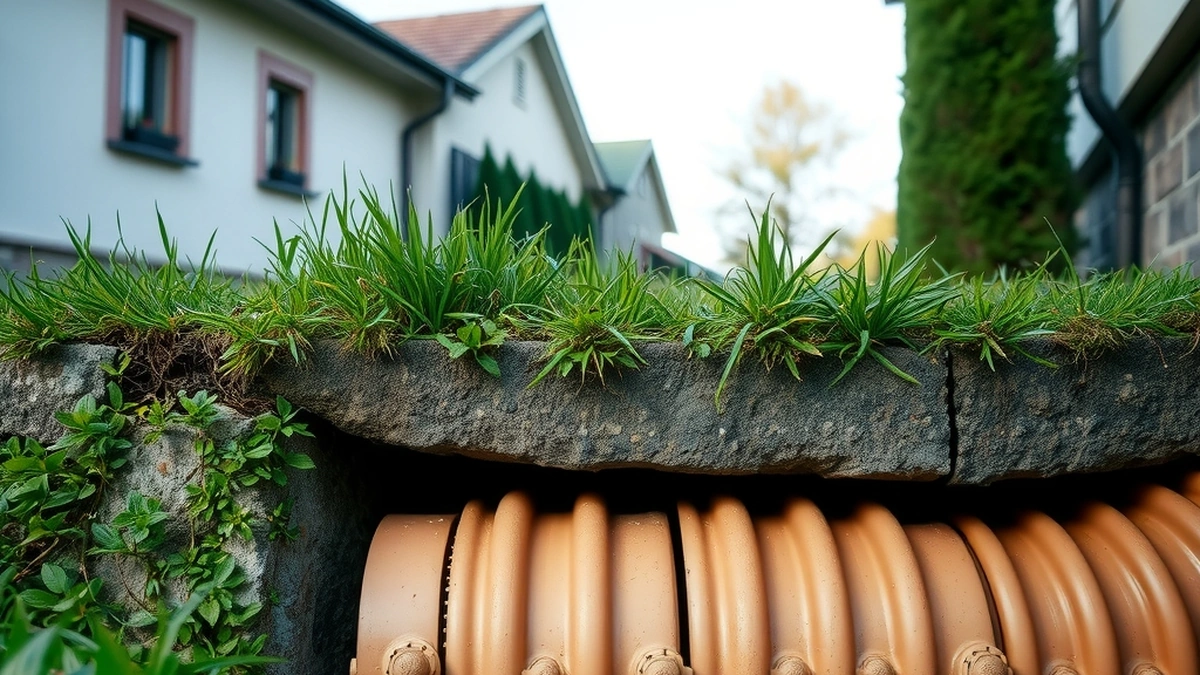
Collapsed pipe: warning signs
Sinkholes, gurgling fixtures, and backups that return after snaking are the pattern of a collapsed sewer pipe. How to read each sign.
Read the guide →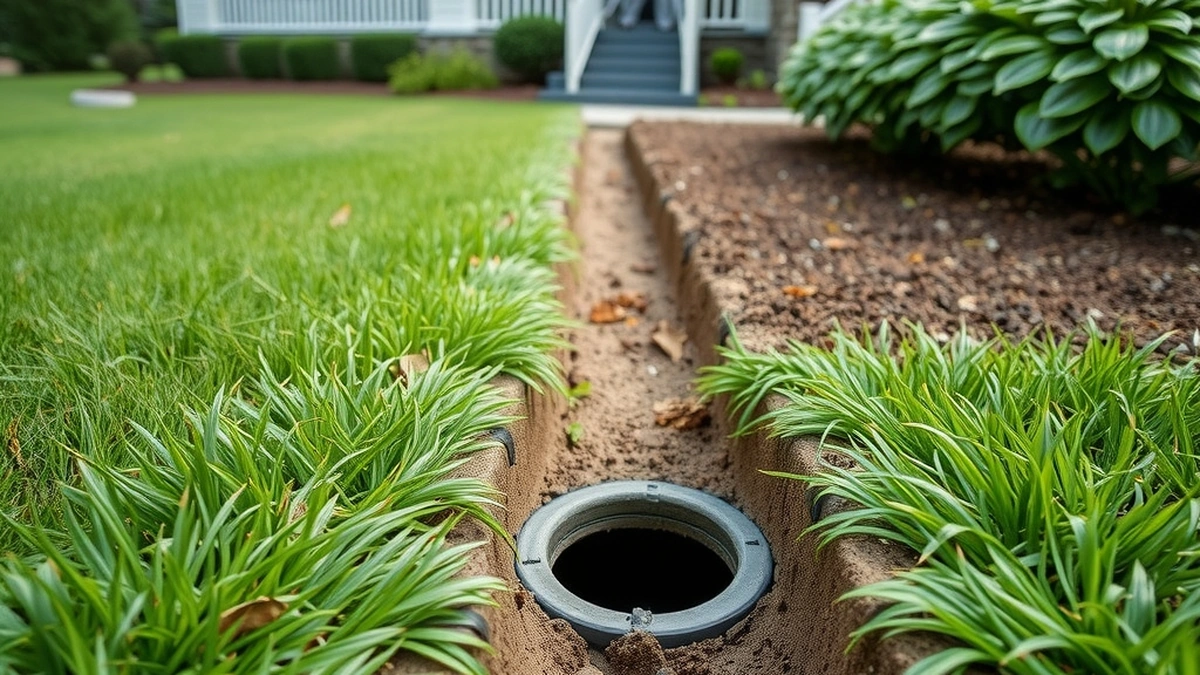
Full replacement maintenance: caring for a new line
A new sewer line needs little upkeep, but the first two years decide if the warranty holds. Here is the settlement check, care calendar, and records to keep.
Read the guide →
Full replacement problems: what goes wrong after the dig
Most full replacement problems come from slope, backfill, utilities, or paperwork. How each one shows up, what it costs to correct, and how to catch it early.
Read the guide →
Hydro jetting maintenance: a realistic schedule
How often to jet a sewer line, what to do between visits, and why annual jetting is the wrong default for most homes. Includes a schedule by situation.
Read the guide →
Hydro jetting problems: what can go wrong
Hydro jetting problems range from a cracked clay pipe to a flooded basement. Here are the eight real failure modes, why they happen, and how to avoid each.
Read the guide →
Offset joints: how to prevent it
Offset sewer joints come from uneven bedding, mismatched couplings, and soil movement. The installation checks and maintenance habits that keep joints aligned.
Read the guide →
Offset joints: repair options
An offset sewer joint can be ground smooth, cut out as a spot repair, lined, or replaced. What each option costs and which offsets are worth fixing at all.
Read the guide →
Offset joints: warning signs
An offset sewer joint shows as a clog that returns at the same footage, a snake that hits a ledge, and roots at one spot. How to read each sign.
Read the guide →
Pipe bursting maintenance after the pull
A new fused HDPE sewer line needs little care, but the connections, the pits, and the grade still need checking. Intervals, costs, and the ten-year arithmetic.
Read the guide →
Pipe bursting problems: what goes wrong underground
Ground heave, utility strikes, stalled pulls, and torn service connections are the pipe bursting problems that matter. Causes, signs, and repair costs.
Read the guide →
Root intrusion: how to prevent it
Six measures that actually reduce root intrusion, ranked by cost and effect, plus the planting distances and pipe materials that make a line root-resistant.
Read the guide →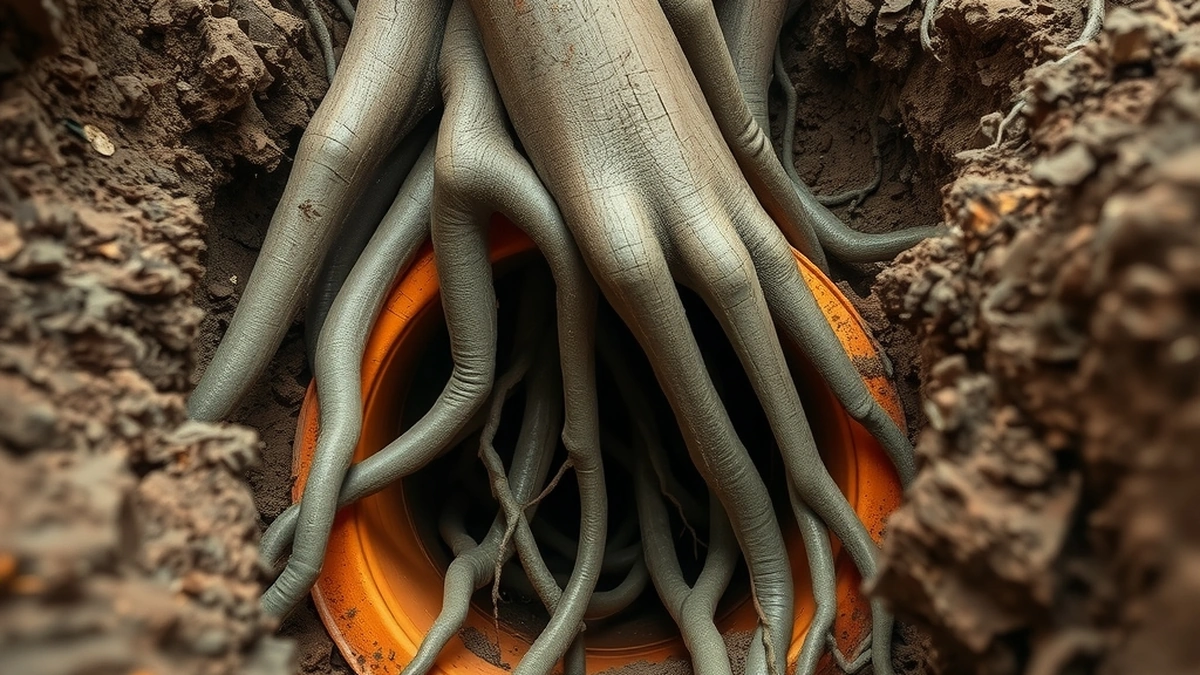
Root intrusion: repair options and what they fix
Four ways to deal with roots in a sewer line, from a $300 to $800 cutting pass to a $12,000 lining job, and how the camera decides between them.
Read the guide →
Root intrusion: warning signs to act on
The eight signs that tree roots are in a sewer line, which ones mean call today, and the $200 to $500 test that confirms it before a backup happens.
Read the guide →
Sewage backup: how to prevent it
Six measures that prevent sewage backups, from a $200 to $500 camera inspection to a backwater valve, with the costs and the order to do them in.
Read the guide →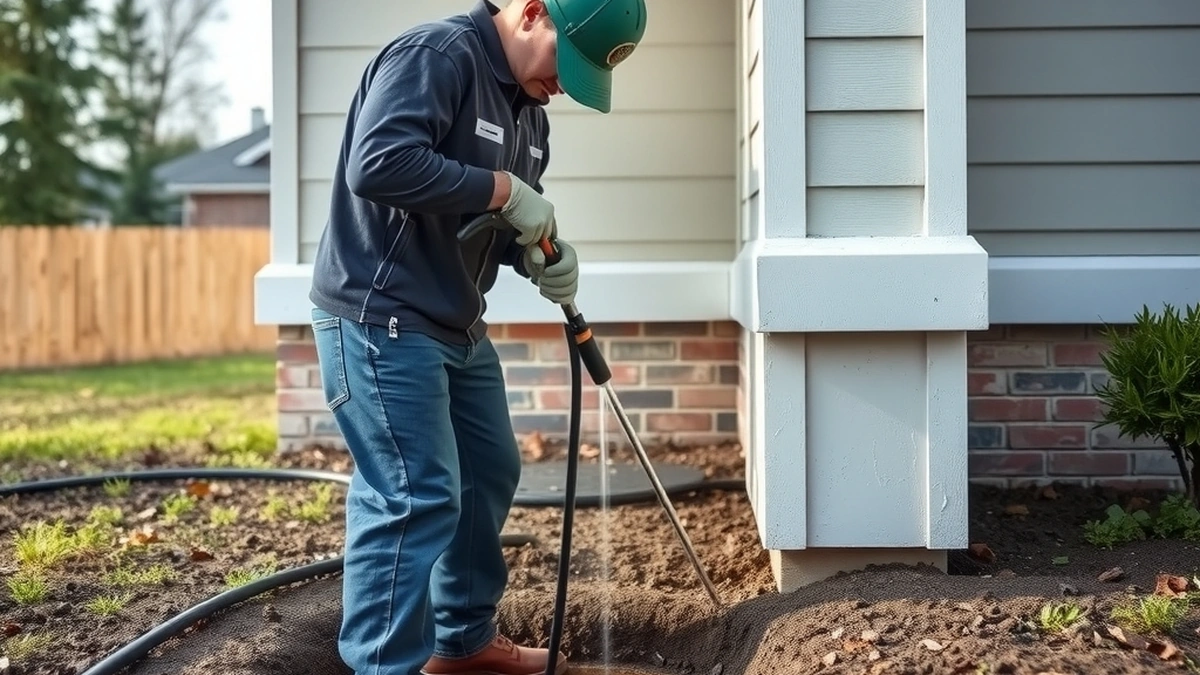
Sewage backup: repair options
Most sewage backups clear with jetting at $300 to $800. If the camera finds a broken pipe, the fix runs $1,500 to $15,000. What each option covers.
Read the guide →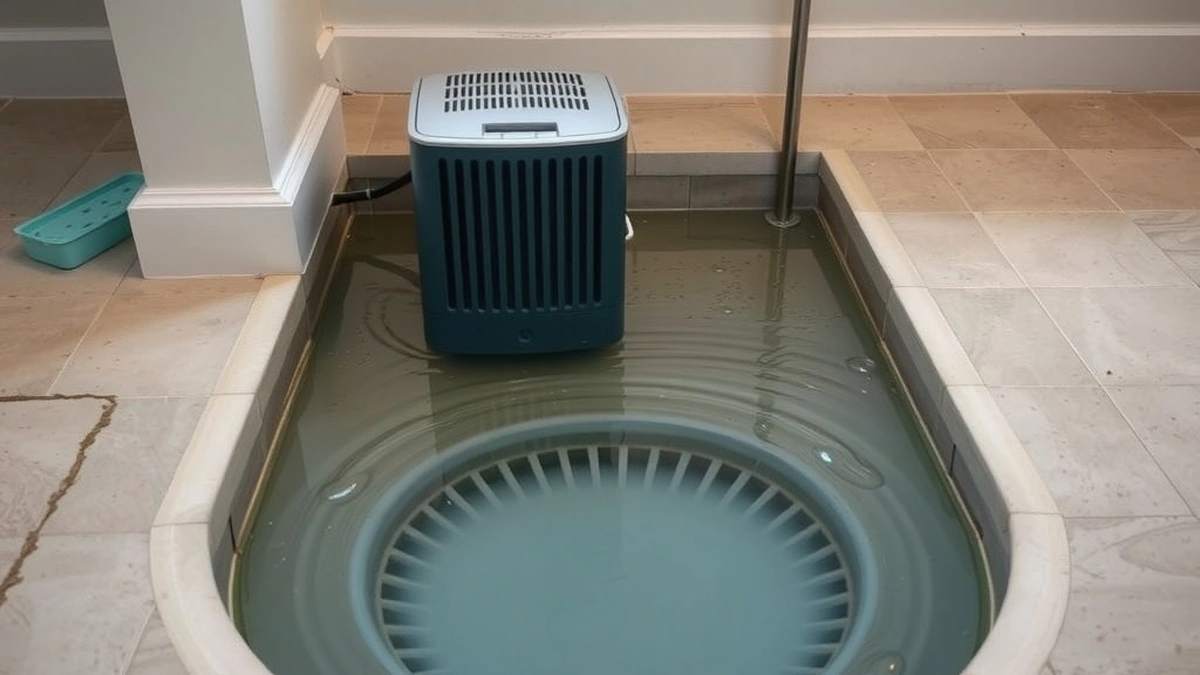
Sewage backup: warning signs and urgency
The eight signs a sewage backup is coming, which mean call today, and what a $200 to $500 camera inspection can catch before a $1,500 emergency.
Read the guide →
Sewer Line Repair maintenance schedule
A practical sewer line maintenance schedule by interval, from monthly drain checks to camera inspections every few years, with US jetting and inspection costs.
Read the guide →
Sewer Line Repair repair: when it is worth it
When repairing a damaged sewer line is worth the money, which camera findings justify a spot fix, and when replacement is the cheaper long-run choice.
Read the guide →
Slow drains everywhere: how to prevent it
Six habits and two inspections that stop a house-wide slow drain, with the cost of each and the maintenance schedule that actually works.
Read the guide →
Slow drains everywhere: repair options
When every drain is slow, the main line is the problem. Four repair paths from a $300 to $800 clear to a $15,000 replacement, chosen by camera result.
Read the guide →
Slow drains everywhere: warning signs
The seven signals that every drain in the house is slowing for the same reason, which point to the main line, and the $200 to $500 test that confirms it.
Read the guide →
Spot repair maintenance: keeping a patch alive
A spot repair needs maintenance at its two new seams. Here is the 30-day check, the yearly routine, and what voids the warranty on a patched sewer line.
Read the guide →
Spot repair problems: why patches fail and what to do
Most spot repair problems trace to a seam, a misread camera, or a host pipe that was already failing. Here is how to tell which one you have and what fixes it.
Read the guide →
Trenchless lining maintenance: the real schedule
A lined sewer needs jetting every one to two years, a camera pass every three to five, and no augers or caustic chemicals. Intervals, costs, and the maths.
Read the guide →
Trenchless lining problems and warning signs
Wrinkles, fins, failed service connections, and short cures are the trenchless lining problems that surface after the crew leaves. How to spot and price them.
Read the guide →