Slow drains everywhere: how to prevent it
Six habits and two inspections that stop a house-wide slow drain, with the cost of each and the maintenance schedule that actually works.
Prevent house-wide slow drains by keeping grease and wipes out of the line, using strainers, and inspecting with a camera every two to three years at $200 to $500. Most main-line blockages build up over years, so the habits matter more than any single product.
- Camera inspection
- $200 - $500
- Hydro jet
- $300 - $800
- Inspection interval
- 2 - 3 years
- Strainer cost
- $10 - $40
Some links on this page are affiliate links.If you buy through them we may earn a commission at no extra cost to you. We do not accept payment for rankings. Read the full disclosure.
Slow drains everywhere are almost always the result of years of accumulation, not one bad week. Prevention is therefore mostly habit: grease in a jar, wipes in the bin, strainers in every drain, and a camera inspection at $200 to $500 every two to three years. A hydro jet at $300 to $800 when the camera shows buildup costs far less than the repair a neglected line eventually needs.
What actually blocks a main line
Four materials account for most house-wide blockages, and each has a different prevention.
Grease. Cooking fat is liquid when hot and solid when cool. It coats the pipe wall in layers. A tablespoon a day is roughly 6 quarts a year, and none of it travels.
Wipes and paper products. Even products labelled flushable do not disperse like toilet paper. They snag on roots and joint offsets and form a mat that catches everything else.
Roots. They enter through joints and cracks, not through sound pipe. Prevention means either keeping trees away from a new line or sealing an old one.
Solids in a belly. A sagging section holds water and lets solids settle. No habit prevents this; only a repair does.
The first two are habits. The third and fourth are camera findings. That split is the entire prevention plan.
The habits, ranked by effect
| Habit | Cost | Prevents | Effort |
|---|---|---|---|
| Grease in a container | $0 | Grease layers | Daily |
| No wipes, ever | $0 | Mat formation | Daily |
| Strainers in every drain | $10 - $40 each | Hair and food | Once |
| Paper towels out of the toilet | $0 | Blockages | Daily |
| Camera every 2 - 3 years | $200 - $500 | Defect surprises | Booking |
| Jetting on camera findings | $300 - $800 | Buildup | Occasional |
The top four are free or nearly free, and they prevent the majority of blockages. The last two are the professional layer.
Why “flushable” is not a safe word
A wipe labelled flushable passes a basic clearance test: it will move through a toilet trap. That is the entire standard in most markets. It says nothing about whether it will break apart in a sewer lateral over 20 feet, around two bends, at low flow.
In practice, wipes collect at the first obstruction and bind with grease and hair. A single wipe rarely blocks a line. A hundred wipes over a year, caught at a root, will.
The same applies to paper towels, cotton swabs, dental floss and cat litter. None belong in a drain.
The inspection interval
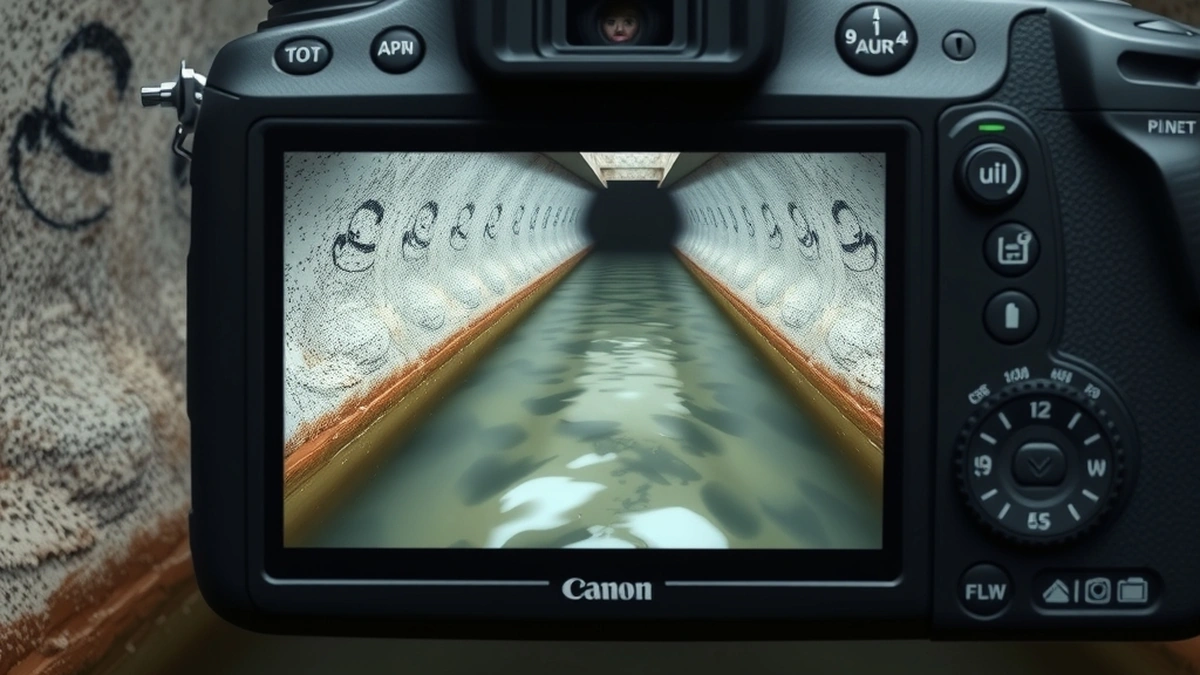
Two to three years is the sensible default for a house with a mature line. The inspection produces a record, and the record is what makes the next one useful.
| Situation | Interval |
|---|---|
| New PVC line, no trees | 5 years |
| 1980s or 1990s plastic, few trees | 3 years |
| Clay or cast iron, 30+ years | 2 years |
| Any line with a prior blockage | 1 - 2 years |
| After any repair | 1 year, then 2 - 3 |
The value is in comparison. An inspection that shows a joint opening from 2 mm to 6 mm over three years is a joint to repair. The same 6 mm with no history might be watched for another cycle.
What the maintenance actually costs
- Camera every 3 years at $350 = $117 a year.
- Occasional jet at $500 every 4 years = $125 a year.
- Total: $242 a year.
Set that against the alternative:
- One emergency clear at $900.
- One cleanup at $2,500 after a backup.
- One spot repair at $2,600.
- Total: $6,000 for a single bad event.
The preventive program costs less in a decade than one backup event. That is the entire argument, and it does not depend on speculative savings.
The repair options if prevention has already failed are in slow drains everywhere repair, and the emergency pricing is in sewage backup cost.
Seasonal maintenance worth doing
Spring. Check the cleanout after the thaw. If the line backed up or ran slow during snowmelt, that is infiltration showing itself.
Autumn. Do not put leaves, garden waste or cooking oil from holiday preparations down the drain. Both peak in the same months.
Before a holiday gathering. Run water while cooking and use a strainer. Most residential backups in the US cluster around Thanksgiving, Christmas and New Year, and the cause is usually grease plus volume.
Before a long absence. Nothing to do specifically, but know where the cleanout is before you leave, in case a housesitter has to call someone.
What does not work
Chemical drain cleaners. Caustic products can soften older fittings and sit in the line without clearing a main-line obstruction. They also create a hazard for whoever opens the cleanout next.
Boiling water. It melts a little grease at the fixture. It does not reach a blockage 40 feet down the lateral.
Enzyme treatments. Useful for keeping a clean line clean, useless on roots or a belly. Treat them as a supplement.
Plunging a fixture that backs up when another drains. The pressure goes into the branch, not the blockage.
A five-step prevention routine
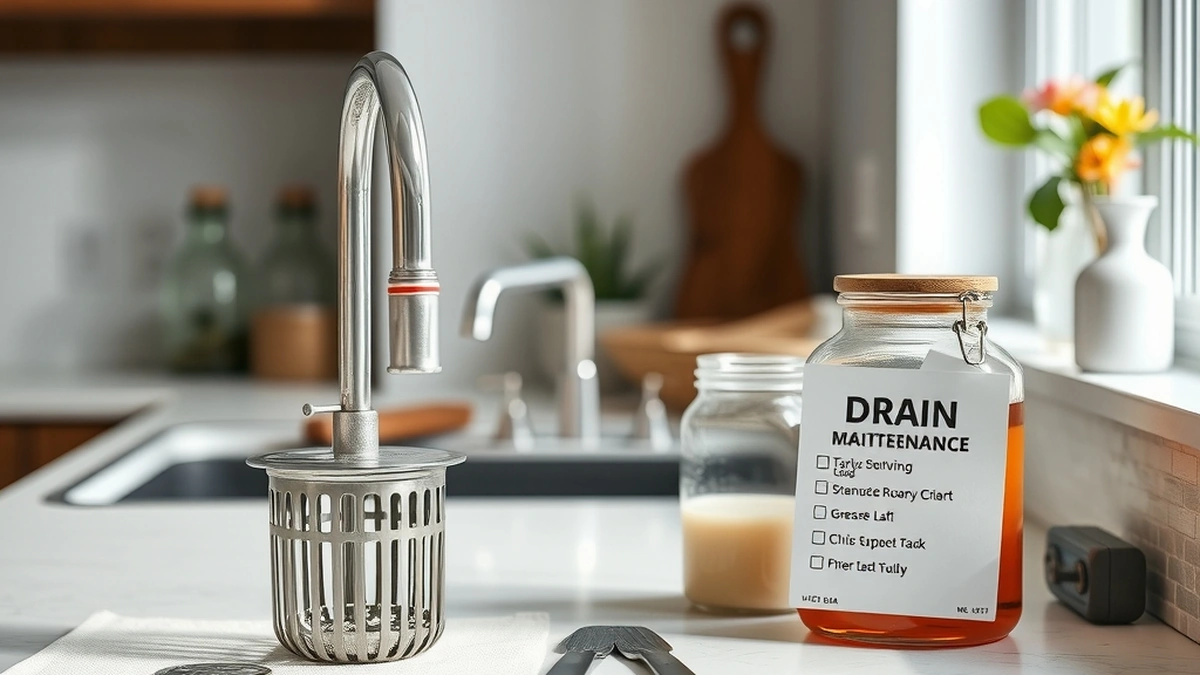
- Put a strainer in every drain at $10 to $40 each.
- Keep grease in a jar and wipes in the bin, with no exceptions.
- Book a camera inspection at $200 to $500 and keep the video file.
- Jet at $300 to $800 only if the camera shows buildup.
- Re-inspect every 2 to 3 years and compare with the earlier recording.
For the warning signs that prevention is slipping, see slow drains everywhere warning signs, and for the cost of each path, slow drains everywhere cost. The general maintenance schedule is in sewer line repair maintenance.
Frequently asked questions
How do I stop all my drains from getting slow?
Keep grease, wipes and hair out of the system, use strainers, and have the line inspected every two to three years. Most main-line blockages accumulate slowly, so daily habits decide the outcome.
Does boiling water down the drain help?
It can melt a little grease in a branch line, but it does not reach a main-line blockage 40 feet away. It is not a substitute for keeping grease out in the first place.
Are enzyme drain treatments worth it?
They digest some grease and organic film, and they are harmless in normal use. They will not clear roots or fix a sagging pipe, and they are not a substitute for inspection.
How often should a main line be jetted?
Only when the camera shows a reason. A high-risk line with grease or trees may need it every 12 to 24 months. A sound PVC line rarely needs it at all.
Do strainers really make a difference?
Yes, at the fixture level. Hair and food are the two most common causes of a branch blockage, and a $10 to $40 strainer catches both before they enter the pipe.
What is the first sign that prevention is failing?
Two or more fixtures draining slowly at once. That is the main line showing a partial blockage, and it is the cheapest moment to book a camera.
Sources
Some links are affiliate links.If you buy through them we may earn a commission at no extra cost to you. We do not accept payment for rankings. Read the full disclosure.