Full replacement maintenance: caring for a new line
A new sewer line needs little upkeep, but the first two years decide if the warranty holds. Here is the settlement check, care calendar, and records to keep.
Full replacement maintenance is light: watch for settlement in the first year, camera the line at 12 and 36 months, keep roots out, avoid planting trees over the route, and keep the inspection card and video file. Those records keep the warranty usable and the house sellable.
- First camera check
- 12 months
- Second check
- 36 months
- Inspection cost
- $200 - $500
- New line life
- 50+ years for PVC
Some links on this page are affiliate links.If you buy through them we may earn a commission at no extra cost to you. We do not accept payment for rankings. Read the full disclosure.
Full replacement maintenance is mostly record keeping and one camera pass. The new pipe will outlive the mortgage if it was bedded correctly, and nothing you pour down the drain changes that. What does change is whether the warranty is still usable when something does go wrong, and that is decided in the first two years.
What a new line needs, and what it does not
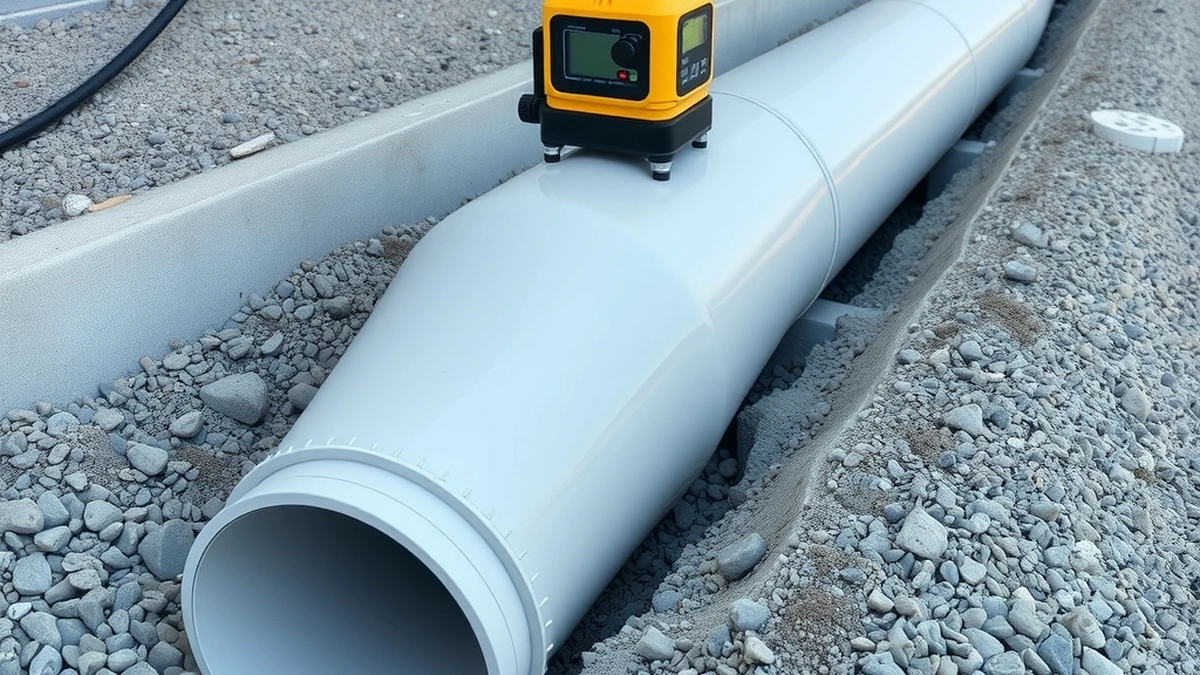
Full replacement installs a new pipe from the house to the municipal main, so there is no old pipe left to fail and no liner to debond. The maintenance surface is the trench, the connections, and the landscaping above it.
You do not need to flush the line with anything, treat it with chemicals, or have it jetted on a schedule. You do need to watch the ground settle, keep roots from finding the new joints, and keep the paperwork that proves the work was done and inspected.
The first year
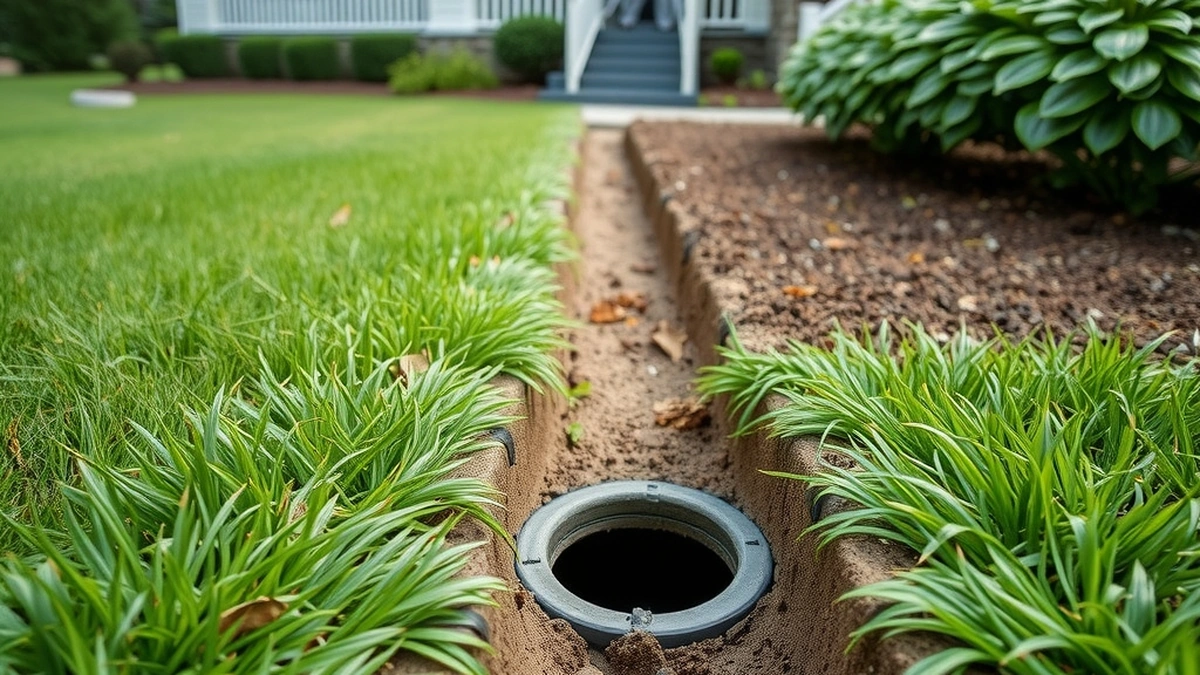
The first wet season after a replacement is when backfill consolidates. Some settling is normal and expected. A dip of an inch or two in a lawn is cosmetic; a trench line that stays sunken, or a crack in a slab above it, is not.
Walk the route after the first heavy rain and again after the first freeze and thaw. Look for a visible depression, a strip of grass that stays greener than the rest, or water that stands where it did not before.
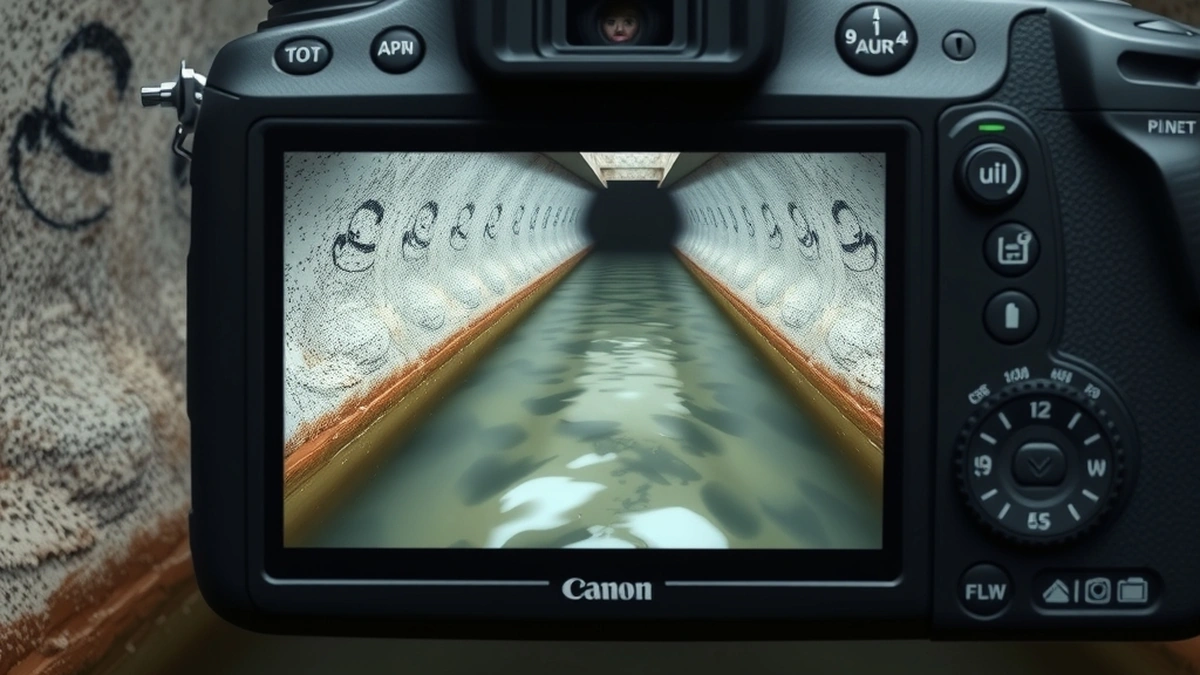
At 12 months, camera the line at $200 to $500. You are checking for a sag, a joint that has opened, and debris left from construction. Compare the recording with the one the contractor made at completion. If they differ, you have a warranty conversation with evidence, and evidence is what makes a contractor respond.
A care calendar
| Interval | Task | Cost |
|---|---|---|
| After first heavy rain | Walk the route, check for dips | None |
| Monthly | Flush with a full tub of hot water | None |
| Yearly | Root treatment if trees are within 20 feet | $30 - $150 |
| 12 months | Camera inspection and compare with day-one file | $200 - $500 |
| 36 months | Second camera inspection | $200 - $500 |
| Every 5 years | Jetting if the line serves a kitchen-heavy household | $300 - $800 |
The two camera passes are the whole program. Everything else is habit.
What voids a new-line warranty
Workmanship warranties on a replacement commonly run one to five years, and the pipe carries a manufacturer warranty measured in decades. Both are narrower than homeowners expect.
| Exclusion | What it means |
|---|---|
| Work by another contractor on the line | Any cabling or excavation by a third party can end coverage |
| Root intrusion | The pipe is not warrantied against roots entering at joints |
| Grease, wipes, or foreign objects | Blockages from use are not defects |
| Chemical drain cleaners | Caustic products are excluded by most workmanship terms |
| Failure to report within the warranty period | A problem documented after expiry is not covered |
| Damage from vehicles or construction above | Loading the trench is the homeowner’s risk |
The fourth line catches people. A caustic drain opener poured on a slow drain can damage a joint and give the contractor a reason to decline the claim, whether or not the chemical caused the problem.
Landscaping over the route
Roots enter joints, and a new line has joints at every fitting and connection. Pipe material does not change that, because roots exploit the seam, not the wall.
Keep trees at least 10 feet from the route, and larger species at 20 feet or more. Willows, maples, and poplars are the usual offenders because they seek water aggressively. Shallow-rooted shrubs and perennials are fine a few feet away.
If you are planting a garden bed over the trench, keep it shallow. Deep digging over a line 3 feet down is unlikely to reach the pipe, but augering a fence post through it is a real and common failure.
Records that matter later
Four documents make a replacement defensible at resale and useful in a warranty claim:
- The municipal inspection card, signed
- The pre-work camera file and the post-work camera file
- The permit number and the contractor’s license number
- The warranty document, with the start date and the exclusions
Keep them with the house documents, not in a drawer with receipts. A buyer’s inspector will camera the line, and a seller who can produce a two-year-old recording of a clean new pipe ends that conversation quickly.
The arithmetic of upkeep
Two camera passes at $350 each over three years is $700, or about $233 a year. Root treatment at $90 a year adds a little.
A correction after backfill runs $3,000 to $6,000, and a full redo runs $5,000 to $15,000. The upkeep is roughly 5 percent of the correction cost per year, and it is the only thing that turns a silent failure into a warranty claim.
What to do next
- Walk the trench line after the first heavy rain and photograph anything that looks sunken.
- Book the 12-month camera pass now, while the contractor still remembers the job.
- Confirm the warranty start date and the exclusions in writing, and file them with the permit.
- Set a yearly root treatment date if any tree is within 20 feet of the route.
- Stop using caustic drain cleaner and clear slow drains mechanically instead.
- Re-camera at 36 months and keep every file in one folder.
For how the line was built, full replacement installation covers the sequence. For what the work should have cost, full replacement cost has the bands, and full replacement problems lists the failures this maintenance is designed to catch early.
Frequently asked questions
What maintenance does a new sewer line need?
Settlement checks in the first year, a camera pass at 12 and 36 months, root control if trees are near the route, and keeping grease and wipes out of the drain. The pipe itself needs no service.
How soon can I use the new sewer line?
As soon as the contractor completes the connection and tests it, usually the same day. Concrete restoration over the trench needs 24 to 72 hours before traffic, depending on the mix and weather.
Can I plant trees over a new sewer line?
Small, shallow-rooted plants are fine a few feet away. Trees should stay at least 10 feet from the route, and larger species 20 feet or more, because roots find joints regardless of pipe material.
Does a new sewer line have a warranty?
Workmanship is commonly warranted for one to five years and the pipe material for decades. The warranty usually requires that no other contractor works on the line and that the homeowner does not cause blockages.
Why does the ground dip over my new sewer line?
Backfill settles as it consolidates, especially in the first wet season. A small dip is normal and can be top-dressed; a deep trench line or a crack in a slab above it needs the contractor back.
Should I camera a brand new sewer line?
Yes, at 12 months. The first year is when settlement shows, and a $200 to $500 pass then is far cheaper than discovering a sag after the warranty has narrowed.
Sources
Some links are affiliate links.If you buy through them we may earn a commission at no extra cost to you. We do not accept payment for rankings. Read the full disclosure.