Full replacement vs hydro jetting
Jetting costs $300 to $800 and fixes flow; replacement costs $5,000 to $15,000 and fixes the pipe. The ten-line test that tells which one you need.
Hydro jetting clears a sound sewer line for $300 to $800 and full replacement installs new pipe for $5,000 to $15,000. Replacement is the right purchase when the pipe has collapsed, lost grade, is Orangeburg or undersized, or has failed at three or more points.
- Hydro jetting
- $300 - $800
- Full replacement
- $5,000 - $15,000
- Camera inspection
- $200 - $500
- Replacement life
- 50 - 100 years
Some links on this page are affiliate links.If you buy through them we may earn a commission at no extra cost to you. We do not accept payment for rankings. Read the full disclosure.
Hydro jetting costs $300 to $800 and restores flow in a pipe that is structurally sound. Full replacement costs $5,000 to $15,000 and installs new pipe that will outlast the mortgage. The decision is not about budget preference; it is about whether the pipe has failed. A camera inspection at $200 to $500 answers that in about twenty minutes, and it is the only thing that keeps this comparison from being a guess.
What each purchase delivers
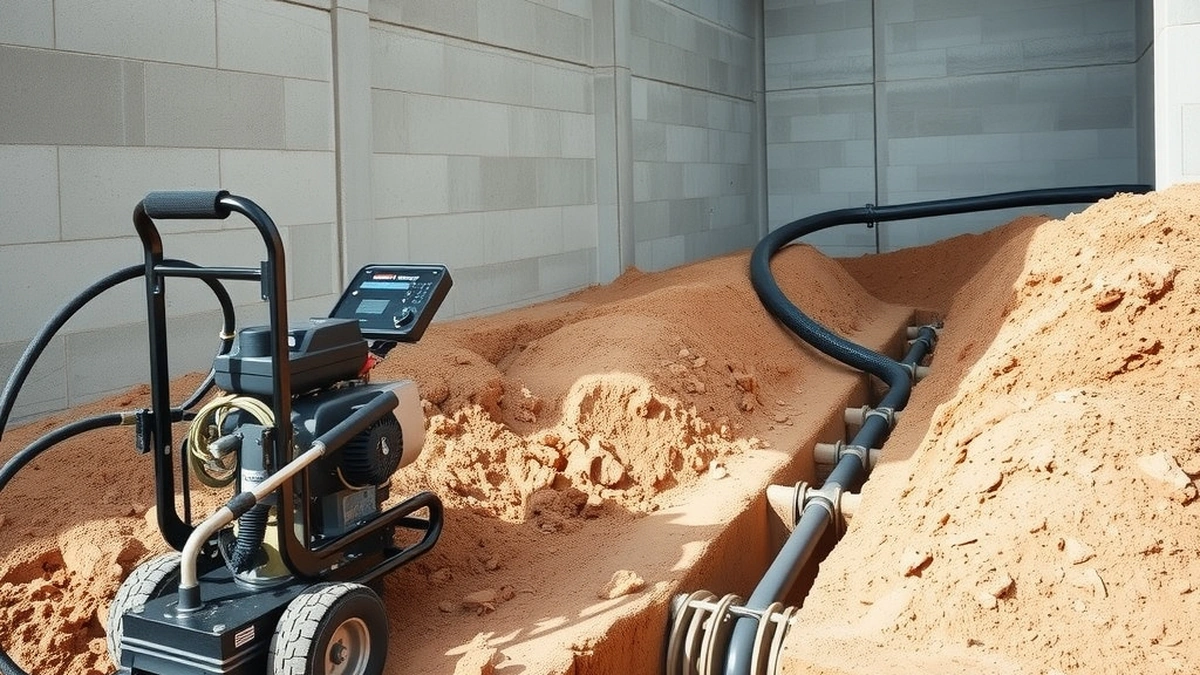
Hydro jetting scours grease, sludge, scale and loose roots off the pipe wall at 3,000 to 4,000 psi. It does not change the pipe.
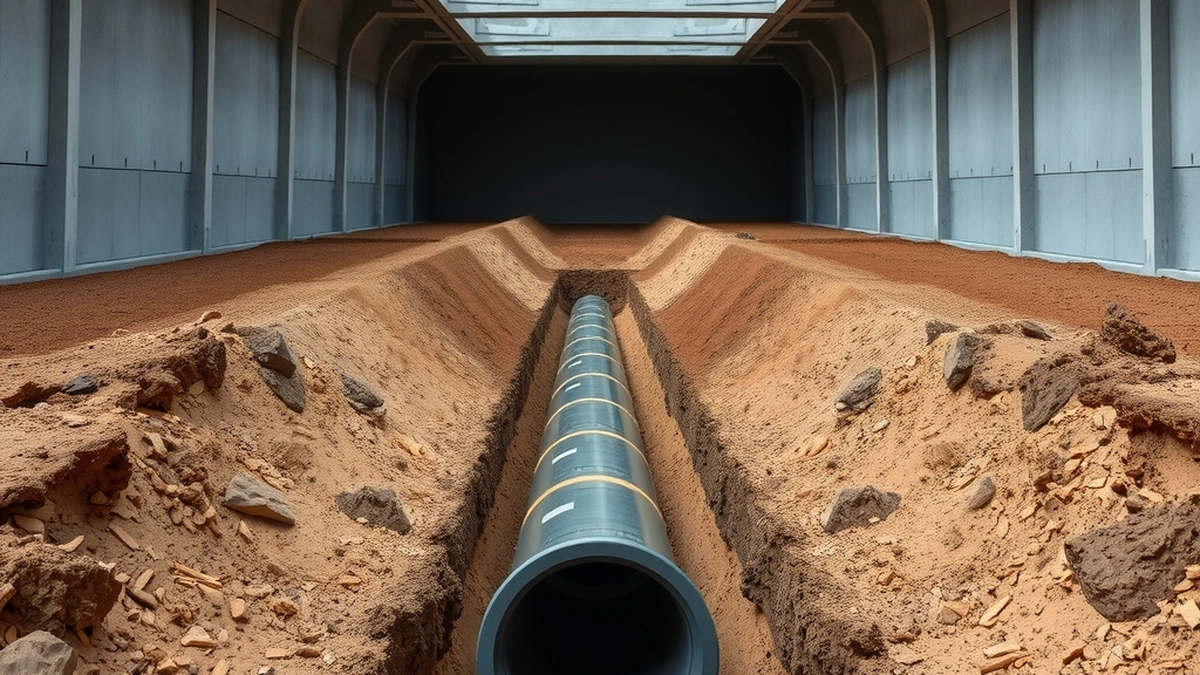
Full replacement removes or displaces the old pipe and installs new PVC or HDPE. It changes everything: material, joints, capacity, and in the open-trench version, the slope.
One buys time. One buys a new line.
Side by side
| Factor | Hydro jetting | Full replacement |
|---|---|---|
| Cost | $300 - $800 | $5,000 - $15,000 |
| Duration | 1 - 2 hours | 1 - 3 days |
| Excavation | None | Trench or two pits |
| Fixes blockage | Yes | Yes |
| Fixes collapse | No | Yes |
| Fixes sag | No | Yes, open trench |
| Fixes undersizing | No | Yes |
| Fixes Orangeburg | No | Yes |
| Repeat interval | 6 - 24 months | 50 - 100 years |
| Surface disturbed | None | Trench or pits |
Five rows decide almost every case. If the answer to any of “collapse, sag, undersized, Orangeburg, three or more failures” is yes, jetting is a stopgap and replacement is the answer.
When jetting is the correct purchase
Jetting is right when the camera shows a sound wall with soft contents.
- Grease and sludge in a kitchen line
- Fine roots at tight joints
- Scale in a hard-water area
- A single soft blockage from wipes
The economics are clear at this end: $500 against $11,000 for a pipe that does not need replacing. Jetting is also the correct maintenance purchase on a line that has already been lined, at reduced pressure.
When replacement is the correct purchase
Replacement is right when the pipe cannot be cleaned into working order.
Collapse. There is no bore to clean. Sag. Water stands, and cleaning will not change the slope. Orangeburg. The material deforms and crumbles; pressure can make it worse. Undersizing. A 4-inch line serving three bathrooms will keep backing up regardless of cleanliness. Widespread failure. Three or more defects on one run is a countdown, not a series of accidents.
The arithmetic over ten years
Take a 70-foot clay line with root intrusion at three joints and a slight sag.
Path A — keep jetting:
- Two visits a year at $550 = $1,100 a year
- Ten years = $11,000
- Plus two emergency call-outs at $900 = $1,800
- Total: $12,800, with the same pipe at the end
Path B — replace once:
- Bursting at $10,800 plus two pits at $400 = $11,600
- Total: $11,600, with a new 50-year pipe
The replacement is cheaper over the decade and ends the cycle. The comparison only works over a long horizon, which is why the honest advice depends on how long you intend to stay.
Path C — the single-defect case:
- One jet at $500 now, one every two years = $2,500 over ten years
- Spot repair at $2,900 once
- The spot repair is cheaper, and neither approaches $11,600
That third path is the one most homeowners are actually on, and it is why jetting is not a waste of money in general. It is a waste of money on a failed pipe.
What the camera must show
Before either purchase, the recording should answer:
- Is the bore continuous, or is there a collapse?
- Is water standing anywhere?
- What is the pipe material, and is it Orangeburg?
- What is the internal diameter, and is it adequate?
- How many defects are there, and where?
A contractor who cannot answer those five from a recording is guessing. Ask for the file, and keep it.
How to decide, step by step
- Book a camera inspection at $200 to $500 and ask for the recording.
- Ask whether the pipe is structurally sound and what specific defects exist.
- If sound: jet at $300 to $800, re-inspect, and set an inspection interval.
- If failed at one point: price a spot repair at $1,500 to $5,000.
- If failed broadly or sagging: price replacement at $5,000 to $15,000, both bursting and open trench.
- Compare ten-year costs, not first-year costs.
The pricing detail is in hydro jetting cost and full replacement cost. For the methods of replacement, see pipe bursting vs full replacement, and for the case where only one section has failed, spot repair vs full replacement.
The honest summary
Jetting is not a lesser product. It is the correct product for a working pipe that has collected material. Replacement is not an upsell. It is the correct product for a pipe that has stopped being a pipe.
The mistake in both directions is expensive: $11,000 spent on a sound line, or $500 spent three times on a line that has already collapsed.
One practical test before you commit: ask what the line will look like in ten years under each option. Jetting leaves you with the same pipe and an unknown remaining life. Replacement gives you a dated installation and a material warranty. If the answer to “what will this look like in ten years” is “the same as today but older,” that is a maintenance purchase, and it should be priced accordingly rather than sold as a fix.
The same question applies to the contractor. A company that offers both services and recommends based on the recording is easier to trust than one that only sells replacement, or only sells cleaning. Ask what they would do if it were their house, and whether they would put the recommendation in writing with the footage attached.
Frequently asked questions
Should I jet or replace my sewer line?
Jet if the pipe is sound and only blocked. Replace if it has collapsed, lost grade, is Orangeburg pipe, is undersized, or has failed at three or more points along the run.
Is jetting ever a waste of money?
Yes, on a pipe that has collapsed or is structurally failing. It restores flow briefly and leaves the defect, so the money is spent again within months.
How much does full replacement cost?
Typically $5,000 to $15,000, depending on length, depth, method and surface restoration. Pipe bursting avoids most restoration by using two small pits.
How long does a new sewer line last?
Fifty to a hundred years for PVC or HDPE installed to code. That is why replacement, when it is justified, is usually the last time the job is done.
Can jetting damage a pipe that needs replacing?
It can accelerate the failure. High pressure on a collapsed or Orangeburg line can worsen the damage, which is why a camera inspection comes before jetting on any suspect line.
What if only one section has failed?
Then a spot repair at $1,500 to $5,000 is the correct purchase, not full replacement. The camera footage count decides between the two.
Sources
Some links are affiliate links.If you buy through them we may earn a commission at no extra cost to you. We do not accept payment for rankings. Read the full disclosure.