Hydro jetting cost: what a visit runs
Hydro jetting costs $300 to $800 per visit in the US, with most main-line jobs landing near $500. Here is what moves the price and what it does not fix.
Hydro jetting costs $300 to $800 per visit, and most single-family main-line jobs land between $450 and $600. A camera inspection at $200 to $500 is usually separate. Jetting clears grease, roots and scale; it does not repair a broken, bellied or collapsed pipe.
- Typical visit
- $300 - $800
- Most common bill
- $450 - $600
- Camera inspection
- $200 - $500
- Emergency backup call
- $500 - $1,500
Some links on this page are affiliate links.If you buy through them we may earn a commission at no extra cost to you. We do not accept payment for rankings. Read the full disclosure.
Hydro jetting costs $300 to $800 per visit for a residential sewer line, and most single-family main-line jobs land between $450 and $600. A camera inspection at $200 to $500 is normally billed separately, and an emergency call after a backup runs $500 to $1,500 before any jetting starts. The price tracks access, footage and what is in the pipe, not the machine.
What the price actually buys
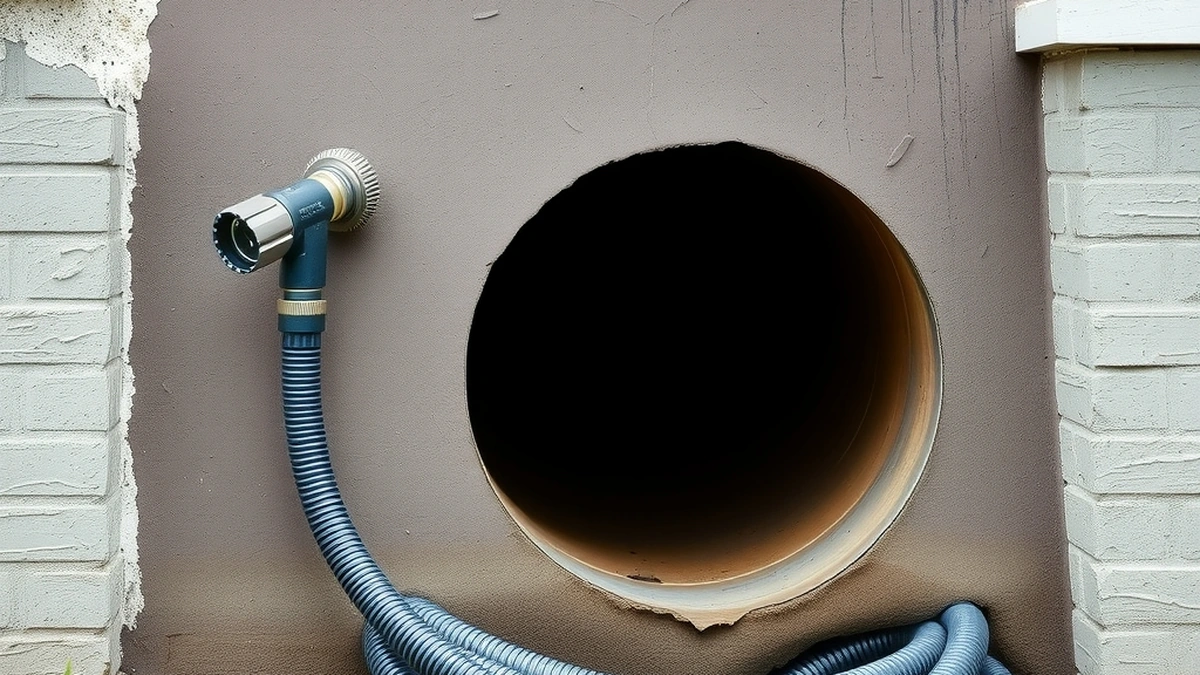
Hydro jetting is a drain cleaning method that pushes water through a special nozzle at roughly 3,000 to 4,000 psi to scour grease, sludge, scale and root mats off the inside of a pipe. It is not a repair. Nothing about the pipe’s condition changes except that the bore is cleaner than it was an hour ago.
That distinction matters when you are comparing quotes, because a $500 jetting visit and a $500 spot repair are not the same purchase. One restores flow. The other restores the pipe.
A typical residential visit covers:
- Travel and setup, usually 30 to 45 minutes
- Running the hose to a cleanout, roof vent or pulled toilet
- One pass up the line and one back
- A flow test at the end
Most of the labour is setup and access, which is why a 20-foot branch line and a 90-foot main line often price within $100 of each other.
The price bands
| Job | Typical cost | What drives it |
|---|---|---|
| Branch line or short run | $300 - $450 | Single fixture, easy cleanout access |
| Main line, single family | $450 - $600 | 60 to 100 feet, one cleanout |
| Main line with heavy grease or roots | $600 - $800 | Multiple passes, root cutter head |
| Roof vent or no cleanout | $550 - $800 | Ladder work, pulling a fixture |
| Commercial kitchen line | $700 - $1,500 | Grease volume, trap access, after hours |
The bands overlap because the same job in two houses can differ by $200 on access alone. A cleanout in a front yard at grade is a five-minute hookup. A cleanout buried under a finished basement ceiling is not.
Three worked examples
Example one: a 70-foot main line with a slow kitchen drain. Standard visit at $480, one extra pass for grease at $60, total $540. No camera, because the line had been inspected eight months earlier.
Example two: roots at a clay joint, 85 feet out. Jetting with a root cutter head at $650, camera inspection after at $350, total $1,000. The camera is the important line: it tells you whether the joint is cracked or merely infiltrated.
Example three: a restaurant line jetted quarterly. Four visits at $750 each is $3,000 a year. Compare that with a grease interceptor service contract, which frequently costs less and addresses the source rather than the symptom.
The per-foot version is not very useful here. $540 for 70 feet is $7.71 per foot, but a 25-foot branch at $380 is $15.20 per foot. Short jobs carry the same mobilization cost spread over fewer feet.
What moves the number
Access. A cleanout at grade is the cheapest entry. A roof vent adds ladder work and a second technician on some crews. Pulling and resetting a toilet adds $75 to $150 in most markets.
Footage and fittings. Every sweep, wye and 90-degree bend costs time. A line with six bends takes longer than a straight run of the same length.
What is in the pipe. Grease and sludge wash out. Root mats need a cutting head and a second pass. Scale on old cast iron may need a chain head, which is slower and priced higher.
Time of day. A weekday appointment is the base rate. Nights, weekends and holidays typically add $150 to $300, which is part of why the emergency band reaches $1,500.
Who owns the line. If the blockage sits in the municipal main rather than your lateral, the city handles it at no charge. Knowing where the property line is can save the entire bill.
Jetting, snaking and camera work compared
| Method | Cost | Clears | Diagnoses | Best for |
|---|---|---|---|---|
| Auger or snake | $150 - $350 | A local blockage | No | A single stoppage, a toy or wipes |
| Hydro jetting | $300 - $800 | Full pipe wall | No | Grease, sludge, roots, recurring slow drains |
| Camera inspection | $200 - $500 | Nothing | Yes | Finding out why the line keeps blocking |
A snake punches a hole through a blockage. Jetting cleans the wall. A camera tells you which of those you needed. The usual correct order is camera first when the problem is recurring, jetting when the camera shows soft debris, and a repair quote when the camera shows a defect.
If the camera finds a break, a sag or a separated joint, jetting will not fix it. The price ladder for that work is in collapsed pipe repair options and spot repair costs, and the decision between cleaning and repairing is covered in sewer line repair vs drain cleaning.
When jetting is the wrong purchase
Jetting buys time, and sometimes that is exactly right. It is the wrong purchase in four situations:
- The same line has blocked three times in a year.
- The camera shows a belly, a crack, or an offset joint.
- The pipe is Orangeburg, which collapses rather than clears.
- The blockage is in the city main, not your lateral.
A line that blocks twice in twelve months is telling you something structural. Two jetting visits at $520 is $1,040, which is two-thirds of the way to a $1,500 spot repair that addresses the cause. The arithmetic turns against repeat cleaning quickly.
How to book it without overpaying
- Confirm whether the cleanout is accessible and where it is, so the quote is not revised on arrival.
- Ask whether the price includes a camera pass at the end, and how many feet it covers.
- Get the footage and the nozzle type on the invoice, not just “jetted main line”.
- Ask what happens if the line will not clear, and whether that visit is still billable.
- For a recurring blockage, book the camera first rather than a third jetting.
The wider pricing context across all methods is in how much sewer line repair costs. If the jetting is being quoted as part of a bigger job, read trenchless lining cost before you agree to anything, because lining is often sold on the back of a cleaning visit and the two should be priced separately.
Frequently asked questions
How much does hydro jetting cost?
Expect $300 to $800 per visit for a residential line, with most single-family main-line jobs falling between $450 and $600. Branch lines and short runs sit at the low end.
Is hydro jetting more expensive than snaking?
Yes, usually by $150 to $350. A snake or auger is a mechanical cut through the blockage, while jetting uses 3,000 to 4,000 psi of water to scour the full pipe wall.
Does the price include a camera inspection?
Usually not. Camera work is priced at $200 to $500 on its own. Some companies bundle a short camera pass, so ask what footage the quote covers before you compare.
Why did one quote come in at $300 and another at $800?
Access and condition. A cleanout at grade with a straight run is quick. A line reached through a roof vent, a long lateral, or heavy grease and roots can triple the labour time.
How often should a line be jetted?
For a restaurant or a home with mature trees over the lateral, once every 12 to 24 months is a reasonable schedule. A clean line with no grease source may not need it at all.
Can jetting damage an old pipe?
It can if the pipe is already failing. Clay tile with offset joints, Orangeburg, and cast iron with heavy scale can be opened up by high pressure, which is why a camera pass first is the safe order.
Sources
Some links are affiliate links.If you buy through them we may earn a commission at no extra cost to you. We do not accept payment for rankings. Read the full disclosure.