Hydro jetting vs trenchless lining
Jetting cleans a sewer line for $300 to $800; lining rebuilds it for $4,000 to $12,000. They solve different problems, and the camera decides which.
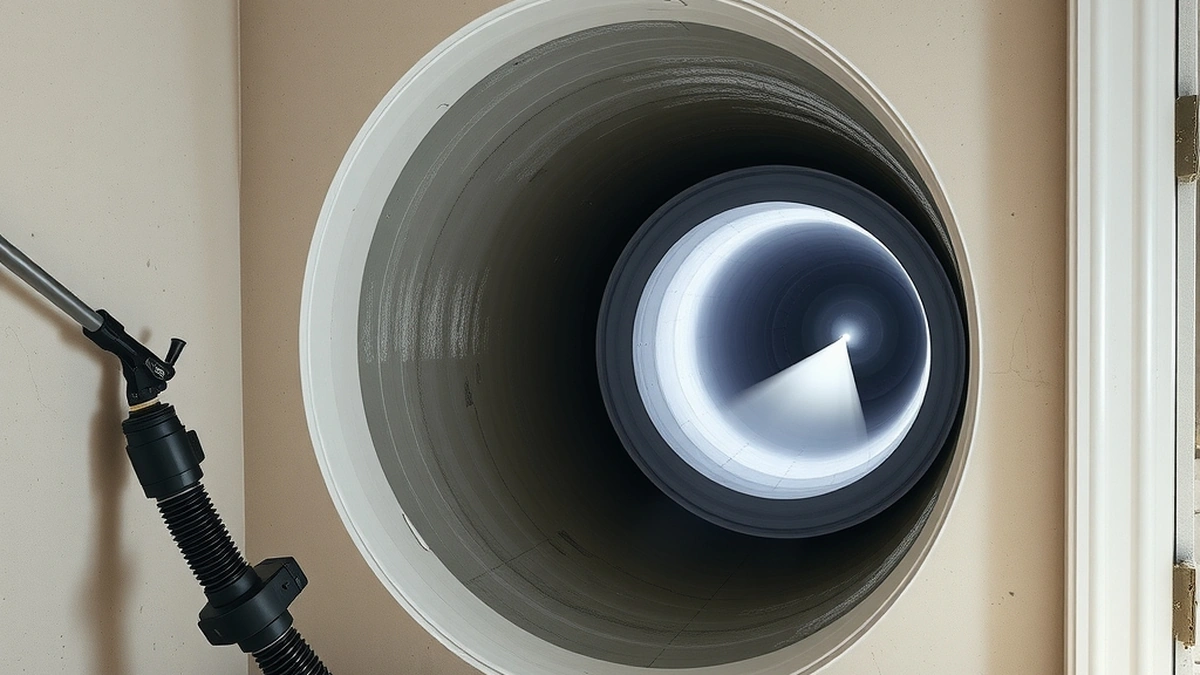
Hydro jetting cleans a pipe for $300 to $800 and fixes nothing structural. Trenchless lining installs a new inner wall for $4,000 to $12,000 and addresses cracks, offsets and root infiltration. A camera inspection at $200 to $500 tells you which problem you actually have.
- Hydro jetting
- $300 - $800
- Trenchless lining
- $4,000 - $12,000
- Camera inspection
- $200 - $500
- Lining lifespan
- 50 years
Some links on this page are affiliate links.If you buy through them we may earn a commission at no extra cost to you. We do not accept payment for rankings. Read the full disclosure.
Hydro jetting and trenchless lining are not competing products. Jetting is a cleaning service at $300 to $800 that removes grease, sludge and roots from a pipe that is still structurally sound. Lining is a construction job at $4,000 to $12,000 that installs a new wall inside a pipe that is cracked, offset or leaking. The camera inspection at $200 to $500 is what tells you which of those you are buying.
The definition, plainly
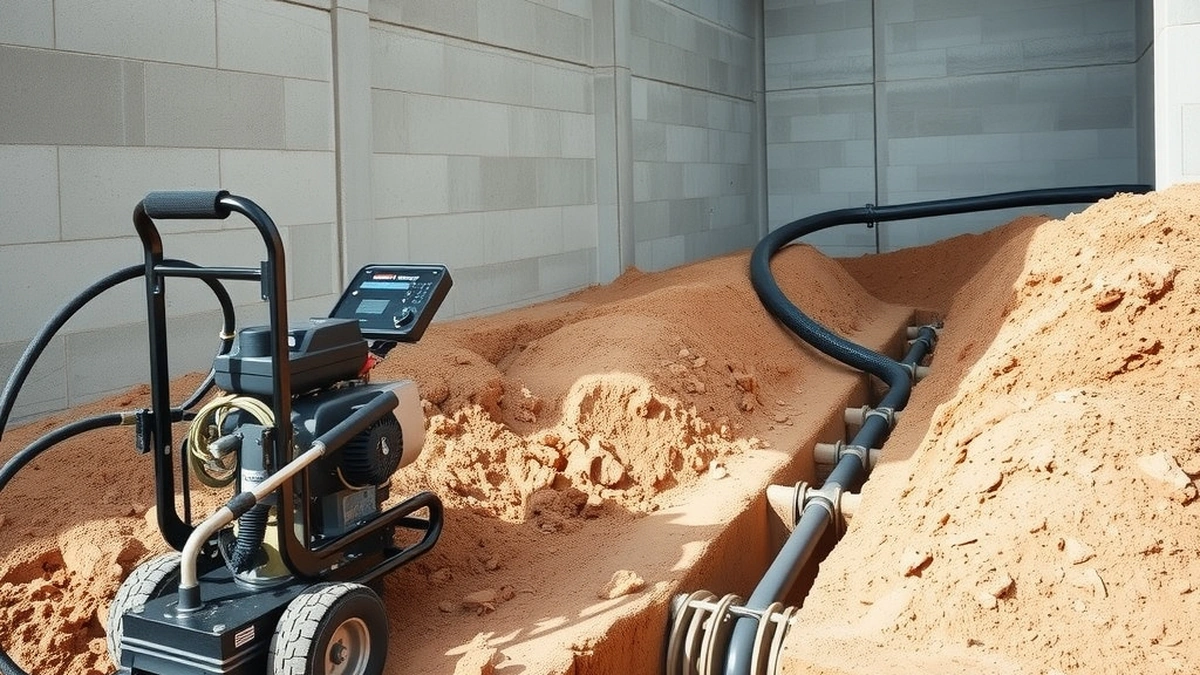
Hydro jetting is a drain cleaning method that directs high-pressure water through a nozzle to scour material off the inside of a pipe.
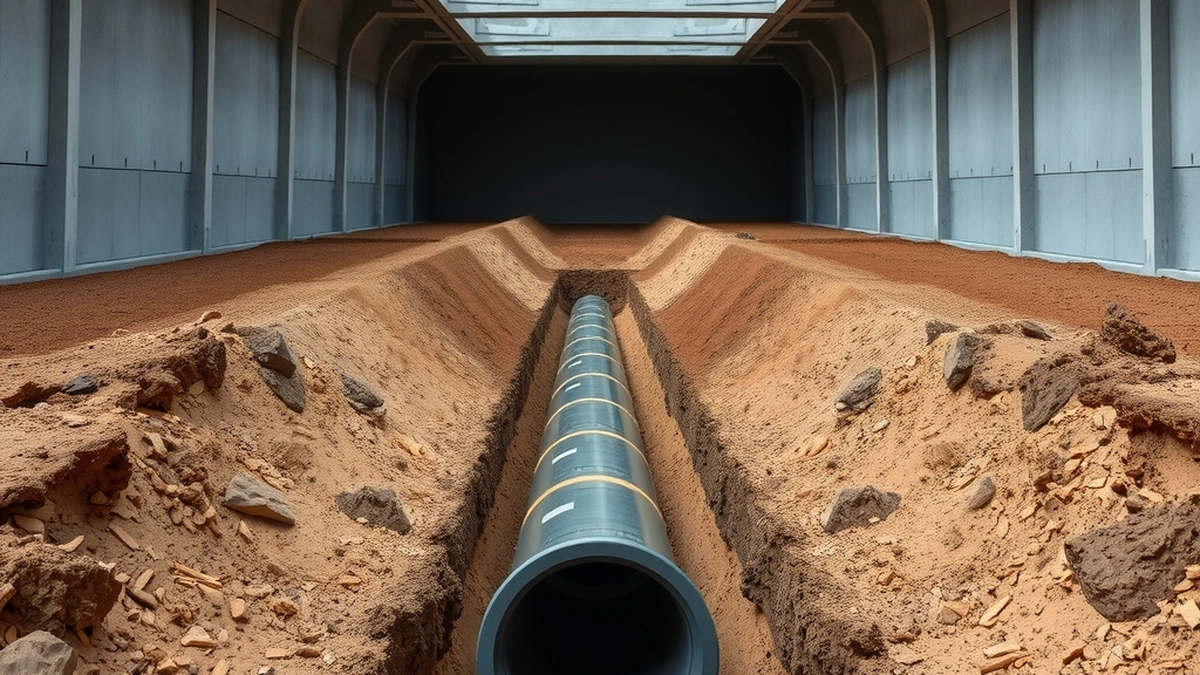
Trenchless lining, usually cured-in-place pipe (CIPP), is a rehabilitation method that pulls a resin-saturated tube into the existing pipe, inflates it against the wall, and cures it into a hard new inner pipe.
One removes what is inside the pipe. The other becomes the inside of the pipe. That is the whole distinction, and every cost and lifespan difference follows from it.
Costs side by side
| Item | Hydro jetting | Trenchless lining |
|---|---|---|
| Base price | $300 - $800 | $4,000 - $12,000 |
| Duration | 1 - 2 hours | 1 day plus cure |
| Access needed | One cleanout | Two pits, or cleanout to cleanout |
| Camera included | Sometimes | Usually, before and after |
| Restores structure | No | Yes |
| Stops root infiltration | No | Yes |
| Expected life | Until it fouls again | 50 years |
| Disruption | None | Lawn or driveway at the pits |
The comparison is lopsided because the two jobs are not the same size. A homeowner comparing a $500 jetting quote with a $9,000 lining quote is comparing a dental cleaning with a crown.
When jetting is the right answer
Jetting is correct when the camera shows soft material and a sound wall. The specific findings that point to cleaning:
- Grease or sludge coating the pipe
- Hair-fine roots at otherwise intact joints
- Scale or mineral buildup
- A single soft blockage with no structural defect
In those cases lining would be a $9,000 solution to a $500 problem. The pipe is fine; it is dirty. Clean it, then inspect again in two to three years.
Jetting is also the correct first step before any lining job. A liner cannot be installed over grease or roots, so the $300 to $800 cleaning is built into the $4,000 to $12,000 price whether it appears as a separate line or not.
When lining is the right answer
Lining is correct when the camera shows defects that cleaning cannot fix:
- Cracks, especially longitudinal ones
- Offset joints where the pipe has shifted
- Root mats entering through open joints
- Infiltration visible as water seeping in
- Corrosion or scale severe enough to have thinned the wall
In those cases jetting buys weeks or months, not a solution. The roots return because the joint is still open. The crack still admits water. The pipe still leaks.
A useful test: after jetting, does the camera show the defect still there? If yes, the next purchase is a repair, not another cleaning.
The arithmetic of cleaning repeatedly
Take a 70-foot clay line with roots at four joints and infiltration at each one.
- Jetting every 12 months at $550 = $550 a year.
- Over eight years that is $4,400, with no change in the pipe condition.
- Lining the run at $9,000 plus a $400 camera = $9,400.
The break-even is around 17 years, which sounds like an argument for cleaning. But the calculation leaves out two things: the lining stops infiltration, which reduces the volume of water the municipal system treats, and it stops the joints deteriorating further. A joint that is infiltrating today is a candidate for soil loss and a sinkhole tomorrow.
The honest answer is that cleaning wins on a line that is merely dirty, and lining wins on a line that is leaking. That is a camera judgment, not a price judgment.
The full lining price breakdown is in trenchless lining cost, and the cleaning price detail is in hydro jetting cost.
What a lined pipe needs afterwards
A liner is not maintenance free, but it changes the maintenance.
- No root cutting. The continuous wall has no joints to exploit.
- Reduced jetting pressure. Many installers specify lower pressure on a lined section to protect the bond.
- Camera checks at intervals. A post-install camera pass is standard; a follow-up at 5 to 10 years is sensible.
- No structural digging. The liner carries the flow; the host pipe is a form, not a structural member in most residential specifications.
One limitation worth knowing: a liner follows the shape of the host pipe. If the pipe has a belly, the liner has a belly. Lining does not restore fall, so a sagging line still holds water after it is lined. That is a case where full replacement is the correct answer and lining is not.
How to decide, in five steps
- Book a camera inspection at $200 to $500 and get the video file.
- Ask what the camera shows: soft material, or a defect in the wall.
- If it is soft material, jet at $300 to $800 and re-inspect.
- If it is a defect, get quotes for lining and for spot repair on the same footage.
- If the pipe has lost fall, ask about replacement rather than lining, because lining will not fix grade.
Two quotes and one camera recording will settle this faster than any amount of reading. One warning on quotes: a lining price that appears unusually low often excludes the pre-lining cleaning, the camera pass, or the restoration of the two access pits. Ask for the job as a single number covering all four items, then compare.
The same applies to jetting quotes. A $300 visit that becomes $600 after a second pass and a camera check is not dishonesty, but it is not the price you were told either. Ask each contractor for the total for the finished outcome, not the opening rate.
For the structural comparison that follows, see trenchless lining vs full replacement and pipe bursting vs trenchless lining.
Frequently asked questions
Is hydro jetting or trenchless lining better?
They answer different questions. Jetting removes buildup from a sound pipe. Lining rebuilds a failing pipe from the inside. Neither replaces the other, and a camera decides which one is appropriate.
Can you line a pipe without jetting it first?
No. Lining requires a clean wall so the resin can bond and the liner can pass. Jetting at $300 to $800 is normally a required step in a $4,000 to $12,000 lining job.
Does lining stop roots coming back?
Yes, if the liner is continuous. Roots enter through joints and cracks, and a cured-in-place liner removes both. Jetting removes the roots but leaves the joint open, so they return.
How long does trenchless lining last?
A properly installed cured-in-place liner is commonly rated at 50 years, which is longer than the remaining life of most of the host pipe around it.
Why is lining so much more expensive than jetting?
Because it is construction. Jetting is a service visit with a machine. Lining involves resin, a liner, steam or UV cure equipment, two access pits and a crew for most of a day.
Can jetting damage a liner?
It can if the liner is thin or poorly bonded. Most installers recommend lower pressure after lining, and some specify no jetting at all on the lined section.
Sources
Some links are affiliate links.If you buy through them we may earn a commission at no extra cost to you. We do not accept payment for rankings. Read the full disclosure.