Spot repair cost: what one defect really runs
A spot repair runs $1,500 to $5,000 in the US, after a $200 to $500 camera inspection. Here is what moves the price and when a patch stops paying.
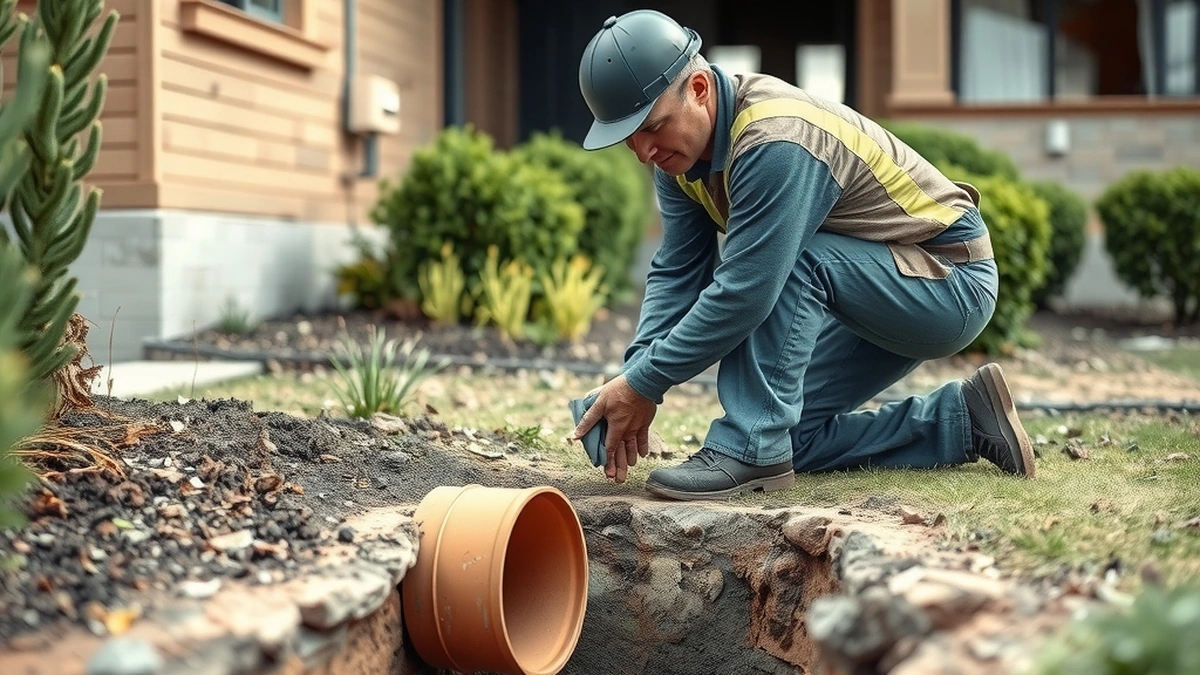
Spot repair costs $1,500 to $5,000 for most US homes, on top of a $200 to $500 camera inspection and usually a $300 to $800 cleaning. Depth, surface, pipe material, and whether the fix is a cut-and-splice or a short cured-in-place liner decide where in that band the job lands.
- Spot repair
- $1,500 - $5,000
- Camera inspection
- $200 - $500
- Hydro jetting first
- $300 - $800
- Full replacement, for comparison
- $5,000 - $15,000
Some links on this page are affiliate links.If you buy through them we may earn a commission at no extra cost to you. We do not accept payment for rankings. Read the full disclosure.
Spot repair costs $1,500 to $5,000 for a typical US house, and that figure buys the fix for one defect: a cracked section, a root-wrapped joint, a short collapsed stretch. The inspection that finds the defect is a separate $200 to $500, and most crews will not quote a repair without it. The gap between the low and high end is depth, surface, and method, not markup.
What the price actually covers
A spot repair is a localized fix to one damaged section of a sewer line, usually 2 to 6 feet long, rather than work along the entire run from the house to the municipal main. Everything in the price follows from that definition: a small excavation or a short liner, a small amount of pipe, and a surface to put back.
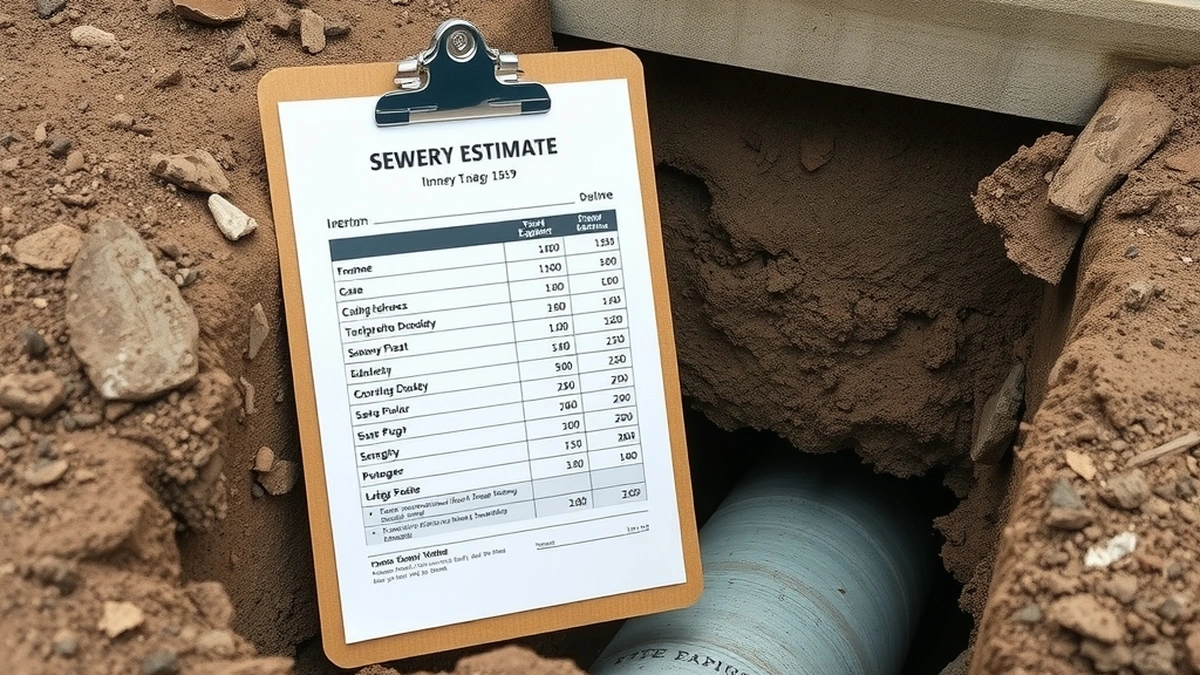
| Line item | Typical range | What it pays for |
|---|---|---|
| Camera inspection | $200 - $500 | Locating the defect, measuring footage, handing over the recording |
| Hydro jetting | $300 - $800 | Clearing roots and grease so the pipe can be cut or lined |
| Spot repair | $1,500 - $5,000 | Excavation, pipe, couplings or liner, crew, backfill, compaction |
| Permit, where required | $50 - $400 | Plumbing or right-of-way permit, inspection |
| Surface restoration | $0 - $2,000 | Sod, pavers, or concrete sawed and repoured |
Add a mid-range job together: $350 inspection plus $500 jetting plus $2,700 of repair is $3,550 before restoration. Put the same repair under a 4-inch concrete walk and add $600 to saw, break, and repour: $4,150. Nothing about the pipe changed. The surface did.
The two methods behind the band
Crews fix a single defect one of two ways, and the choice explains most of the spread inside the $1,500 to $5,000 range.
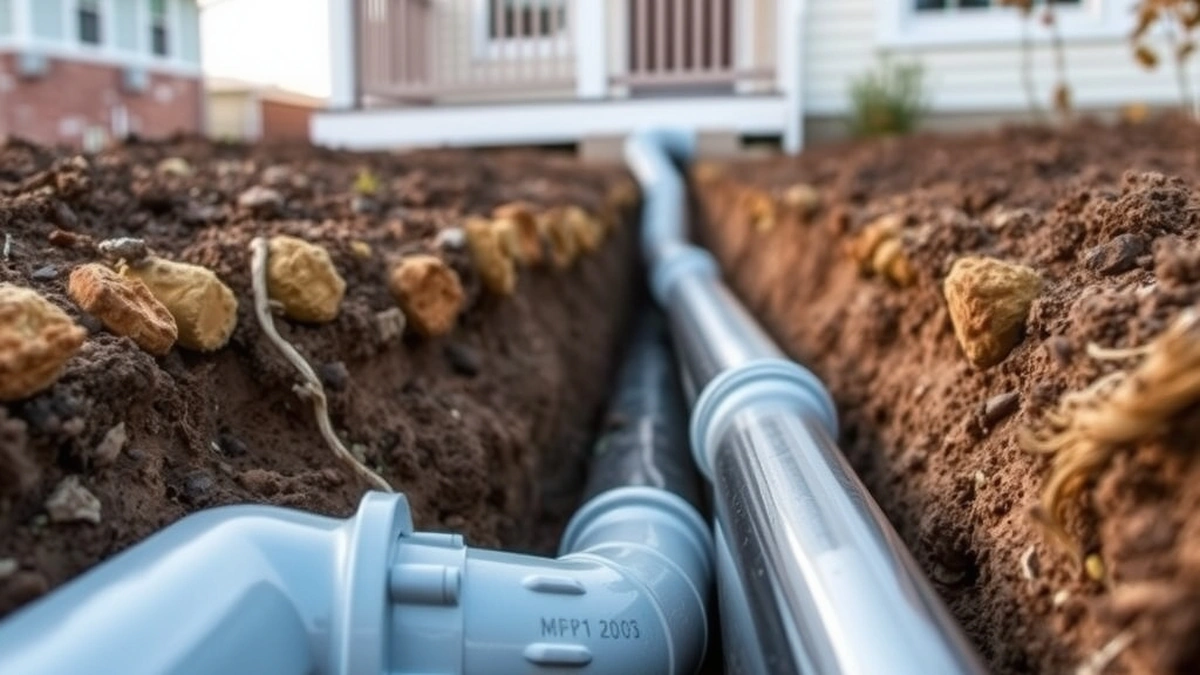
A cut-and-splice is the conventional route. The crew excavates to the pipe, cuts out the damaged length, and joins new pipe with couplings, then backfills and restores. It is straightforward, it works on almost any pipe material, and it needs a hole in the ground.
A spot liner is a short cured-in-place patch installed from inside the pipe through a cleanout. No excavation, no restoration, but the host pipe has to be clean, round, and structurally sound around the defect, and the cleanout has to be large enough to pass the liner.
| Cut-and-splice | Spot liner | |
|---|---|---|
| Typical cost | $1,500 - $4,000 | $2,000 - $5,000 |
| Excavation | Required | None |
| Surface restoration | Yes | None |
| Pipe condition needed | Any | Round, sound host pipe |
| Works on a collapse | Yes | No |
| Typical duration | 1 day | 2 to 4 hours on site |
Per-foot pricing is the wrong lens here, and it is worth seeing why. A $2,400 splice over 4 feet is $600 per foot. The same $2,400 over 12 feet is $200 per foot. The crew, the truck, the permit, and the restoration are close to fixed; only the pipe and the digging scale with length. Judge the quote on scope, not on a per-foot rate quoted over the phone.
Why the same defect quotes at $1,600 and $4,900
Five variables account for nearly every gap between two bids on the same pipe.
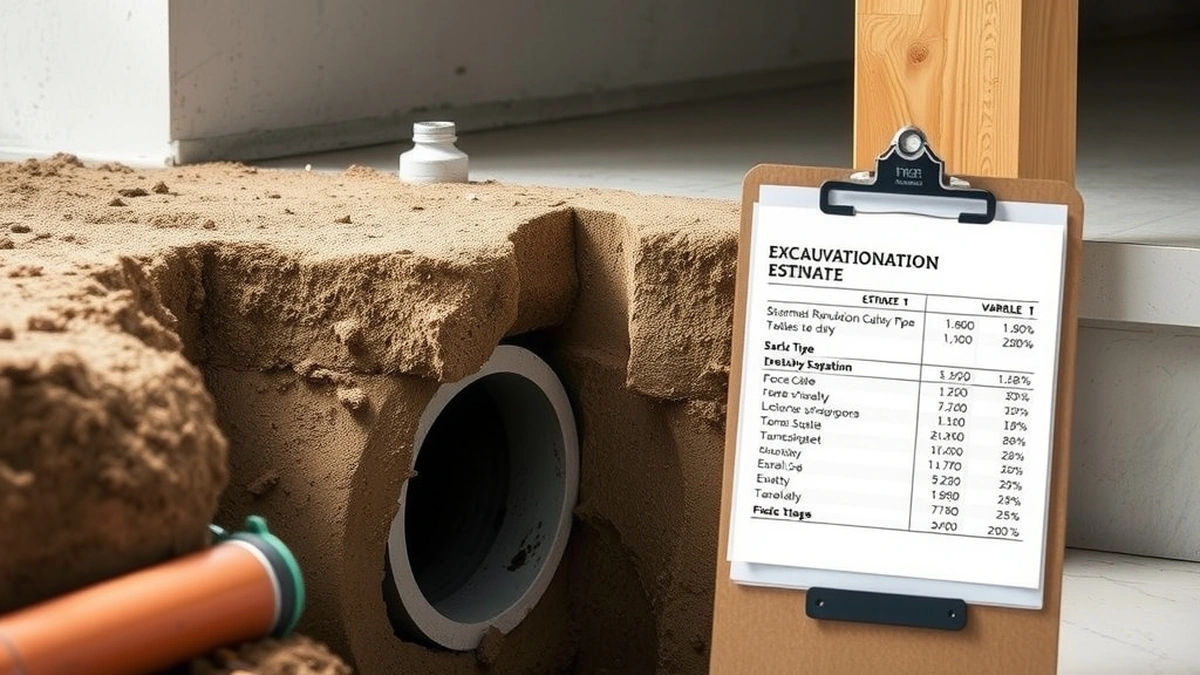
Depth is the first. A line 3 feet down can be opened, repaired, and backfilled in a morning. A line 8 feet down needs a shored pit, and shoring is billed by the hour plus materials. It also triggers trench safety rules that a shallow dig never touches.
Surface is the second. Lawn is cheap to restore. A stamped concrete patio, a paver driveway, or a mature planting bed is not, and the contractor has to price the risk of breaking something they cannot replace exactly.
Pipe material is the third. Clay breaks predictably and cuts fast. Cast iron is slower to cut and heavier to handle. Orangeburg, where it still exists, often cannot be spliced at all because there is nothing sound to clamp to, and the repair becomes a longer replacement.
Access is the fourth. A fenced side yard with a gate wide enough for a mini-excavator is a different job from a rear line behind a detached garage, where spoil has to be carried out by hand.
Timing is the fifth. A scheduled repair is priced from a rate card. A Sunday-night repair with sewage backing into a floor drain is priced from an emergency rate, and that is the same $500 to $1,500 emergency callout that shows up on any after-hours sewer bill.
When the cheap repair is the expensive one
A spot repair is the right answer when the camera shows one defect in an otherwise sound pipe. It is the wrong answer when the same camera shows three defects, a back-pitched section, or a run that has lost its round profile.
Do the lifetime arithmetic before you approve the patch. A $2,800 spot repair plus a $9,000 replacement four years later is $11,800 for the same line. The replacement alone, done once, was $9,000. The patch bought four years for $2,800 and then handed over the full bill anyway.
The pattern repeats often enough that it is worth stating plainly: if more than about a fifth of the run is compromised, or if the defects sit more than 10 feet apart, price the whole job before you price the patch. Full replacement cost covers that band, and spot repair vs trenchless lining covers the middle option.
What the quote should itemize
A single total is not an estimate. Ask for these lines separately so two bids can be compared on the same scope:
- Footage of the repair, measured on camera, with the video file handed over
- Method specified, cut-and-splice or spot liner, not left to the day
- Pipe material and coupling type named
- Depth of excavation and whether shoring is included
- Surface restoration, including who matches the concrete or pavers
- Permit fee and who pulls it
- Post-repair camera pass, included or billed later
- Warranty length and what voids it
The post-repair camera pass is the line most often missing. Without it, a coupling that was not fully seated is discovered by the next owner, and the callback lands in the spot repair problems column instead of on the installer’s invoice.
What to do next
- Book the camera inspection at $200 to $500 and ask for the recording, not a verbal summary.
- Have the line jetted at $300 to $800 first, because roots and grease hide the true condition of the pipe around the defect.
- Ask the contractor to state on the quote whether the surrounding pipe is sound enough to repair rather than replace.
- Collect three itemized quotes using the list above, and ask each one for the same method so the numbers compare.
- Confirm the post-repair camera pass and the warranty terms in writing before work starts.
The installation sequence explains what happens on the day, and how much sewer line repair costs puts this band next to every other repair type.
Frequently asked questions
How much does a sewer spot repair cost?
Most US homeowners pay $1,500 to $5,000 for a spot repair, plus $200 to $500 for the camera inspection that locates the defect and $300 to $800 if the line needs jetting first.
Is a spot repair cheaper than replacing the line?
It is cheaper once, at $1,500 to $5,000 against $5,000 to $15,000. It stops being cheaper when the camera shows several defects, because a second and third patch add up past the replacement price.
Why does the same repair quote at $1,600 and $4,900?
Depth, surface, and access. A 3-foot dig in a lawn and an 8-foot shored pit under a concrete driveway are different jobs with different labor, disposal, and restoration costs.
Does insurance cover a spot repair?
Rarely the repair itself, which is treated as pipe maintenance. Damage caused by the failure, such as a backup into a finished basement, may be covered, and some policies sell a sewer backup endorsement.
How long does a spot repair last?
A cut-and-splice on sound pipe commonly lasts 10 to 25 years. A short liner lasts about as long as the host pipe stays round, which is why the camera pass before the repair matters more than the repair method.
Is a spot repair allowed under a driveway?
Yes, but the surface cost changes the math. Sawing, breaking, and repouring 4 inches of concrete over a small pit commonly adds $600 to $2,000 to the bill.
Sources
Some links are affiliate links.If you buy through them we may earn a commission at no extra cost to you. We do not accept payment for rankings. Read the full disclosure.