Hydro jetting maintenance: a realistic schedule
How often to jet a sewer line, what to do between visits, and why annual jetting is the wrong default for most homes. Includes a schedule by situation.
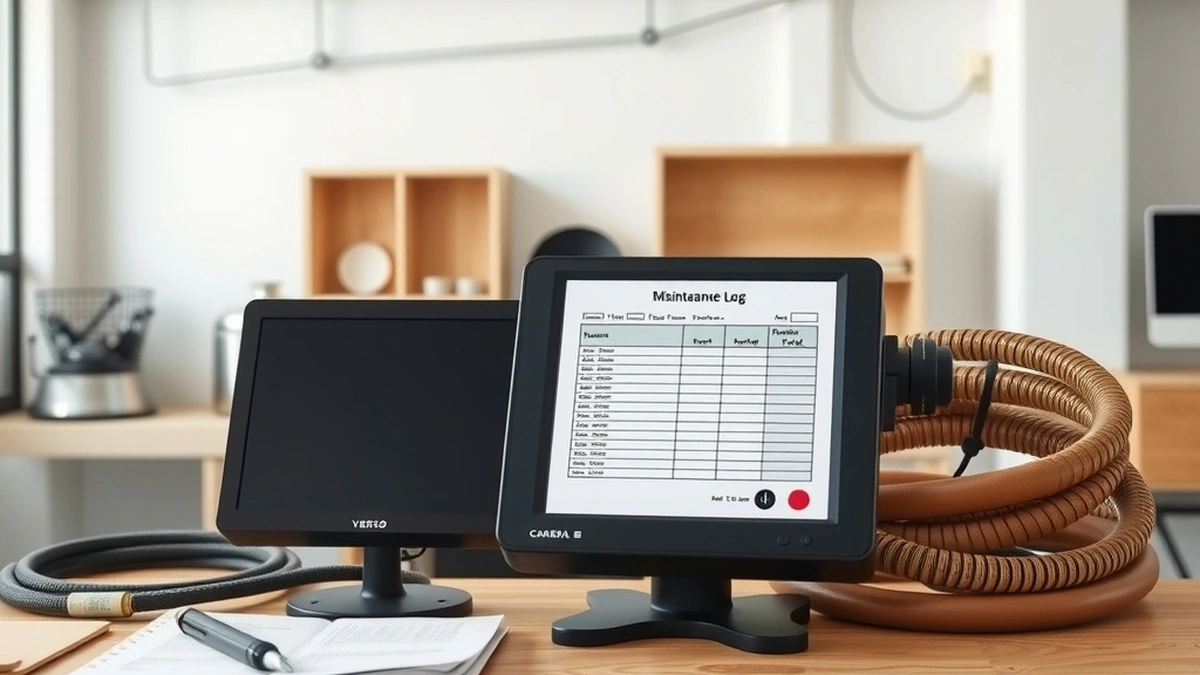
Maintain a sewer line with a camera inspection every 2 to 3 years and jetting only when the camera shows grease, sludge or roots. A scheduled jetting visit costs $300 to $800; annual jetting on a clean PVC line is money spent on a problem you do not have.
- Jetting visit
- $300 - $800
- Camera inspection
- $200 - $500
- High-risk schedule
- Every 12 - 24 months
- Low-risk schedule
- Camera every 3 years
Some links on this page are affiliate links.If you buy through them we may earn a commission at no extra cost to you. We do not accept payment for rankings. Read the full disclosure.
Hydro jetting maintenance is not an annual appointment. It is a camera inspection every two to three years, with jetting booked when the camera shows grease, sludge or root intrusion. The jetting itself costs $300 to $800; the inspection that tells you whether you need it costs $200 to $500. Booking the second without the first is how homeowners end up paying for the same cleaning forever.
What maintenance actually means here
Jetting is a cleaning method, not a treatment. It removes what has accumulated. It does not stop accumulation from returning, and it does not change the pipe.
So maintenance has three parts, in order of value:
- Inspection — find out what is in the line and what condition the pipe is in.
- Cleaning — jet when the inspection shows a reason.
- Habit — stop putting the things in that cause the buildup.
Most homeowners do the third one badly, the second one too often, and the first one never.
A schedule by situation
| Situation | Inspection | Jetting | Annual cost, typical |
|---|---|---|---|
| PVC, no trees, no history | Every 3 years | Rarely | $120 - $170 amortized |
| 1970s clay, mature trees nearby | Every 2 years | Every 12 - 24 months | $400 - $800 |
| Restaurant or grease-heavy kitchen | Every year | Every 6 - 12 months | $1,200 - $3,000 |
| Cast iron, 50+ years old | Every 2 years | As needed | $300 - $600 |
| Orangeburg | Once, then plan replacement | Never | Replacement budget |
The amortized figure is the honest way to compare. A $450 camera every three years is $150 a year. A $550 jetting visit every year is $550 a year. If the line is sound, the first number buys more information for less money.
The three-year camera, in practice
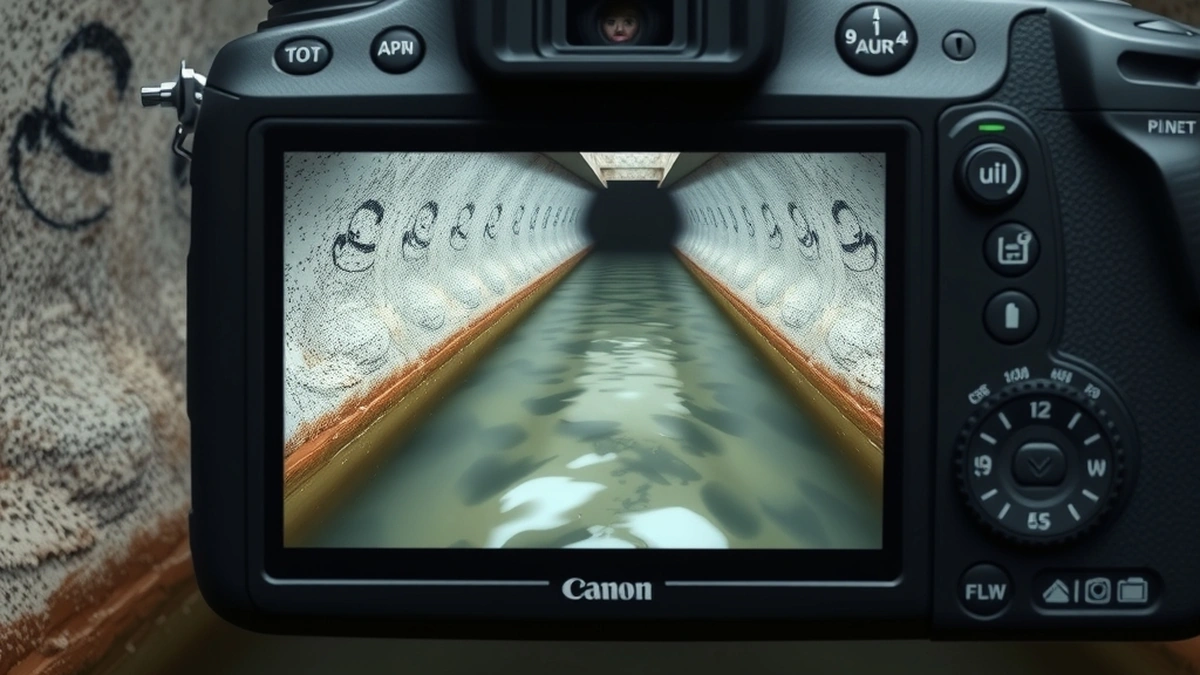
A camera inspection is the only maintenance item that produces a record. Ask for the video file, the footage marks, and a note on joint condition. Three years later, the next inspection can be compared to it.
What the camera is looking for:
- Roots at joints — fine hair roots mean infiltration, thicker mats mean the joint has opened.
- Grease and sludge — soft buildup that jetting removes cleanly.
- Scale — hard mineral crust, common in cast iron and in hard-water areas.
- Belly or sag — a low spot where water stands.
- Offsets and cracks — structural, not cleanable.
Only the first three are jetting problems. The last two are repairs, and cleaning them repeatedly is the most common way homeowners waste money on this category.
Between visits: what actually helps
Four habits cover most of it, and none of them cost anything.
Grease goes in the bin, not the drain. Cooking oil cools and congeals on the pipe wall. A cup of grease per week is roughly 50 cups a year, and it does not travel.
Strainers in every drain. Hair and food are the two most common causes of a branch blockage. A $10 strainer catches both.
No wipes, ever, even “flushable” ones. They do not disperse like paper. They catch on roots and offsets and form the mat that jetting is then called to remove.
Watch for slow drains as a group. One slow fixture is a local clog. Two or more slow fixtures on the same floor is a main-line signal, and it is the cheapest moment to book a camera.
The environmental case for keeping grease and wipes out is covered by the EPA’s guidance on fats, oils and grease, and the plumbing code requirements for cleanouts are in the International Residential Code.
What a maintenance contract is worth
Many companies sell an annual plan that bundles one inspection and one cleaning. Typical pricing is $200 to $400 a year, which is less than two separate visits at $300 to $800 each.
Read the terms before signing:
- Does the plan include a camera inspection, or only a cleaning?
- Is the price locked for the term, or does it escalate?
- Does it cover after-hours calls, or is that billed at $500 to $1,500?
- Is there a cancel-any-time clause?
A plan that includes a camera pass and a cleaning at $350 is reasonable value on a high-risk line. A plan that includes only a cleaning is a subscription to jetting, which is the thing this article is arguing against.
When maintenance turns into a repair decision
The line between maintenance and repair is a camera finding. Once the camera shows a defect, continued jetting is a stopgap.
Take a 70-foot clay line with roots at three joints. Jetting every year at $550 is $2,750 over five years. A spot repair at the worst joint runs $1,500 to $5,000, but it does not fix the other two. Lining the run at $4,000 to $12,000 addresses all three and stops the infiltration.
The arithmetic does not always favour repair. If the roots are hair-fine and the joints are intact, annual jetting at $550 against lining at $9,000 takes 16 years to break even. That is a legitimate reason to keep cleaning. The decision rule is condition, not age.
The repair comparison is set out in trenchless lining vs spot repair, and the failure modes that end a maintenance plan are in root intrusion repair.
A maintenance routine you can follow
- Year 0: Book a camera inspection at $200 to $500 and keep the video.
- Year 0, if needed: Jet at $300 to $800, then re-inspect the same day.
- Ongoing: Strainers in, grease in the bin, no wipes.
- Year 2 or 3: Repeat the camera and compare it to the first recording.
- When the camera shows a defect: Stop cleaning and price the repair.
That is the whole program. The rest is sales material. For the cost side of the cleaning visit, see hydro jetting cost, and for what a neglected line eventually costs, read collapsed pipe cost.
Frequently asked questions
How often should a sewer line be hydro jetted?
Only when the camera shows a reason. High-risk lines with mature trees, grease or old clay get jetted every 12 to 24 months. A sound PVC line with no tree cover may never need it.
Is annual jetting a good idea?
Not as a default. Jetting removes buildup, but it also puts pressure on the pipe. A camera every two or three years tells you whether cleaning is needed instead of guessing.
What should I do between jetting visits?
Keep grease out of the drain, use strainers, avoid flushing wipes, and watch for slow drains. Those four habits prevent most of the buildup that jetting removes.
Does jetting shorten the life of a pipe?
On sound pipe, no. On clay, cast iron or Orangeburg, repeated high-pressure passes add wear. That is why the material matters more than the frequency.
How much does a maintenance contract cost?
Typically $200 to $400 a year for one inspection and one cleaning, which is often less than two separate visits at $300 to $800 each.
Can I jet my own sewer line?
Consumer jetters exist but lack the pressure and hose length for a main line. Renting one for a 70-foot lateral usually costs more than hiring a crew once.
Sources
Some links are affiliate links.If you buy through them we may earn a commission at no extra cost to you. We do not accept payment for rankings. Read the full disclosure.