Offset joints: warning signs
An offset sewer joint shows as a clog that returns at the same footage, a snake that hits a ledge, and roots at one spot. How to read each sign.
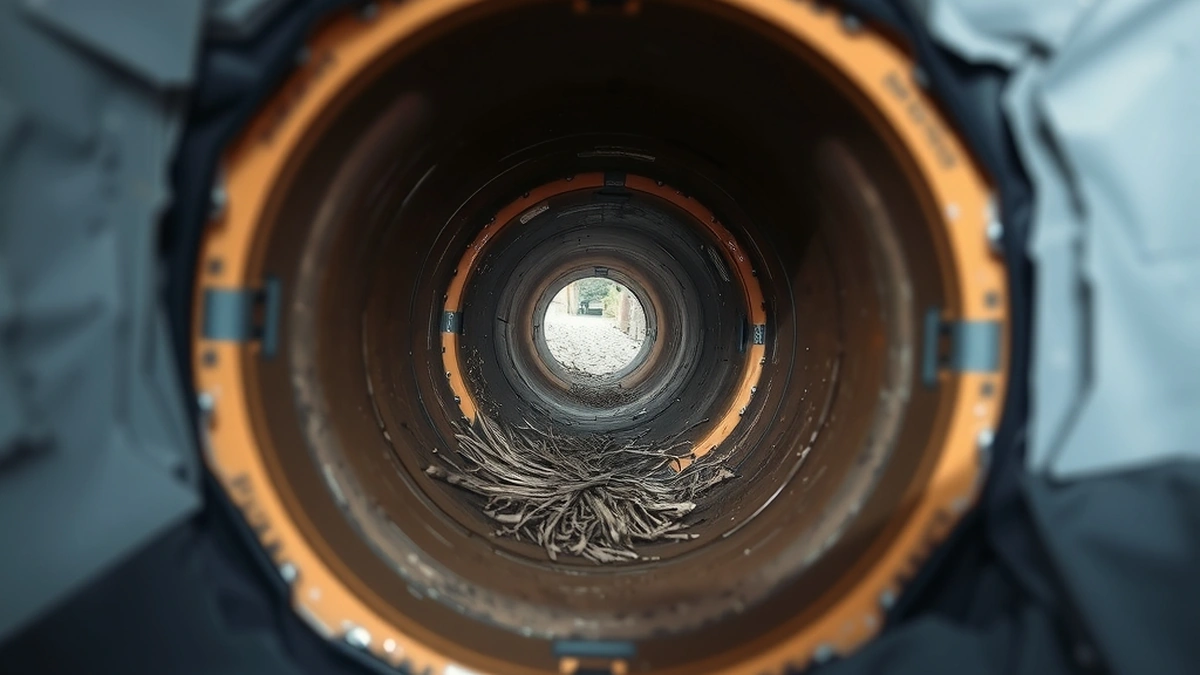
An offset joint shows as a clog that returns at the same footage, a snake that catches on a ledge, roots entering at one point, and a step on the camera. A $200 to $500 inspection confirms the size.
- Camera inspection
- $200–$500
- Hydro jetting
- $300–$800
- Spot repair
- $1,500–$5,000
- Full replacement
- $5,000–$15,000
Some links on this page are affiliate links.If you buy through them we may earn a commission at no extra cost to you. We do not accept payment for rankings. Read the full disclosure.
An offset joint warns you through repetition: the same drain clogs at the same distance from the cleanout, a snake stops hard at one point, and roots appear at a single joint rather than along the run. A $200 to $500 camera inspection confirms the step size and, more importantly, whether the joint has separated.
What an offset joint is
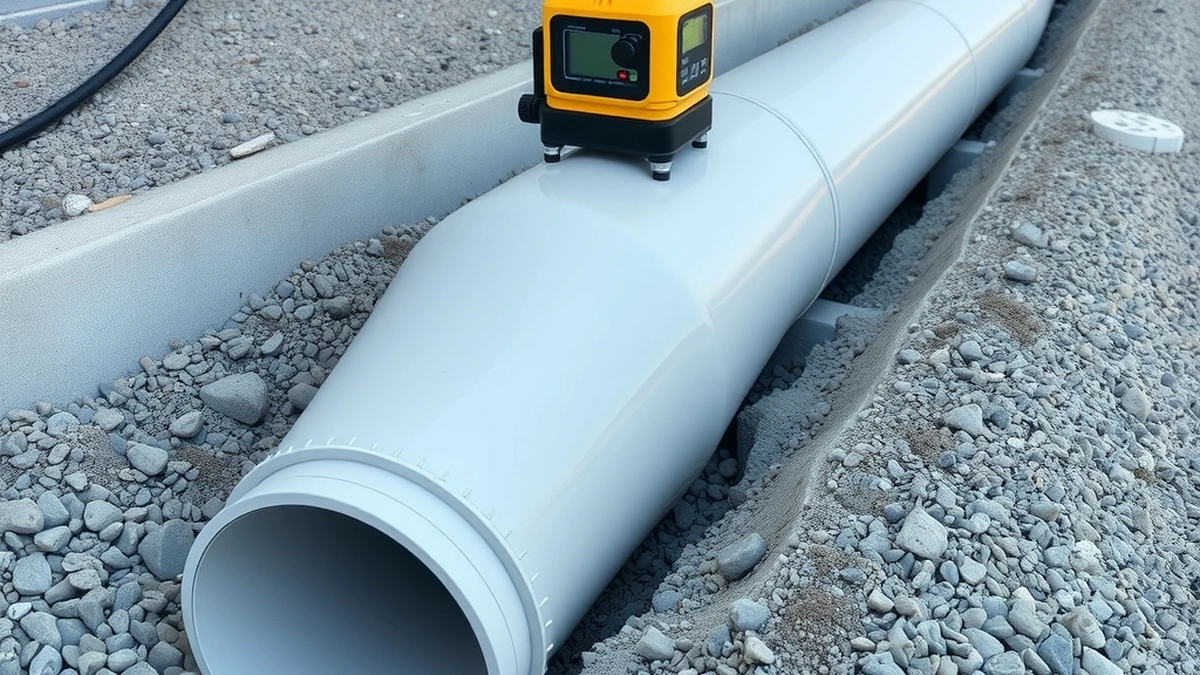
An offset joint is a place where two pipe sections no longer line up, leaving a step or lip in the bore. The upstream section sits higher, lower, or to one side of the downstream one, so the smooth bore is broken.
The lip is a shelf. Paper, grease, and wipes land on it and build up, and the gap beside it admits roots. That combination produces the symptom pattern below, which is subtly different from a belly, a clog, or a collapse.
The signs, from weakest to strongest
Slow draining that clears by itself. A small step holds solids for a while and then releases them. Drains that run slow for a few days and then recover, at the same fixture, are worth a camera look.
Gurgling at the lowest drain. Air pulled through a trap means the downstream pipe is partly full, which a ledge can cause.
Repeat clogs at the same footage. This is the strong one. If the plumber reports the blockage at the same distance from the cleanout each time, there is a fixed feature there.
A snake that stops hard. A cable that meets a solid stop and cannot be advanced is hitting a ledge or a fold. This is the point where the plumber usually says “there’s something wrong with the pipe” rather than “it’s roots”.
Roots at one joint. Roots enter the easiest gap. A camera showing roots at a single footage, with clean pipe either side, points to that joint.
A damp or sunken patch in the line. Water escaping at the joint erodes the bedding, so the ground above can settle.
What each sign tells you
| Sign | What it suggests | How it is confirmed |
|---|---|---|
| Clog at the same footage | Fixed obstruction, likely a step | Camera at $200–$500 |
| Snake stops hard | Ledge or collapsed wall | Camera, since an auger cannot pass |
| Slow drain then recovery | Partial restriction catching solids | Camera with flow |
| Roots at one joint | Open gap at that joint | Camera plus root cutting at $300–$800 |
| Sunken patch over line | Soil loss at the joint | Camera plus surface locator |
| Sewage smell outdoors | Leaking joint | Camera plus dye test |
Every one of them resolves to a camera pass, which is the only test that separates a joint step from a sag, a root mass, or a fold. The price difference between those repairs is measured in thousands, so the $200 to $500 is the cheapest decision on the list.
Offset versus belly versus collapse
The three look alike from inside the house and behave very differently underground.
An offset joint is a step at one point. The pipe either side is sound, the line drains between clogs, and the repair is a mill at $300 to $800 if the step is small, or a spot repair at $1,500 to $5,000 if the joint has separated.
A belly is a sag over a length. Water stands in the dip, solids settle continuously, and the symptom is a slow drain that never fully clears rather than a hard stop. The repair is a re-lay at $1,500 to $5,000 or lining at $4,000 to $12,000.
A collapse is a deformed wall. The camera cannot pass, the snake cannot pass, and sewage may back up into the house. The repair starts at $1,500 to $5,000 and reaches $5,000 to $15,000.
The practical difference for a homeowner: a joint offset gives a hard stop at a fixed point, a belly gives a slow line that never quite clears, and a collapse gives a backup that returns within days of clearing.
What to do when the signs appear
- Note the distance from the cleanout where the clog occurs, and write it down. Repeat distance is the evidence.
- Do not run an auger repeatedly at a hard stop. A cable forced against a ledge can break the pipe, which turns a $1,500 repair into a $5,000 one.
- Book a camera inspection at $200 to $500 and ask for the footage mark and the step size in inches.
- Have the line jetted at $300 to $800 if roots or grease block the view, then ask for a second pass at the same footage.
- Ask the contractor to say whether the joint is offset or separated, since only the second rules out lining.
- Get a milling price and a spot repair price for the same joint before choosing.
What the camera report should contain
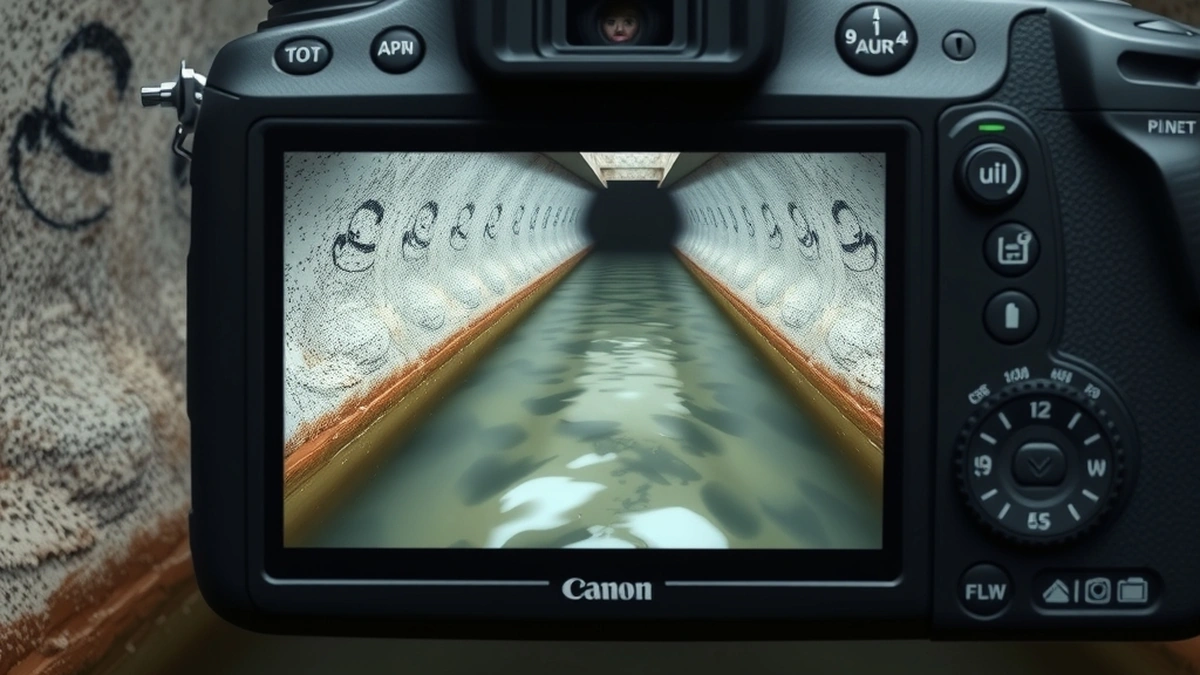
Ask for four things in writing: the pipe material, the footage of the defect, the size of the step, and a statement about whether the pipe ends are still engaged. “Offset joint at 41 feet, approximately 3/8 inch, ends engaged” is a report you can price. “Joint issue” is not.
If the report also shows a dip at the same footage, you are looking at two problems in one place. Water escaping at the joint eroded the bedding, the pipe sagged, and now the belly holds water against the offset. That combination is common on clay lines and it changes the repair: a spot re-lay at the joint fixes both, while milling fixes neither.
When to stop watching and start repairing
A small offset found on a camera pass, with no clogs and no root entry, is a watch item. Note the footage, check it at the next inspection, and leave it alone.
The trigger to repair is behavioural, not visual. Two clogs in two years at the same footage justifies a spot repair at $1,500 to $5,000, because two emergency calls at $500 to $1,500 each already approach the low end of that price and leave the defect in place. Add the damage a repeated auger does to a clay joint and the arithmetic gets worse.
The repair ladder is in offset joint repair options, and the line-item pricing is in offset joints cost. The installation details that stop the next one are in offset joints prevention. If the camera cannot pass the point at all, read collapsed pipe warning signs, and if water stands in a dip rather than stopping at a ledge, see bellied pipe warning signs.
Frequently asked questions
How do I know if my sewer joint is offset?
The usual tells are clogs that return at the same distance from the cleanout, a drain snake that hits a hard stop at one point, roots visible at a single joint, and a camera showing one pipe section stepped below or beside the next.
Why does my snake stop at the same place every time?
An offset joint creates a ledge the cable cannot climb. That is different from a soft clog, where the snake passes and clears the line. A hard stop at a fixed distance is one of the clearest signs of a joint step or a collapsed wall.
Can an offset joint cause slow drains without a full backup?
Yes. A small step slows flow enough to hold paper and grease, so drains run slow for days and then clear on their own. That on-and-off pattern at the same fixture is common in the early stage.
Do offset joints leak?
Often. The gap beside the step is a path for water, and water escaping there carries soil out of the bedding. That is why an offset is frequently found together with a sagging pipe at the same footage.
Are roots a sign of an offset joint?
Roots at a single joint strongly suggest one. Roots enter the easiest gap, which is a joint that has opened. If the camera shows roots concentrated at one footage and clean pipe elsewhere, look closely at that joint.
How much does the inspection cost?
A camera inspection runs $200 to $500 and should include a recorded video, footage marks, and a statement of the step size. Jetting at $300 to $800 may be needed first if roots or grease hide the joint.
Sources
Some links are affiliate links.If you buy through them we may earn a commission at no extra cost to you. We do not accept payment for rankings. Read the full disclosure.