Offset joints: repair options
An offset sewer joint can be ground smooth, cut out as a spot repair, lined, or replaced. What each option costs and which offsets are worth fixing at all.
An offset joint is fixed by grinding the lip during a $300 to $800 cleaning, by a spot repair at $1,500 to $5,000, by lining the run at $4,000 to $12,000, or by replacement at $5,000 to $15,000. Step size decides which.
- Cleaning and grinding
- $300–$800
- Spot repair
- $1,500–$5,000
- Trenchless lining
- $4,000–$12,000
- Full replacement
- $5,000–$15,000
Some links on this page are affiliate links.If you buy through them we may earn a commission at no extra cost to you. We do not accept payment for rankings. Read the full disclosure.
An offset joint is repaired by grinding the lip during a cleaning visit at $300 to $800, by cutting out the joint as a spot repair at $1,500 to $5,000, by lining the run at $4,000 to $12,000, or by replacing it at $5,000 to $15,000. Which one applies depends on how big the step is, whether the pipe ends have separated, and whether the joint is actually causing trouble.
What an offset joint is
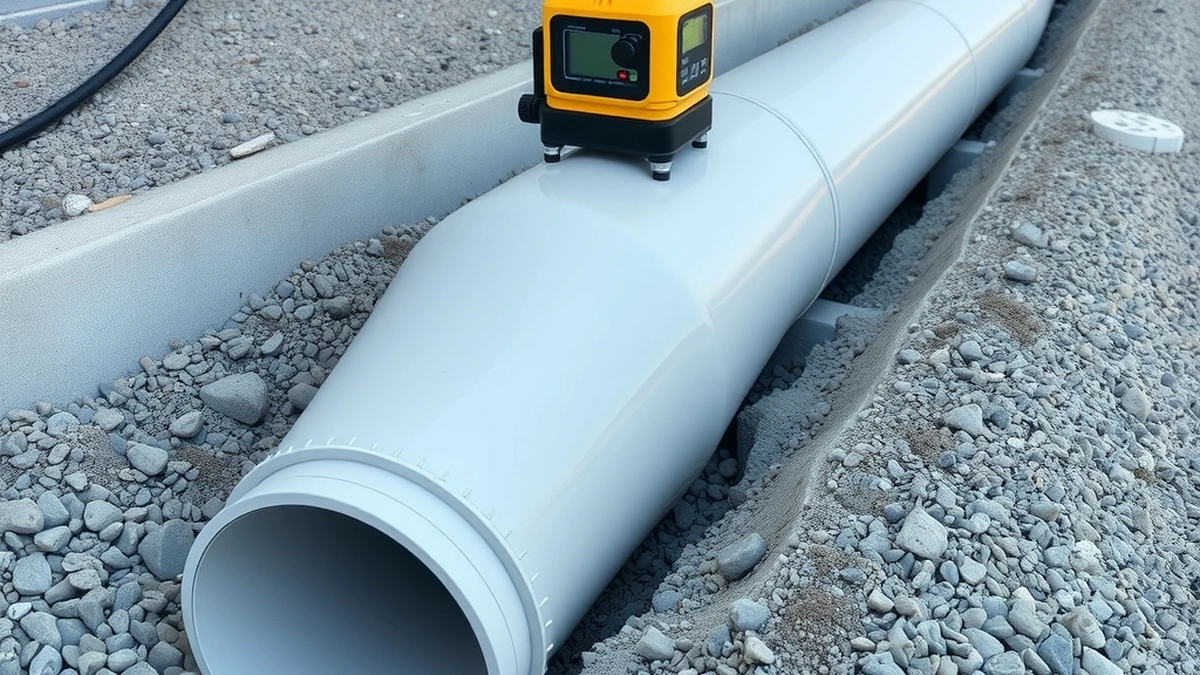
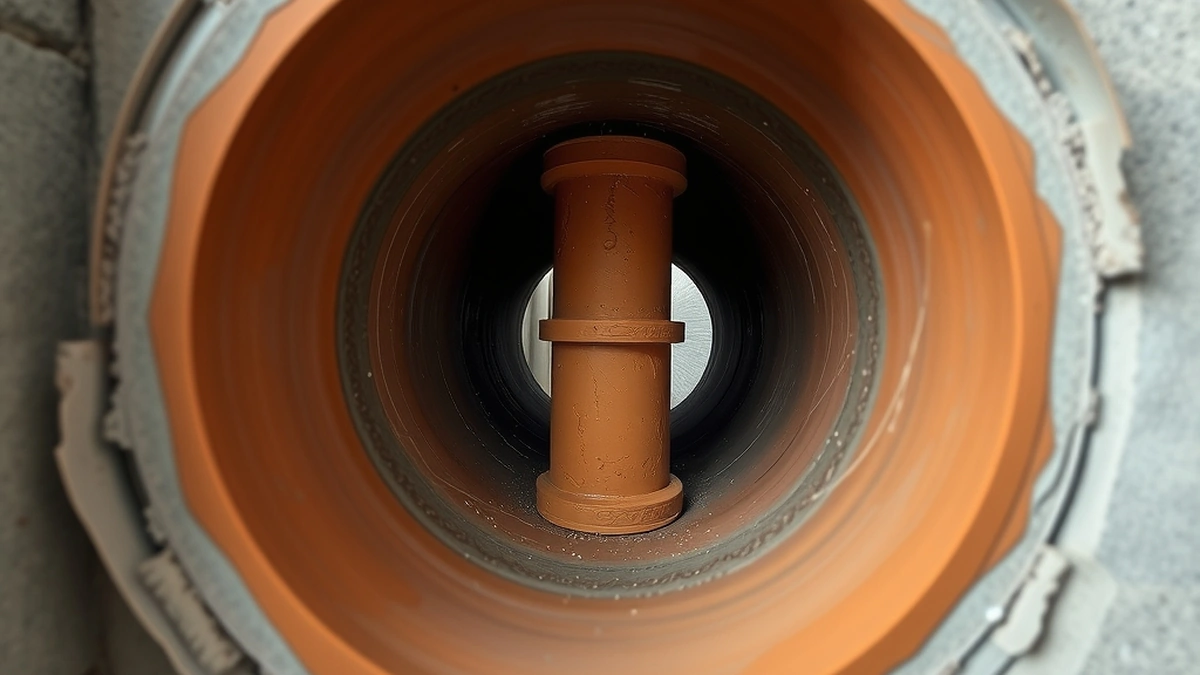
An offset joint is a place where two lengths of sewer pipe no longer line up, leaving a step or lip in the bore. The upstream pipe sits higher or lower than the downstream one, so the smooth cylindrical path is interrupted at that point.
Offsets come in two forms. A vertical offset is a drop or rise at the joint, usually caused by soil settlement under one section. A horizontal offset is a sideways shift, usually from ground movement or from pipe laid with a poor connection. Both create a ledge where water slows and solids catch.
The joint is also where root entry starts, because the gap is the only opening in an otherwise continuous pipe. That makes an offset joint a two-part problem: the step that catches debris, and the gap that admits roots and leaks soil.
The four repair options
| Option | Typical cost | What it does | When it applies |
|---|---|---|---|
| Mill the lip | $300–$800 with cleaning | Grinds the step smooth from inside | Small offset, sound pipe, no separation |
| Spot repair | $1,500–$5,000 | Cuts out the joint, couples in new pipe | Separated joint, large step, root damage |
| Trenchless lining | $4,000–$12,000 | Seals the joint and smooths the bore | Multiple offsets, leaking joints, round pipe |
| Replacement or bursting | $5,000–$15,000 | New pipe along the run | Repeated offsets, collapsed profile, end of life |
The cheapest option is often the right one, which is unusual in sewer work. A small vertical offset on a clay line that has not caused a backup in 20 years does not need $12,000 of lining. It needs to be noted on the camera report and watched.
Grinding: what it can and cannot do
A milling or grinding head is a rotating cutter run through the line on a cable. It shaves the protruding lip back to roughly the pipe’s inner diameter, so solids no longer catch on it.
Grinding works on small steps and on hard materials like clay and cast iron. It does not close the gap, so roots can still enter, and it does not lift a dropped pipe back into line. What it buys is flow: the ledge that was trapping paper and grease is gone.
The tooling is usually run as part of, or immediately after, a cleaning visit at $300 to $800. Ask whether the contractor carries a milling head before you book, because many drain-cleaning firms only have augers and jetters, and an auger pushed against an offset ledge is how pipes get broken.
Spot repair: cutting out the joint
A spot repair removes the problem rather than smoothing over it. The crew excavates at the joint, cuts out a short length spanning the offset, and couples in new pipe with flexible couplings so the two ends can move slightly without separating again.
At $1,500 to $5,000, the price tracks depth and surface. On a 8-foot-deep repair, the arithmetic is $4,000 of pipe and excavation work, or $500 per foot of a short run, plus $600 of concrete restoration for $4,600. That per-foot number is meaningless against a whole-run quote; it only compares to another quote for the same footage.
A spot repair is the right answer when the joint has separated, when grinding has already been tried and the clog returned, or when the pipe on either side is sound and the offset is isolated.
Lining and replacement
Lining at $4,000 to $12,000 addresses the whole run rather than one joint. It cures a resin tube against the inside of the existing pipe, sealing every joint it crosses and leaving a smooth bore. On a clay line with five or six offsets, that is often cheaper than five spot repairs.
Two conditions apply. The pipe must still be round enough to receive the liner, and the joints must not have separated so far that there is a void to cure across. A liner bridging a genuine gap will sag into it, and the result is a new defect in a new place.
Replacement at $5,000 to $15,000 is the last rung. It is used when the offsets come with a lost profile, when the pipe is Orangeburg or badly corroded cast iron, or when the run has enough defects that piecemeal repair no longer makes sense.
Comparing a two-joint job
Take a 55-foot clay run with two offsets, each catching solids once a year.
Two spot repairs at $3,200 each is $6,400, plus two restorations at $700 each, for $7,800. Lining the same 55 feet at $8,000 plus a $400 inspection is $8,400. The gap is $600, and the lining covers every other joint on the run as well.
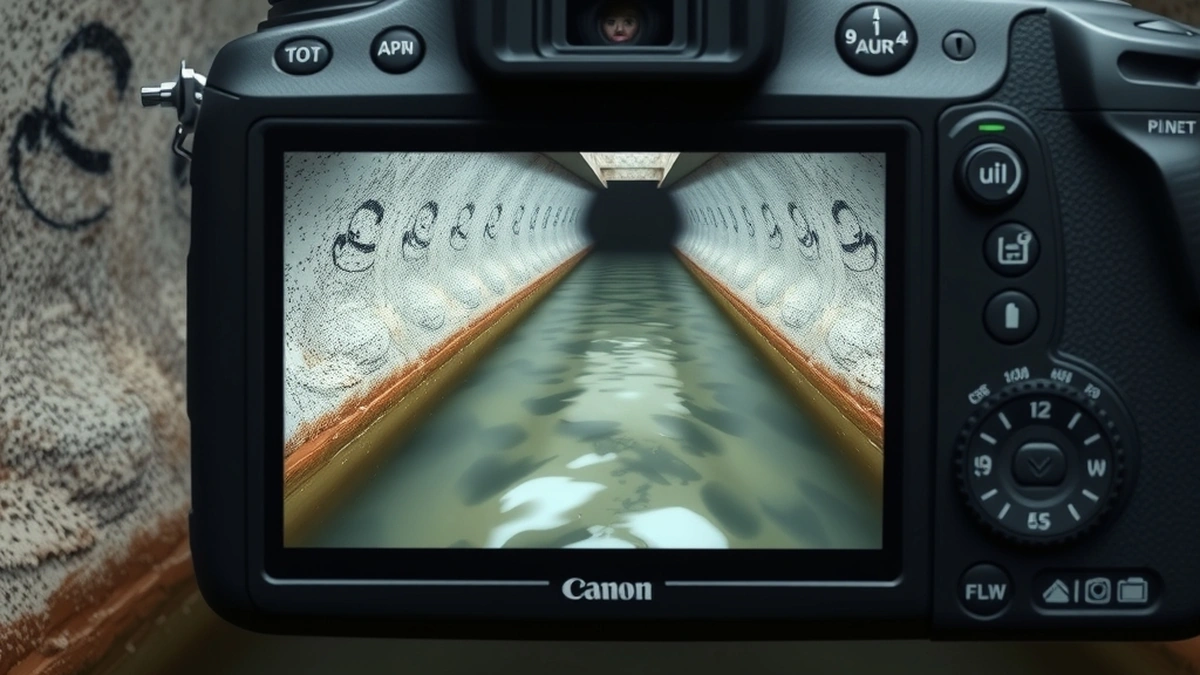
Now change one variable: make the offsets shallow enough to grind. Two milling visits at $500 each is $1,000, and the line drains. That is the cheapest outcome by a wide margin, and it is why the camera report needs to state the size of the step rather than just the word “offset”.
What to do next
- Get a camera inspection at $200 to $500 and ask for the footage, the step size, and whether the joint has separated.
- Have the line jetted at $300 to $800 so roots and grease do not hide the joint condition.
- Ask whether the offset is small enough to mill, and get that priced against a spot repair.
- If there are three or more offsets, price lining at $4,000 to $12,000 and replacement at $5,000 to $15,000 before approving several spot repairs.
- Confirm what the warranty covers, particularly root re-entry at a repaired joint, and get it in writing.
The installation details that prevent the next offset are in offset joints prevention, and the symptoms to watch for are in offset joints warning signs. Pricing by line item is in offset joints cost. If the joint has gone beyond a step into a crushed wall, start with collapsed pipe warning signs instead, and for the method overview see types of sewer line repair.
Frequently asked questions
What is an offset joint in a sewer line?
An offset joint is a joint where two pipe sections no longer line up, leaving a step or lip in the bore. It catches solids, lets roots enter, and can leak soil into the line, but a small step is often harmless.
Can an offset joint be repaired without digging?
Sometimes. A small lip can be ground smooth with a milling tool during a cleaning visit at $300 to $800, or bridged with a liner at $4,000 to $12,000 if the pipe is otherwise sound. A large offset with separated pipe needs excavation.
How much offset is too much?
As a working rule, a step of about a quarter of the pipe diameter or more is worth repairing, and anything that stops a camera or catches a snake is already a problem. Below that, monitor at each inspection instead.
Does an offset joint always need repair?
No. Many older clay lines have small offsets that have caused no trouble for decades. Repair is justified when the joint produces repeat clogs, root entry, or visible soil loss, not simply because the camera shows a step.
Why do roots grow at offset joints?
The joint is the weakest point and often the wettest. Roots follow moisture, enter the gap, and widen it as they grow. Once inside, the root mass catches paper and grease, which is why the clog appears at that footage every time.
Can lining fix a separated joint?
Only if the joint still holds together. A liner spans the gap and seals it, but if the two pipe ends have separated far enough to leave a void, the liner has nothing to cure against and the joint needs a spot repair at $1,500 to $5,000 first.
Sources
Some links are affiliate links.If you buy through them we may earn a commission at no extra cost to you. We do not accept payment for rankings. Read the full disclosure.