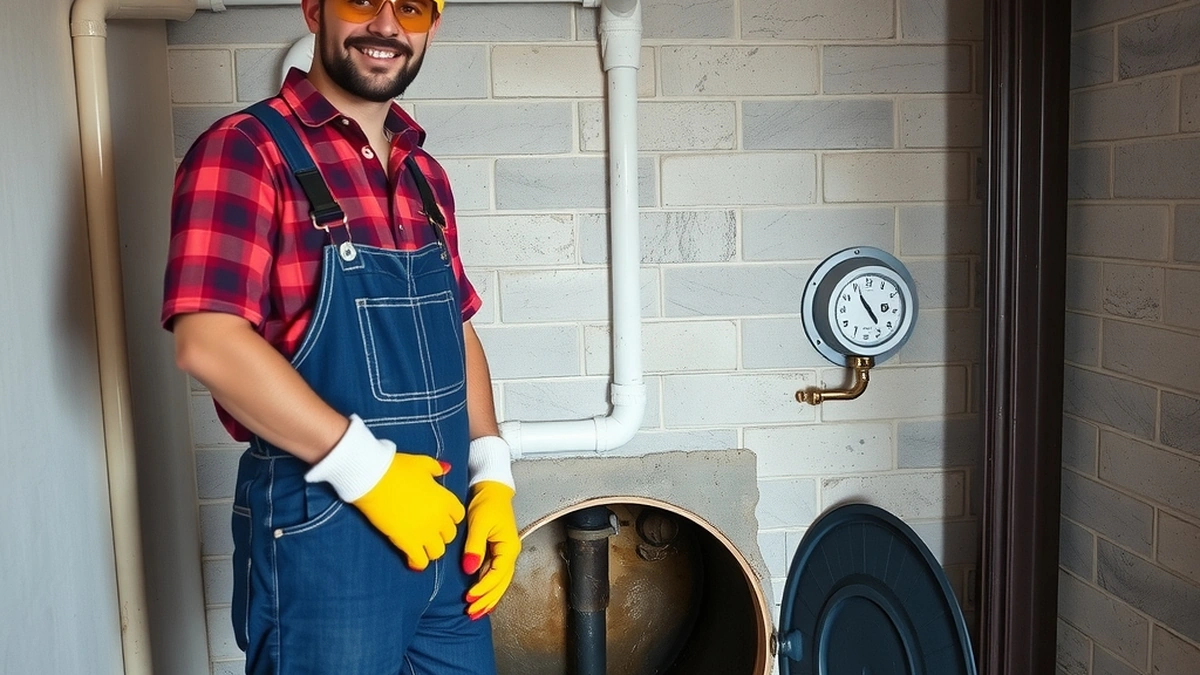
Pipe bursting installation: pits, pull, and new pipe
How pipe bursting installation works on a house line: two pits, utility locates, a bursting head pulled through the old pipe, fused HDPE behind it, and tests.
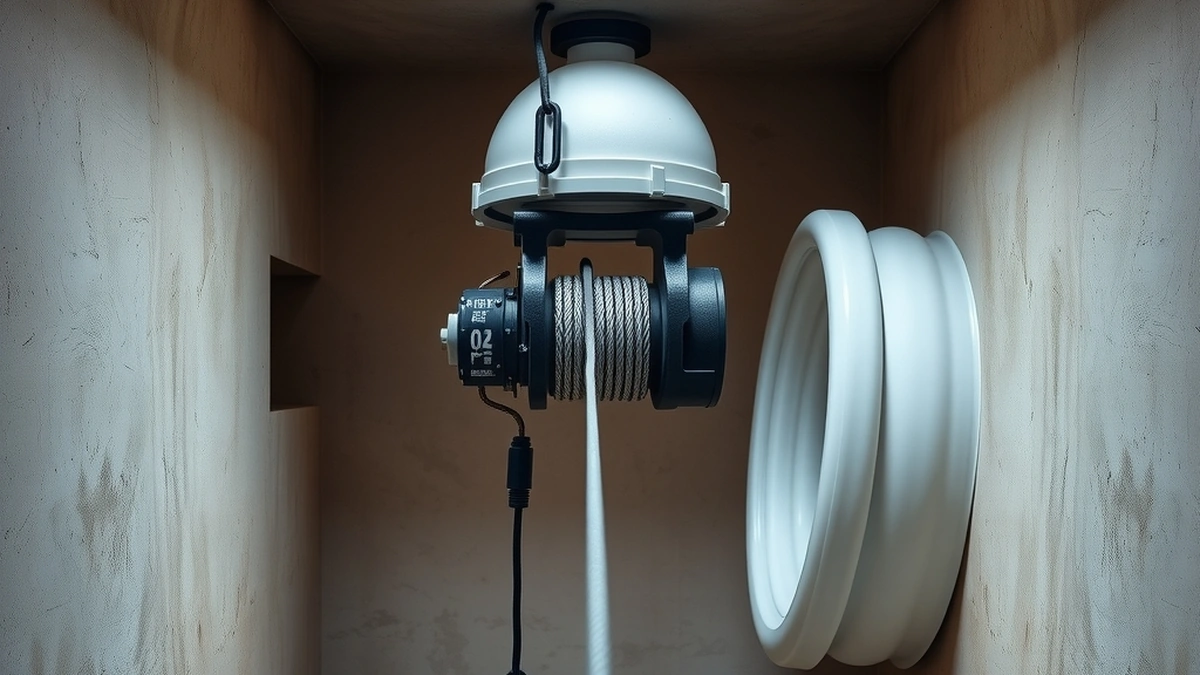
Pipe bursting installation digs two pits, pulls a steel head through the old pipe with a winch, and drags fused HDPE in behind it. A residential run takes one to two days and costs $5,000 to $15,000.
- Pipe bursting, total
- $5,000–$15,000
- Camera inspection
- $200–$500
- Access pits
- 2
- On-site time
- 1–2 days
Some links on this page are affiliate links.If you buy through them we may earn a commission at no extra cost to you. We do not accept payment for rankings. Read the full disclosure.
Pipe bursting installation replaces a sewer line without opening a trench along it: the crew digs a pit at each end, pulls a hardened steel head through the old pipe to shatter it outward, and drags a new polyethylene pipe into the cavity behind. A normal residential run is a one to two day job, and the total cost lands in the $5,000 to $15,000 replacement band after a $200 to $500 camera inspection.
What is being installed, and what is being destroyed
Pipe bursting is a replacement method, not a repair. The existing pipe, whether clay tile, cast iron, concrete, or Orangeburg, is sacrificed. The bursting head is larger than the old bore, so it fractures the pipe wall and compresses the fragments into the surrounding soil.
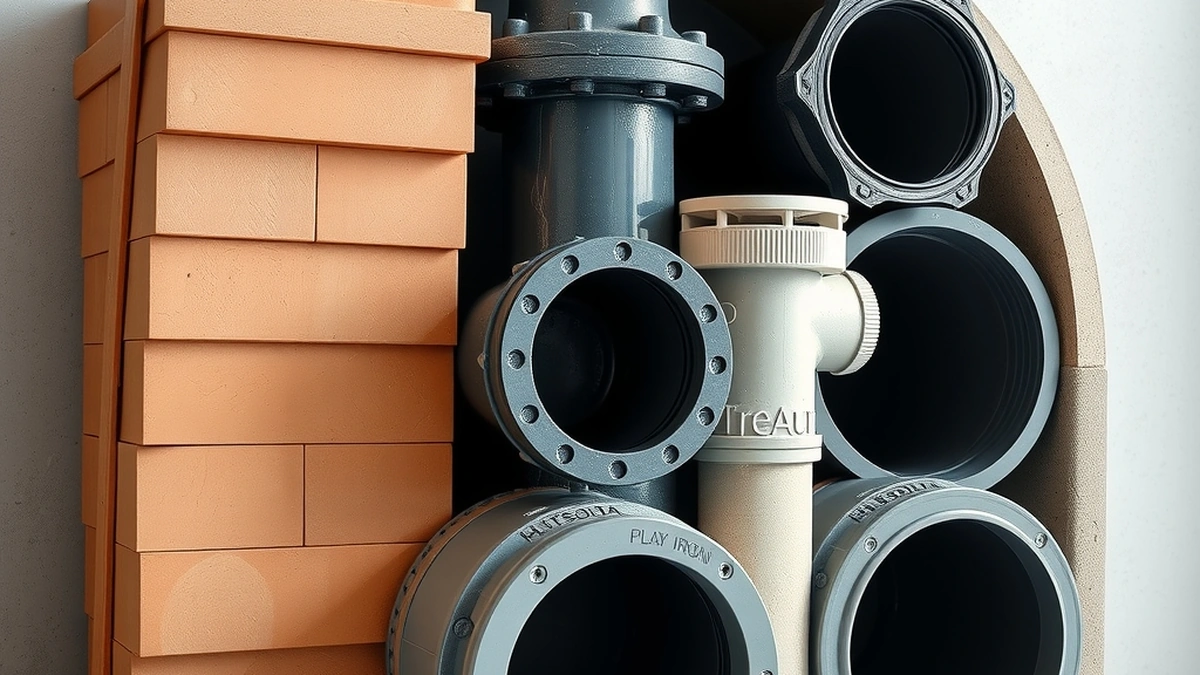
Behind the head comes the new pipe, almost always high-density polyethylene joined by heat fusion. Fused joints are the point: the finished line has no joints for roots to enter along its length, which is the failure mode that started the job in most clay and Orangeburg lines.
The pipe is supplied in coils for smaller diameters and in sticks for larger ones. Coils mean fewer fusion joints, which is one reason crews prefer them on residential lengths.
Static or pneumatic: two ways to pull
| Type | How it works | Where it fits |
|---|---|---|
| Static | A winch pulls a cone-shaped bursting head through the pipe by rod or cable | Long runs, precise grade control, most residential work |
| Pneumatic | A compressed-air tool hammers its way through, pulling pipe behind it | Short runs, some municipal work, soils that resist a steady pull |
Static bursting dominates house lines because the pull is controlled and the grade can be held. Pneumatic tools are faster in some ground but harder to steer and generally noisier. Either way, the pit at the receiving end has to be sized to receive the head and the pipe.
The installation sequence
- Inspect and locate. A camera pass at $200 to $500 confirms footage, depth, material, and whether the pipe has collapsed. Utility locates are booked so gas, water, electric, and fiber are marked before anyone digs.
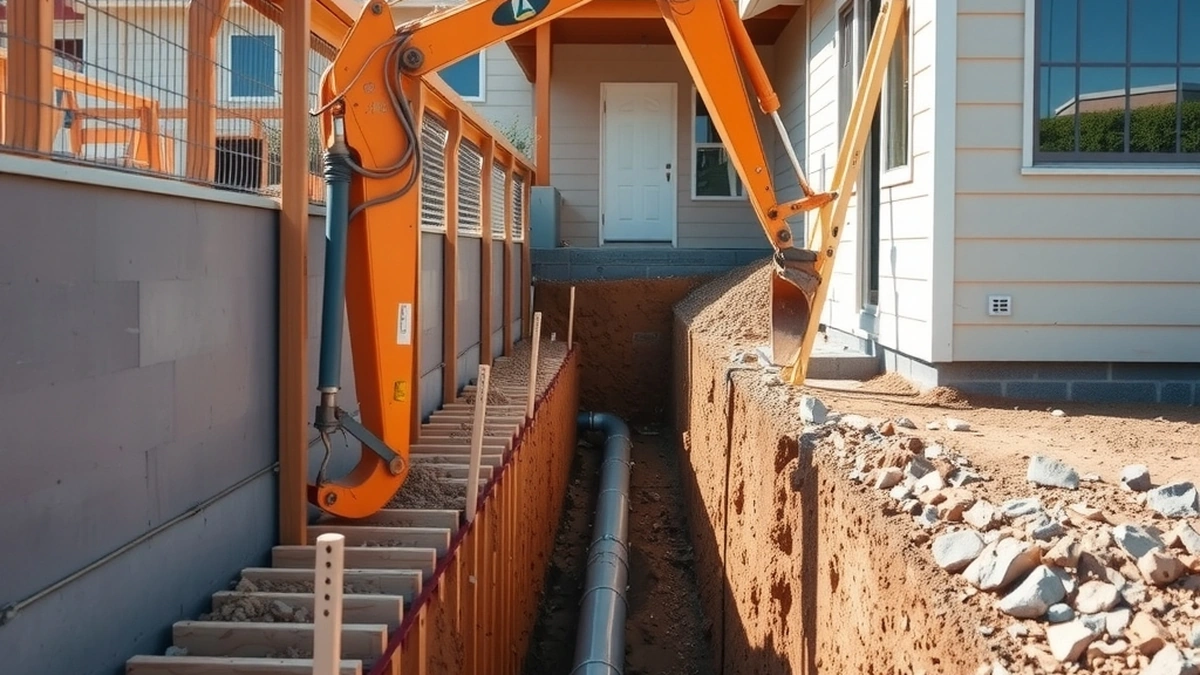
- Dig the pits. An entry pit at the upstream end and a receiving pit at the downstream end, plus a small launch point for the rod. Pits are shored where depth or soil requires it.
- Set the winch and rod. The winch is anchored, the rod or cable is threaded through the old pipe, and the bursting head is attached at the far end.
- Pull the head through. The head fractures the old pipe and expands the bore slightly, towing the new HDPE behind it. The crew monitors pulling force and alignment throughout.
- Reconnect the services. Each wye and branch is exposed in the pits or cut in and fused, then the new line is connected to the house and to the municipal main.
- Test and camera. The new line is flushed, checked for grade and flow, and camera-inspected. Pits are backfilled and compacted, then the surface is restored.
Pulling force is the number that matters during the pull. A force that climbs sharply usually means the head has hit a collapsed section, a fitting, or a utility crossing, and stopping early is cheaper than snapping a rod.
Pits, depth, and the parts of the yard that move
Two pits is the normal count, but a long run or a sharp change in direction may need a third. Pit depth follows the pipe, so a line 8 feet down means an 8-foot hole with shoring, a ladder, and a pump if the ground is wet. That single fact explains most of the spread between a $6,000 quote and a $14,000 quote on similar footage.
The surface damage is limited to the pits. A driveway with a pit at each end gets two patches, not a full replacement. A lawn gets two squares of sod. Compare that with open trench, where the entire run is opened and restored, and the price difference on a concrete lot becomes obvious.
Service connections and upsizing
Every service connection on the run has to be re-established. On a short residential line there may be one, at the house. On a line serving two properties or a rear addition there may be three.
Upsizing is the other reason to choose bursting over lining. Going from a 4-inch clay line to a 6-inch HDPE line increases capacity and is common where the original line was undersized for the fixture count. The limit is the soil and the proximity of other utilities; a head that expands too much can heave the ground surface or damage a nearby gas line. That is what the locates are for.
Inspection, grade, and sign-off
The new pipe has to be at grade, meaning it falls continuously toward the main. A sag holds water and solids and behaves exactly like the belly in the old pipe. The camera pass at the end is the check, and a crew that skips it is asking to be trusted on invisible work.
Ask for the recording, the pipe material and diameter, the footage, and the fusion joint count. Keep all four with the warranty. If the line needs attention later, those documents tell the next contractor what is underground, which matters because a bursting head cannot be run through HDPE without a different method.
What to do next
- Book the camera inspection at $200 to $500 before agreeing to any method.
- Confirm the utility locates are ordered, and ask who is responsible for them.
- Get the pit count, depth, and locations in writing before work starts.
- Ask whether upsizing is proposed, and why.
- Withhold final payment until the post-installation camera recording is handed over.
- Photograph the pits and the new pipe before backfill, and keep the photos.
Costs are broken down in pipe bursting cost, the failure modes are in pipe bursting problems, and the alternative is compared in pipe bursting vs trenchless lining. For the wider price picture, see sewer line repair cost.
Frequently asked questions
How does pipe bursting installation work?
A bursting head is pulled through the existing pipe from a winch pit, fracturing it outward into the soil, while a new HDPE pipe is towed into the space behind the head and left in place.
How long does pipe bursting take?
A residential line is usually one to two days on site, including pit digging, the pull, reconnecting services, and backfill. Deep pits, concrete, or wet soil can add a day.
Does pipe bursting damage the yard?
Less than open trench, but not nothing. Two pits are opened, typically at each end of the run, and the lawn or pavement above them is restored. The rest of the run stays undisturbed.
Can pipe bursting go under a driveway?
Yes, and that is one of its main advantages. The pull passes beneath the slab without cutting it, which is why bursting often beats open trench on lots with concrete over the line.
What pipe is installed during bursting?
High-density polyethylene, supplied in coils or sticks and joined by heat fusion so the new line has no joints along the run. PVC is used in some systems but HDPE dominates.
What happens to the old pipe?
It is fractured and pushed into the surrounding soil, where it stays as rubble around the new pipe. Nothing is removed from the run except what is cut at the pits.
Sources
Some links are affiliate links.If you buy through them we may earn a commission at no extra cost to you. We do not accept payment for rankings. Read the full disclosure.