Pipe bursting problems: what goes wrong underground
Ground heave, utility strikes, stalled pulls, and torn service connections are the pipe bursting problems that matter. Causes, signs, and repair costs.
Pipe bursting problems come from what is buried beside the line: ground heave, utility strikes, torn service connections, and pulls that stall on a collapse. Fixes run $1,500 to $5,000, or $5,000 to $15,000 to redo.
- Spot repair after a problem
- $1,500–$5,000
- Redoing the run
- $5,000–$15,000
- Diagnostics camera pass
- $200–$500
- Utility locate before digging
- Free (811)
Some links on this page are affiliate links.If you buy through them we may earn a commission at no extra cost to you. We do not accept payment for rankings. Read the full disclosure.
Pipe bursting problems are almost always about the ground around the pipe rather than the new pipe itself. The head displaces soil, the pull shakes everything attached to the run, and anything buried close by can be affected. Most of the failures are preventable with locates, correct pit design, and a crew that stops when the pulling force climbs instead of forcing it.
The failure modes, and how they show
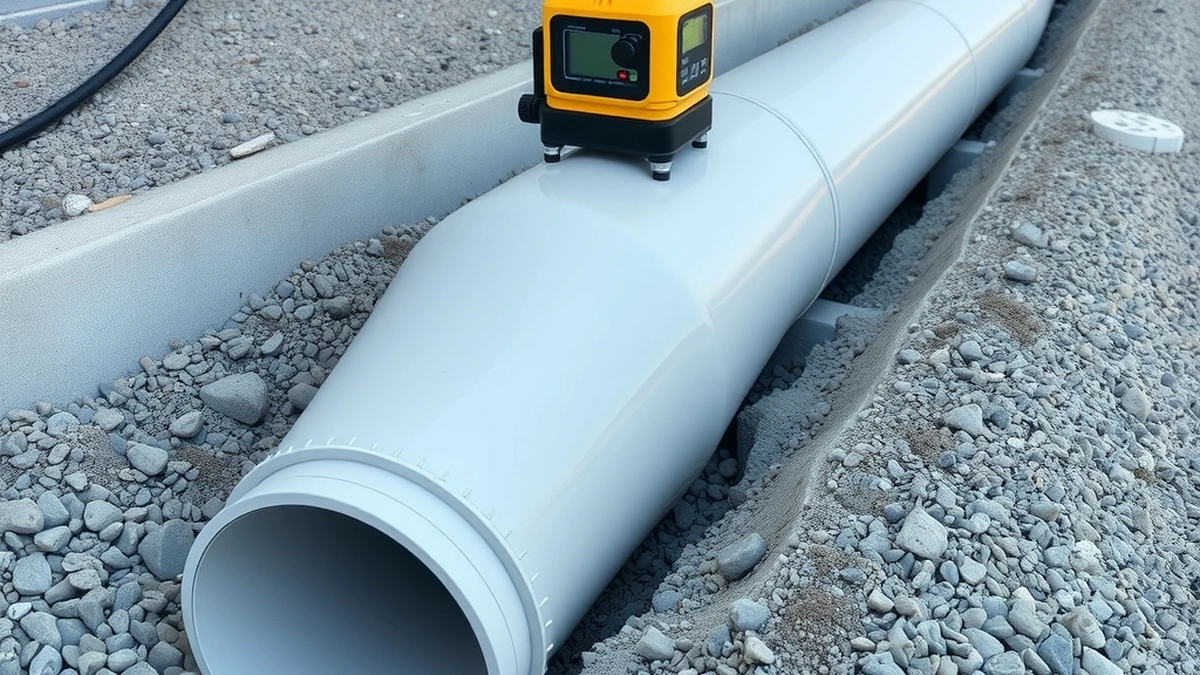
Pipe bursting is a replacement method that fractures the old pipe outward and tows a new high-density polyethylene line into the cavity. The new pipe is usually sound. What fails is the surrounding soil, the services crossing the run, or the connections hanging off it.
| Problem | Warning sign | Usual cause |
|---|---|---|
| Ground heave | Sod lifts, pavement cracks, patio slabs rise | Shallow cover, loose fill, or upsizing without checking depth |
| Utility strike | Sudden loss of water pressure, gas smell, cable outage | Inaccurate locates, or services crossing closer than assumed |
| Torn service connection | Sewage at the foundation, wet patch near the house | Pull vibration on an already fragile connection |
| Stalled pull | Winch load climbs and stops advancing | Collapsed section, a fitting, or a root mass the head cannot pass |
| Pit collapse | Sidewall sloughing, water in the pit | Missing shoring, sandy soil, or groundwater |
| Wrong grade | Standing water in the new line | Head deflection, or the receiving pit set too high |
| Surface settlement | A dip appears over the run weeks later | Soil displaced by the head was not compacted at the pits |
Three of those seven are design failures, three are execution failures, and one is a maintenance issue that shows up late. None of them are random.
Ground heave is the one homeowners notice
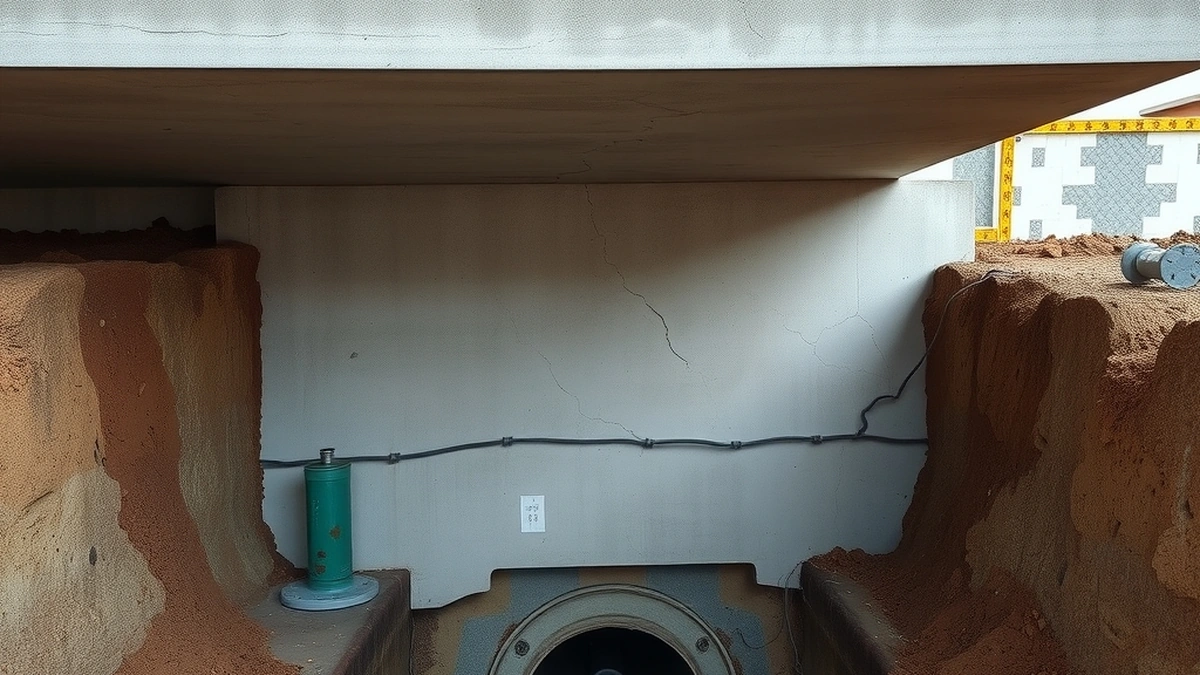
The head is larger than the old pipe, so it has to put that extra volume somewhere. Usually the soil absorbs it. When the line is shallow, when the fill is loose, or when the new pipe is a size larger, the displacement reaches the surface and lifts whatever sits on top.
A patch of lifted sod is cosmetic. A cracked driveway is a $2,000 to $5,000 restoration problem on top of the job. A lifted slab against a foundation is worse, because it can redirect drainage toward the house.
This is a pre-construction question, not a post-construction complaint. Ask what the depth of cover is, whether the bore is being upsized, and what the crew will do if heave starts. A crew that has an answer has done this before.
Utility strikes and the locates that prevent them
Every state runs a free locate service, usually reached by dialing 811 a few business days before digging. The marks tell the crew where gas, water, electric, and communications lines run. They do not tell the crew how deep those lines are, and they do not cover private lines on the property, such as a lawn irrigation main or a line to a detached garage.
The sewer usually sits deeper than the other services, which is what makes bursting work. Where a water or gas line crosses close to the sewer, the head can catch it. That is the scenario the crew is watching for, and it is why a contractor who wants to start digging the same day is a contractor to avoid.
If a strike happens, the utility is made safe first, then repaired by the utility or a licensed trade. Nothing about the sewer job continues until that is done.
Stalled pulls and what they mean
Pulling force is logged for a reason. A steady load is normal. A load that climbs sharply means the head has met something it cannot pass: a collapsed section of clay tile, a forgotten fitting, a root mass, or a utility crossing.
The correct response is to stop and find out what it is. The wrong response is more winch. A snapped rod or cable can whip, and a head pulled off line can leave the new pipe out of grade, which means digging up the run you paid to avoid digging up.
Connections, pits, and the safety line
Each service connection is a weak point because it was never designed to be shaken. Crews expose them where they can and check them after the pull. A separated connection at the house shows up as a wet patch or a sewage smell at the foundation, and it is a $1,500 to $5,000 spot repair once it is found.
Pits are the other safety issue, and it is not a small one. A trench 5 feet deep or more needs a protective system, meaning shoring, sloping, or a trench box. Cave-ins are the reason excavation has its own set of federal safety rules, and a crew working an unshored 8-foot pit in wet soil is a crew to walk away from.
What the failures cost
Work the arithmetic on a mid-range job. A $9,000 bursting job that tears out a service connection needs a $2,400 spot repair plus a $350 camera pass, taking it to $11,750. If the pull stalls and the run has to be redone, the bill can reach the top of the $5,000 to $15,000 band before restoration.
Compare that with the cost of prevention. Locates are free. A camera inspection at $200 to $500 tells the crew about collapses before the winch is set. Shoring is a line item, not an extra. The entire prevention budget is smaller than one emergency call at $500 to $1,500 plus a repair.
What to do next
- Confirm the 811 locates were requested and that the marks are visible before digging starts.
- Ask for the depth of cover and whether the new pipe is being upsized.
- Require shoring or a trench box for any pit 5 feet deep or more.
- Ask how pulling force is monitored and what the crew does if it climbs.
- Photograph the pits, the exposed connections, and the new pipe before backfill.
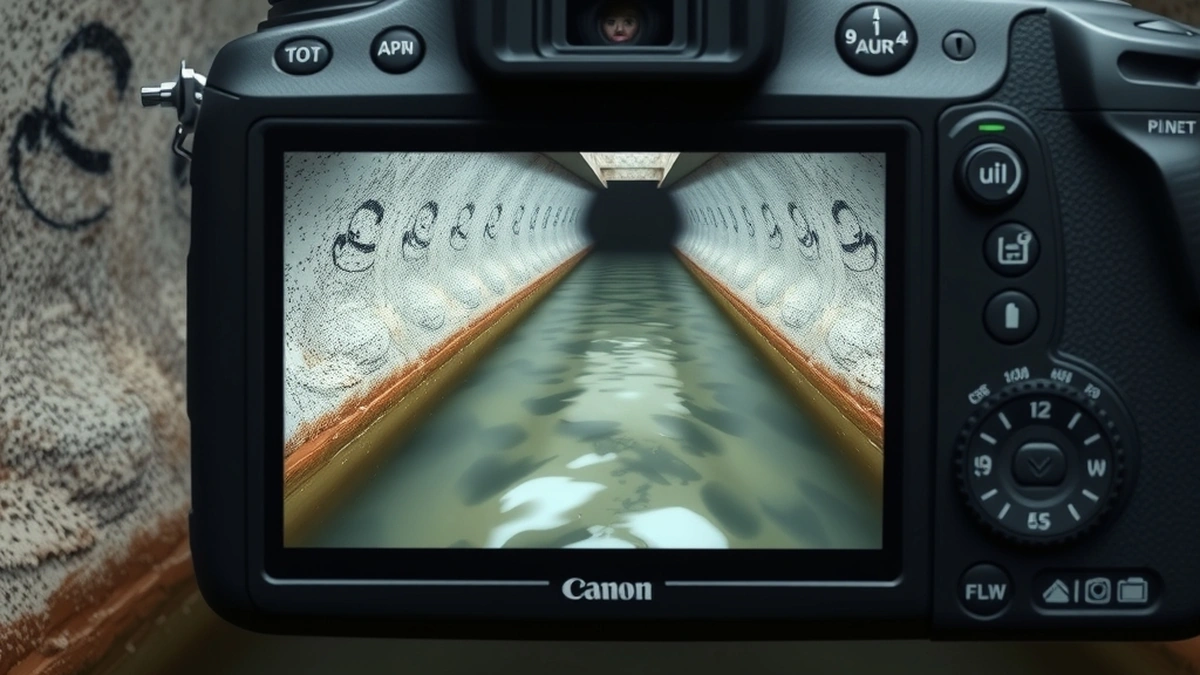
- Get the post-installation camera recording before final payment.
The method is described in pipe bursting installation, the price bands are in pipe bursting cost, and the comparison against lining is in pipe bursting vs trenchless lining. If the concern is a line that has already failed, start with broken sewer line repair.
Frequently asked questions
What can go wrong during pipe bursting?
The common problems are ground heave at the surface, a utility line struck by the head, service connections pulled loose, a pull that stalls on a collapsed pipe, and a pit that was not shored properly.
Why does the ground heave during pipe bursting?
The bursting head displaces soil outward as it passes. In shallow lines or loose fill, that displacement reaches the surface and lifts pavement, sod, or a patio, especially where the new pipe is upsized.
How likely is a utility strike during pipe bursting?
The risk depends on the accuracy of the locates and the distance between the sewer and other services. Gas and water lines crossing close to the sewer are the main hazard, which is why locates are mandatory before digging.
Can pipe bursting damage the connection to the house?
Yes. The pull shakes the whole run, and a connection that was already fragile can separate. Crews expose and check each connection, and a repair falls in the $1,500 to $5,000 spot repair band.
What happens if the bursting head stalls?
The crew stops, relieves the pull, and cameras or excavates the obstruction. Forcing it can snap a rod or damage the new pipe, and the recovery can turn a one-day job into three.
Does pipe bursting damage foundations or driveways?
It can, when the head passes close to a slab or footing and the soil displaces upward. That is a design question answered before work starts by depth, soil type, and whether the pipe is being upsized.
Sources
Some links are affiliate links.If you buy through them we may earn a commission at no extra cost to you. We do not accept payment for rankings. Read the full disclosure.