Pipe bursting vs trenchless lining: which fits
Pipe bursting replaces the pipe for $5,000 to $15,000; lining builds a new wall inside it for $4,000 to $12,000. How condition, diameter, and access decide.
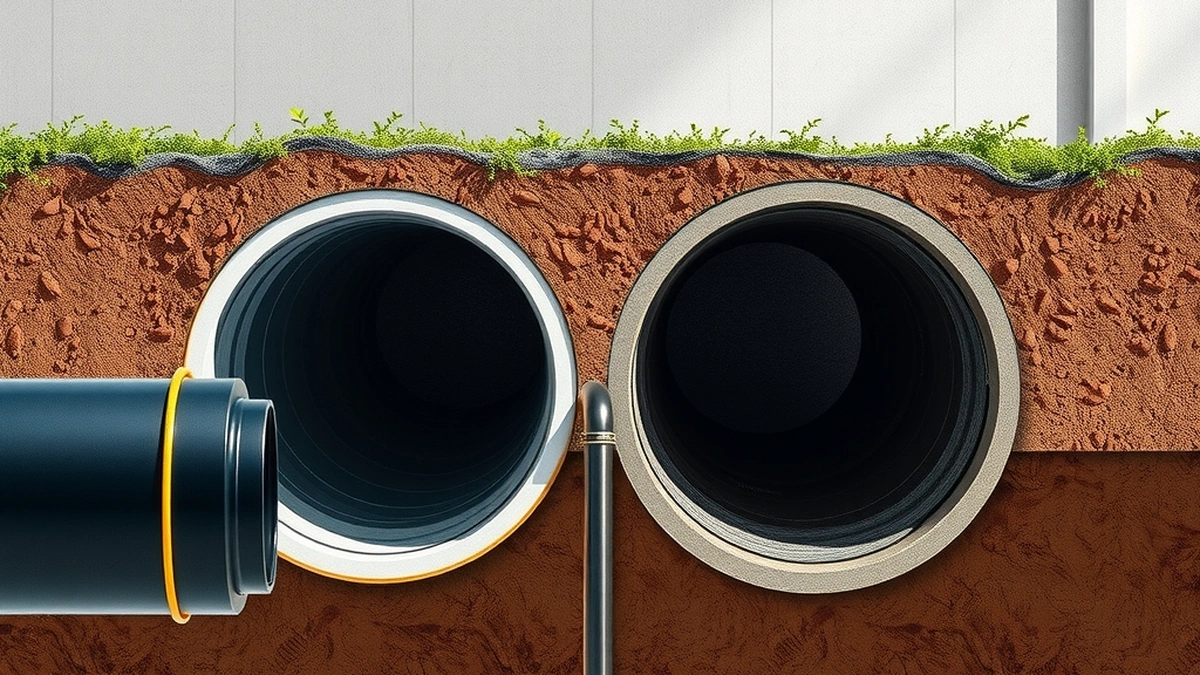
Pipe bursting replaces the pipe at $5,000 to $15,000 and can add diameter; lining builds a new wall inside it at $4,000 to $12,000 and loses a little bore. Lining suits a sound pipe, bursting a collapsed one.
- Trenchless lining
- $4,000–$12,000
- Pipe bursting
- $5,000–$15,000
- Camera inspection
- $200–$500
- Open-trench replacement
- $5,000–$15,000
Some links on this page are affiliate links.If you buy through them we may earn a commission at no extra cost to you. We do not accept payment for rankings. Read the full disclosure.
Pipe bursting and trenchless lining both avoid a trench along the run, and they are not variations of the same job. Bursting destroys the old pipe and replaces it at $5,000 to $15,000. Lining leaves the old pipe in place and cures a new wall inside it at $4,000 to $12,000. Condition, diameter, and access decide which one is available to you, not preference.
The core difference in one paragraph
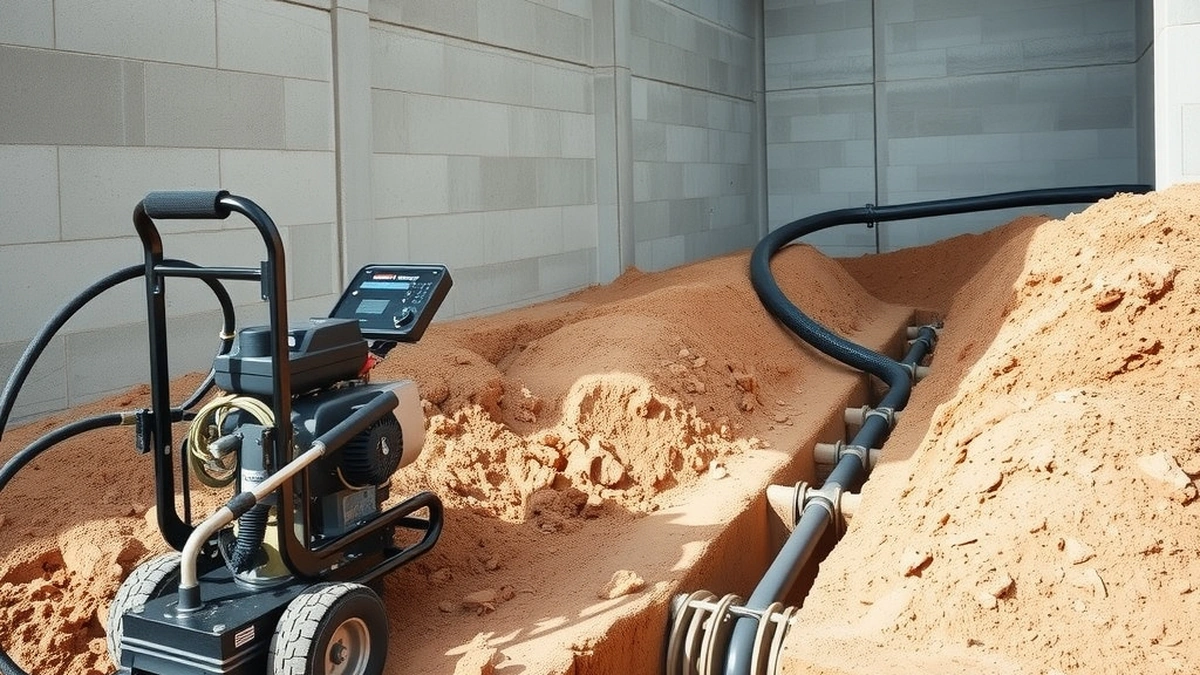
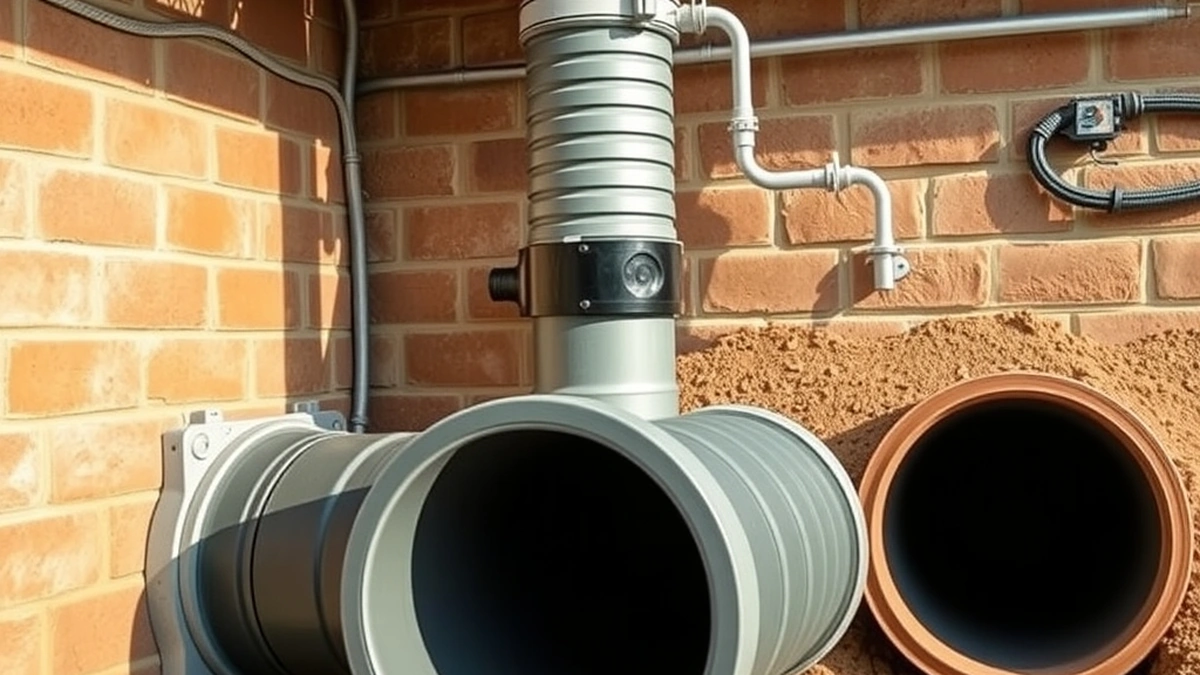
Trenchless lining is a repair method that installs a resin tube inside an existing sewer pipe and cures it against the wall. Pipe bursting is a replacement method that pulls a cutting head through the old pipe to fracture it outward, then tows a new high-density polyethylene line into the space behind. One preserves the host pipe; the other removes it as a structural element.
That difference drives everything that follows: cost, diameter, excavation, and what the warranty is really covering.
Side by side
| Aspect | Trenchless lining | Pipe bursting |
|---|---|---|
| What happens to the old pipe | Stays in place as the host | Fractured into the surrounding soil |
| Typical cost | $4,000–$12,000 | $5,000–$15,000 |
| Access needed | Cleanout, sometimes one small pit | Two pits, plus a rod entry |
| Effect on diameter | Small loss of bore | Same or one size larger |
| Fits a collapsed pipe | No | Yes |
| Surface disturbance | Minimal | Two pits, and possible heave along shallow runs |
| Joints after the job | None inside the liner | None, fused HDPE |
| Main risk | Liner defects from poor preparation | Utility strikes, heave, torn connections |
Both methods produce a jointless result, which is why both are sold as root-proof. The difference is what happens underneath: a liner’s performance depends on the host pipe it is bonded to, while a burst line’s performance depends on the new pipe and the grade it was pulled to.
The money, worked out
A 55-foot line under a lawn, with a camera inspection and a jetting pass before either method:
- Lining: $7,600 plus $350 inspection plus $450 jetting is $8,400.
- Bursting: $9,200 plus $350 inspection plus $450 jetting is $10,000.
- Open trench: $9,000 plus $400 inspection plus $1,800 of lawn restoration is $11,200.
Bursting costs $1,600 more than lining here, and $1,200 less than digging. The gap to lining is real but not enormous, which is why the decision should be made on condition and capacity rather than on price alone.
Change one variable and the order moves. A collapsed clay line cannot be lined at any price, so the lining quote does not exist and bursting becomes the cheapest correct answer. A line that must go from 4-inch to 6-inch cannot be lined into a larger bore, so bursting wins on capacity. A line that is sound but cracked along its length is a lining job, and paying $1,600 more for bursting buys nothing.
How to decide, in order
- Camera inspection at $200 to $500 establishes condition, diameter, and depth.
- If the pipe has collapsed, is back-pitched, or has lost its round shape, lining is out and bursting or open trench is in.
- If the bore is undersized for the fixtures, bursting with an upsizing head is the only trenchless way to gain capacity.
- If the pipe is round, cracked, and leaking but structurally present, lining is the cheaper correct answer.
- If the pipe is sound and the surface above it is open ground, compare against open trench, which can be cheaper still.
- If the surface above is concrete, both trenchless methods gain an advantage worth $2,000 or more.
The last two steps are where most quotes go wrong. A homeowner with a lawn and no hardscape is sometimes quoted trenchless work at a premium with no explanation. A homeowner with a driveway is sometimes quoted open trench, which then adds restoration that was never in the total.
What each warranty really covers
A lining warranty covers the liner as installed, inside a host pipe the installer inspected and accepted. It typically does not cover the host pipe failing further, roots entering outside the lined length, or damage from augers and caustic chemicals.
A bursting warranty covers the new pipe and the connections the crew made. It typically does not cover settlement, damage from later excavation by others, or a utility that was not located before the job.
Read both with the same question in mind: what is excluded? A ten-year warranty with six exclusions is worth less than a five-year warranty that covers the workmanship without argument.
What to do next
- Get the camera inspection at $200 to $500 and ask for the recording.
- Ask each contractor which method the pipe qualifies for, and which it does not.
- Get one quote for lining and one for bursting on the same footage.
- Compare totals including permits and restoration, then compare what the warranty excludes.
- Check the pit count and depth on the bursting quote before comparing it to lining.
- Keep both quotes and the recording in your house file for resale.
The installation detail is in pipe bursting installation and trenchless lining installation. The price bands are in pipe bursting cost and trenchless lining cost, and the failure modes are in pipe bursting problems.
Frequently asked questions
Is pipe bursting better than trenchless lining?
Neither is better in general. Lining at $4,000 to $12,000 is cheaper and enough when the pipe still holds its shape. Bursting at $5,000 to $15,000 is the right call when the pipe has collapsed or needs to be larger.
Does pipe bursting cost more than lining?
Usually yes, by roughly $1,000 to $3,000 on a comparable run. Bursting uses more equipment, two deeper pits, and a full length of new pipe, while lining uses the existing pipe as the host.
Can lining increase the pipe diameter?
No. Every lining method puts the new wall inside the old one, so the bore shrinks slightly. Increasing capacity requires pipe bursting with an upsizing head or an open-trench replacement.
Which method lasts longer?
Lining life is limited by the host pipe it is bonded to; bursting leaves new pipe along the run and removes the old material as a variable. Both should be judged on the warranty offered, not on a generic number.
Can a collapsed pipe be lined?
No. A liner needs a round host to cure against. A collapsed or badly deformed section has to be excavated, burst, or replaced, which is why the camera inspection at $200 to $500 comes first.
Which method disturbs the yard less?
Lining, usually. It needs only a cleanout or one small pit, while bursting needs two pits and displaces soil along the run, which can lift shallow pavement.
Sources
Some links are affiliate links.If you buy through them we may earn a commission at no extra cost to you. We do not accept payment for rankings. Read the full disclosure.