Sewage backup: repair options
Most sewage backups clear with jetting at $300 to $800. If the camera finds a broken pipe, the fix runs $1,500 to $15,000. What each option covers.
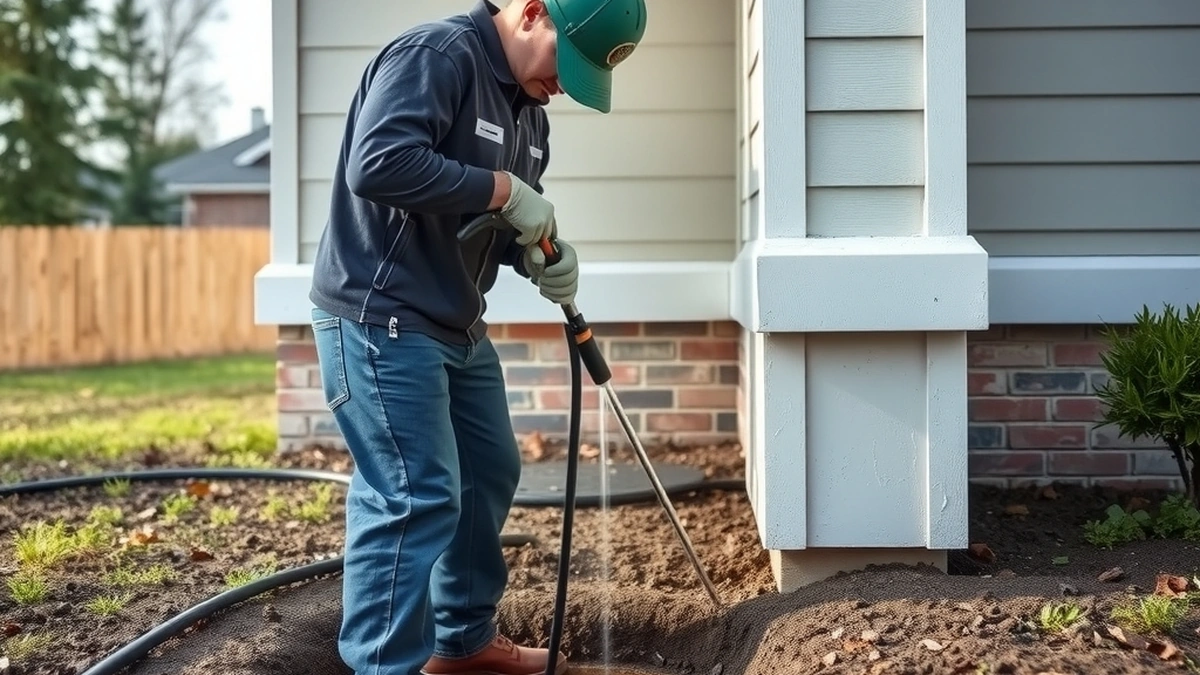
A sewage backup is repaired by clearing the line at $300 to $800 or an emergency call at $500 to $1,500, then fixing what the camera finds: a spot repair at $1,500 to $5,000, lining at $4,000 to $12,000, or replacement at $5,000 to $15,000.
- Emergency clearing
- $500–$1,500
- Camera inspection
- $200–$500
- Spot repair
- $1,500–$5,000
- Full replacement
- $5,000–$15,000
Some links on this page are affiliate links.If you buy through them we may earn a commission at no extra cost to you. We do not accept payment for rankings. Read the full disclosure.
A sewage backup is repaired in two stages: clear the blockage at $300 to $800, then fix the cause the camera finds. Most backups are grease, roots, or wipes and stop at the first stage. The ones that come back are a broken, sagging, or offset pipe, and those run $1,500 to $15,000 depending on the method.
What a sewage backup actually is
A sewage backup is wastewater that reverses into a building through a drain because the line downstream cannot carry it away. The line may be blocked, broken, or simply unable to handle the volume, and the lowest fixture in the house is where it shows first.
There are three distinct causes, and they are priced very differently:
A blockage is a filled pipe with an intact wall: grease, roots, wipes, or grit. Clearing restores full flow.
A structural defect is a broken, offset, sagging, or collapsed section. Clearing restores flow briefly, and the backup returns.
A surcharge is the municipal main running full, pushing water back up your lateral. Nothing in your pipe is wrong, and the fix is a backwater valve rather than a repair.
Telling them apart is the whole job, and it starts with a camera at $200 to $500.
The repair options, side by side
| Option | Typical cost | What it fixes | When it applies |
|---|---|---|---|
| Emergency clearing | $500–$1,500 | Blockage, after hours | Sewage entering living space |
| Scheduled jetting | $300–$800 | Grease, roots, wipes | Blockage during business hours |
| Camera inspection | $200–$500 | Nothing; it diagnoses | Every backup, before any repair |
| Backwater valve | Quoted separately | Municipal surcharge | Basement fixtures, repeated street backups |
| Spot repair | $1,500–$5,000 | One broken or offset section | Localised defect found on camera |
| Trenchless lining | $4,000–$12,000 | Cracked run, open joints | Pipe round, defects along the run |
| Full replacement | $5,000–$15,000 | Collapsed or failed run | No host pipe left to line |
The first two lines are the same work at different hours, and the gap between $300 and $1,500 is almost entirely scheduling. That is worth knowing before you call at 11pm.
Clearing first, and why the camera matters
Jetting uses high-pressure water to scour the pipe wall and flush the debris to a manhole. It is more thorough than an auger on grease and roots, and it is the right first move on almost every backup.
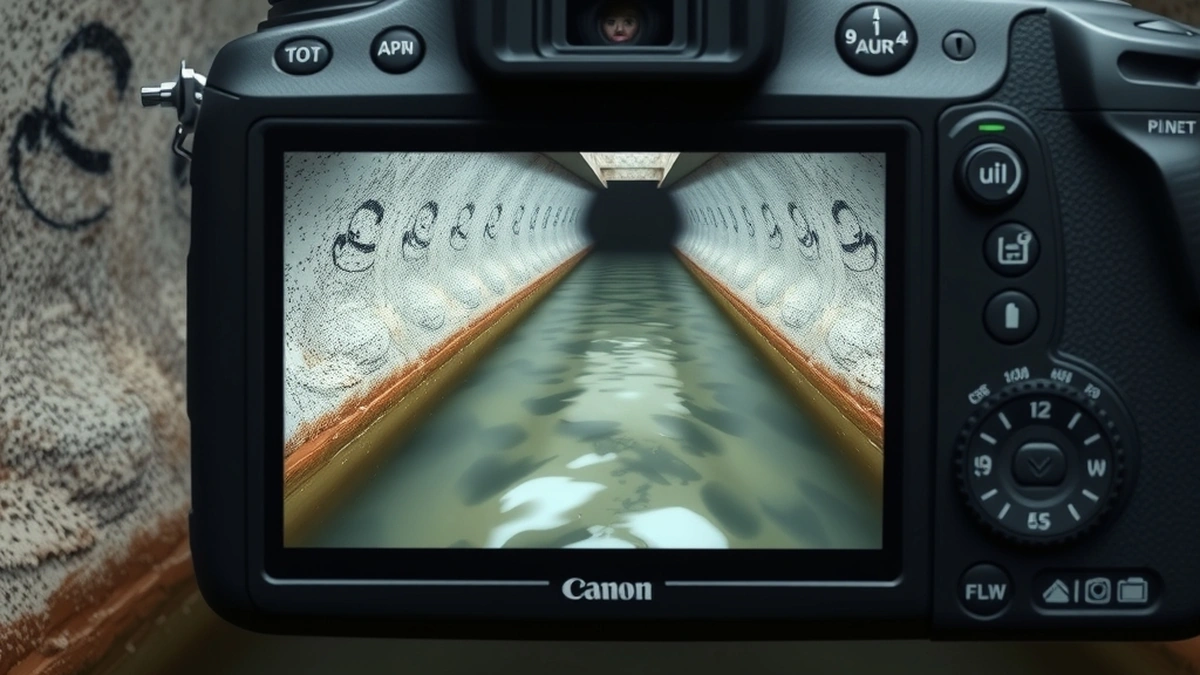
The camera comes immediately after, on the clean pipe, and it is the step homeowners skip. A clear line after jetting proves nothing about the pipe’s condition. A clear line plus a camera pass showing sound pipe at every joint means you have a maintenance problem. A clear line plus a camera pass showing a cracked section at 38 feet means you have a repair, and you know the footage before anyone quotes.
Ask for the recording. A verbal “looks fine” is not documentation, and if the backup returns in three months the video is what distinguishes a missed defect from a new one.
Structural repairs
When the camera finds a defect, three repair methods compete.
A spot repair at $1,500 to $5,000 cuts out one short section and couples in new pipe. It is the right answer for a single crack, break, or offset, and it is the cheapest structural fix.
Lining at $4,000 to $12,000 cures a resin tube against the inside of the existing pipe, sealing cracks and joints along the whole run. It needs a pipe that still holds its shape.
Replacement at $5,000 to $15,000 is used when the pipe has collapsed, when it is Orangeburg, or when the run has enough defects that piecemeal work no longer makes sense.
The arithmetic that decides between the first two: three spot repairs at $3,000 is $9,000, and lining a 60-foot run at $9,000 covers every joint on it. Once you pass three separate defects, ask for the lining price.
What to do the hour it happens
- Stop using water. No flushing, no laundry, no dishwasher, no showers.
- Keep people and pets out of the affected area, and do not run a shop vac or fan in standing sewage.
- Call the city if neighbours are backing up too, because the main is then their responsibility.
- Call for emergency service at $500 to $1,500 if sewage is entering living space, and ask for the price before the truck rolls.
- Once the line is clear, insist on a camera pass at $200 to $500 with a recording, and keep the file.
- Document the damage with photographs before cleanup starts, and call the insurer the same day.
Step six is time-sensitive. Most policies require prompt notice, and a water backup endorsement is often the only part of the policy that responds at all.
Blockage versus surcharge versus defect
These three produce the same wet floor and need completely different spending.
A blockage responds to clearing at $300 to $800 and stays clear. The camera shows an intact pipe.
A surcharge happens during heavy rain, affects the whole street, and clears on its own when the main drops. The camera shows a sound pipe, and the fix is a backwater valve on the basement fixtures, priced as a separate line item from any repair.
A defect keeps coming back. The camera shows the break, and the repair is $1,500 to $15,000.
If your backup happens in dry weather, it is almost certainly a blockage or a defect. If it happens only during storms and your neighbours are wet too, it is a surcharge, and no amount of pipe repair will stop it.
After the repair
Sewage-soaked drywall, insulation, and carpet are a disposal problem, not a cleaning problem. Porous materials that have been in contact with sewage come out. Hard surfaces get cleaned and disinfected, and the space gets dried before it is closed up.
Keep the camera recording and the repair invoice together. Both matter if the backup recurs inside the warranty period, and both matter at resale, where a documented sewer repair is a selling point rather than a disclosure problem.
The line-item pricing for each stage is in sewage backup cost, which breaks down the clearing, the diagnosis, and the repair separately. For the underlying defects, see offset joint repair options and collapsed pipe warning signs. The routine that keeps a cleared line clear is in sewer line repair maintenance, and sewer line repair versus drain cleaning explains when clearing stops being enough.
Frequently asked questions
What are the repair options for a sewage backup?
Clearing the blockage with jetting at $300 to $800 is the first step, then a camera inspection at $200 to $500 identifies the cause. From there it is a spot repair at $1,500 to $5,000, lining at $4,000 to $12,000, or replacement at $5,000 to $15,000.
Should I call a plumber or the city first?
Call the city if neighbours are also backing up, since the blockage is then in the municipal main and is their responsibility. If the backup is only in your house, the blockage is on your line and a private contractor handles it.
Is a sewage backup an emergency?
Yes when sewage is entering living space. Stop using water, keep people and pets out of the affected area, and call for emergency service at $500 to $1,500. A backup confined to an unfinished basement floor drain can usually wait for a scheduled visit.
Does a backwater valve stop backups?
It stops municipal surcharge from entering your basement, which is a different problem from a blockage on your own line. It is worth having on a basement fixture, but it will not fix a root mass or a collapsed pipe.
Will insurance pay for sewage backup repair?
The pipe repair is usually excluded as maintenance. Damage from the sewage itself is often covered only if you bought a water backup endorsement, which is a separate add-on. Call the insurer before the cleanup crew starts.
How do I know if the backup is my pipe or the city main?
Ask neighbours whether they are backing up too. If several houses on the street are affected at once, the main is blocked. If it is only your house, the problem is on your lateral between the house and the main.
Sources
Some links are affiliate links.If you buy through them we may earn a commission at no extra cost to you. We do not accept payment for rankings. Read the full disclosure.