Spot repair problems: why patches fail and what to do
Most spot repair problems trace to a seam, a misread camera, or a host pipe that was already failing. Here is how to tell which one you have and what fixes it.

Spot repair problems usually come from three places: a coupling or liner seam that did not seal, a defect the camera missed upstream, or a host pipe too deteriorated to hold a patch. Recurring backups after a repair are the signal to re-camera rather than to patch again.
- Spot repair
- $1,500 - $5,000
- Typical callback cost
- $500 - $1,500
- Re-repair or escalate
- $2,000 - $4,500
- Camera inspection
- $200 - $500
Some links on this page are affiliate links.If you buy through them we may earn a commission at no extra cost to you. We do not accept payment for rankings. Read the full disclosure.
Spot repair problems show up months later, not on the day. The crew cameras the work, backfills, and leaves; the seam then sits in wet soil, roots find it, or the ground settles under the new pipe. Most failures fall into three groups, and telling them apart decides whether you patch again or stop patching.
Three groups of failure
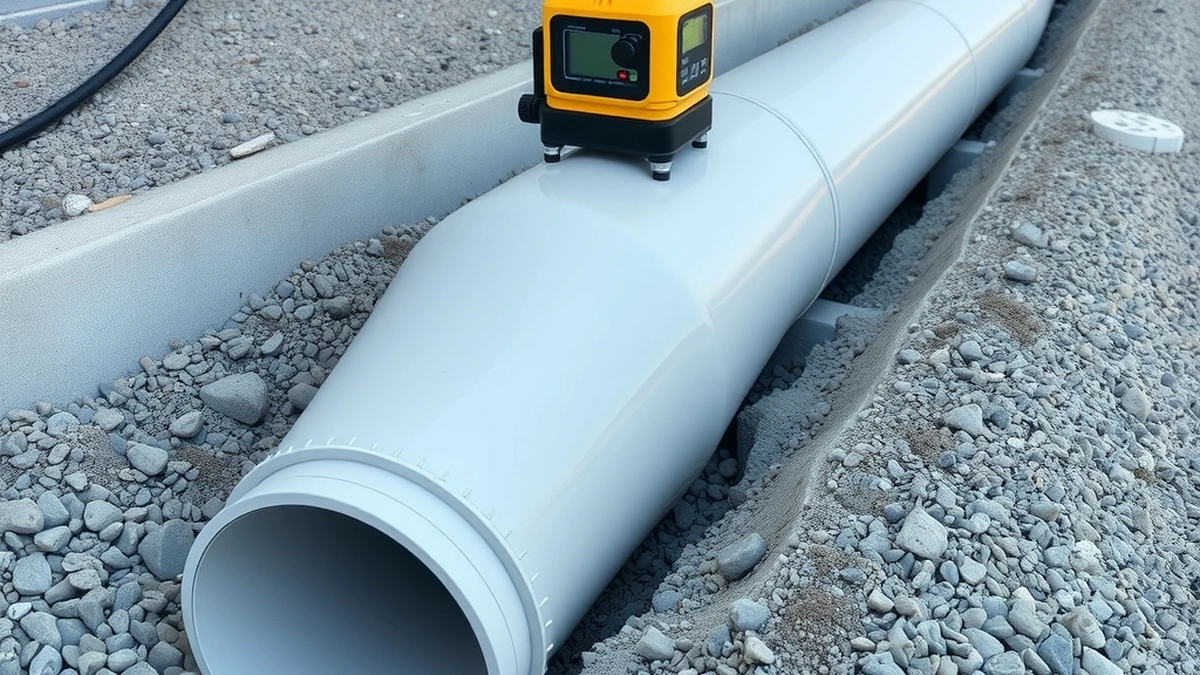
A spot repair is a localized fix to one section of a sewer line, usually 2 to 6 feet. That definition is also the source of most of its problems, because a patch is a joint in a pipe that was never designed to have one there. Seams are where roots enter, where settlement shows, and where a bad coupling leaks silt.
The second group is diagnostic. The repair was done correctly on the wrong thing, because the camera pass missed a defect upstream or the footage was read from a verbal description instead of the recording.
The third group is structural. The host pipe around the repair was already failing, and the patch simply moved the failure a few feet down the line.
Symptom to cause
| What you notice | Likely cause | What confirms it |
|---|---|---|
| Backup returns 6 to 18 months later | Root re-entry at a new seam | Camera pass at the repair |
| Sewage smell in the yard, no backup | Coupling not seated, soil washing in | Camera and a water test |
| Sinkhole or dip above the repair | Backfill not compacted, soil migrating into the line | Camera plus a probe of the surface |
| Slow drains from day one | Debris left in the line, or liner wrinkle | Camera immediately, before paying |
| Backup at a different fixture | Second defect upstream, missed on the first pass | Full-run camera, not just the repair |
| Repair area wet after heavy rain | Infiltration at the seam, not a leak | Camera during or after rain |
The last row matters more than it looks. A repair that only leaks under saturated soil is still a failed repair, and it will not show on a dry-day inspection.
Why seams fail
A cut-and-splice adds two couplings to the line. Each one is a place where two pipe ends meet inside a rubber sleeve, and each one depends on the pipe ends being clean, square, and the right diameter.
Three things go wrong at that joint.
The pipe end is not square. Clay pipe cut with a hammer and chisel chips at the edge, and a chipped end does not seal against the coupling gasket. The leak starts as a seep and becomes a void in the surrounding soil within a season.
The coupling is the wrong size or type. A clay-to-PVC transition needs a flexible coupling with stainless shear bands, sized to the actual outside diameter of both pipes. Clay pipe outside diameters vary by era, and a coupling chosen by nominal size rather than measured size will not hold.
The trench is not bedded. New pipe laid on undisturbed soil with no bedding settles differently from the pipe on either side. Over a few freeze cycles the joint opens. This is the mechanism behind most sinkholes above a recent repair.
A spot liner fails differently. It debonds when the host pipe was not clean, when the line was wet during installation, or when the resin did not cure fully. A debonded liner looks like a bubble or a flap on camera, and it traps debris against the pipe wall.
Problems the repair never addressed
Some failures are not failures of the work. They are failures of the scope.
A bellied pipe is a low spot that holds water. If the repair sits upstream of the belly, or across it, effluent stands against the seam permanently and the joint becomes the collection point for grease and roots. Patching a pipe with a belly is a schedule for a callback.
An offset joint a few feet from the repair is a ledge that catches debris. The patch restores flow at the defect and leaves the actual cause of the backup untouched. This is why the camera pass has to cover the full run, not just the marked spot.
A partially collapsed section upstream stops a liner from passing and stops a cutter from clearing it. The crew discovers this on the day, and the job changes shape.
When the diagnosis was the problem
The most expensive spot repair problem is the one where the wrong thing was fixed. It happens when the camera inspection is rushed, when the footage is not recorded, or when the contractor quotes from a description rather than from video.
The tell is simple. If the backup returns and the camera shows the original repair intact, the repair was not the defect. Pay for a full-run inspection at $200 to $500 before authorizing anything else, and ask for the recording this time.
What a repeat costs
Arithmetic makes the case better than advice does.
A $2,400 spot repair that fails in year two, followed by a $3,200 second repair, is $5,600 spent and the line is still patched in two places. That is already above the $5,000 low end of a full replacement, which replaces the whole run at $5,000 to $15,000 and ends the cycle.
Add a third repair and the comparison is not close. The patch is the cheap option once. It is the expensive option when it repeats.
How to avoid the repeat
- Insist on a recorded camera pass over the full run before any repair is quoted, not just the section in front of the defect.
- Ask the contractor to state in writing that the pipe on both sides of the repair is sound.
- Require a post-repair camera pass and keep the file, so a later failure can be compared against the day-one result.
- Photograph the open trench and the bedding before backfill, which is the only record of how the joint was set.
- Put root control on a schedule if there are trees within 20 feet of the line, because a seam is an invitation.
- Re-camera at 12 months on any repair in clay pipe older than 40 years.
The installation side of this is covered in spot repair installation, and the price side in spot repair cost. If the camera shows more than one defect, the decision shifts from repair to comparison, which is what spot repair vs trenchless lining works through.
Frequently asked questions
Why did my spot repair fail after a year?
The usual causes are a coupling that was not fully seated, soil settlement under the new section, or roots re-entering at the seam. All three are visible on camera, and all three are the installer's responsibility under most workmanship warranties.
How do I know if a spot repair is leaking?
Sewage odor near the repair, a damp or unusually green patch of lawn above it, slow drains that return weeks after the fix, and gurgling fixtures are the common surface signals. A camera pass confirms it.
Can roots grow back through a spot repair?
Yes. Roots enter at joints and seams, and a splice adds two new seams to the line. A repaired section in a yard with mature trees needs root control on a schedule, not a one-time fix.
Should I repair again or replace the line?
If the second camera pass shows the same defect refailed, repair again. If it shows new defects, a back-pitched section, or a run that has lost shape, replacement at $5,000 to $15,000 is usually cheaper than a third patch.
Does a failed spot repair come with a warranty?
Workmanship warranties commonly run one to five years, and material warranties on the pipe or liner are longer. Read what voids them, because excavation by another party or root damage is often excluded.
What is a belly and why does it break a repair?
A belly is a low spot where the pipe has settled and holds water. A patch installed across a belly sits in standing effluent, and the seam becomes the first place roots and debris collect.
Sources
Some links are affiliate links.If you buy through them we may earn a commission at no extra cost to you. We do not accept payment for rankings. Read the full disclosure.