Trenchless lining maintenance: the real schedule
A lined sewer needs jetting every one to two years, a camera pass every three to five, and no augers or caustic chemicals. Intervals, costs, and the maths.
Trenchless lining maintenance means jetting every one to two years at $300 to $800, camera inspection every three to five years at $200 to $500, and no augers or caustic cleaners. A lined pipe needs less work, not none.
- Hydro jetting
- $300–$800
- Camera inspection
- $200–$500
- Emergency backup call
- $500–$1,500
- Spot repair if a defect appears
- $1,500–$5,000
Some links on this page are affiliate links.If you buy through them we may earn a commission at no extra cost to you. We do not accept payment for rankings. Read the full disclosure.
Trenchless lining maintenance is a short list: keep grease and roots out, avoid tools that damage the cured surface, and camera the pipe every few years to confirm nothing has changed. A lined sewer needs less work than a bare clay or cast iron line, but it is not maintenance-free. The liner protects the pipe wall; it does not stop roots at the ends or grease in the bore.
What a lined pipe actually needs
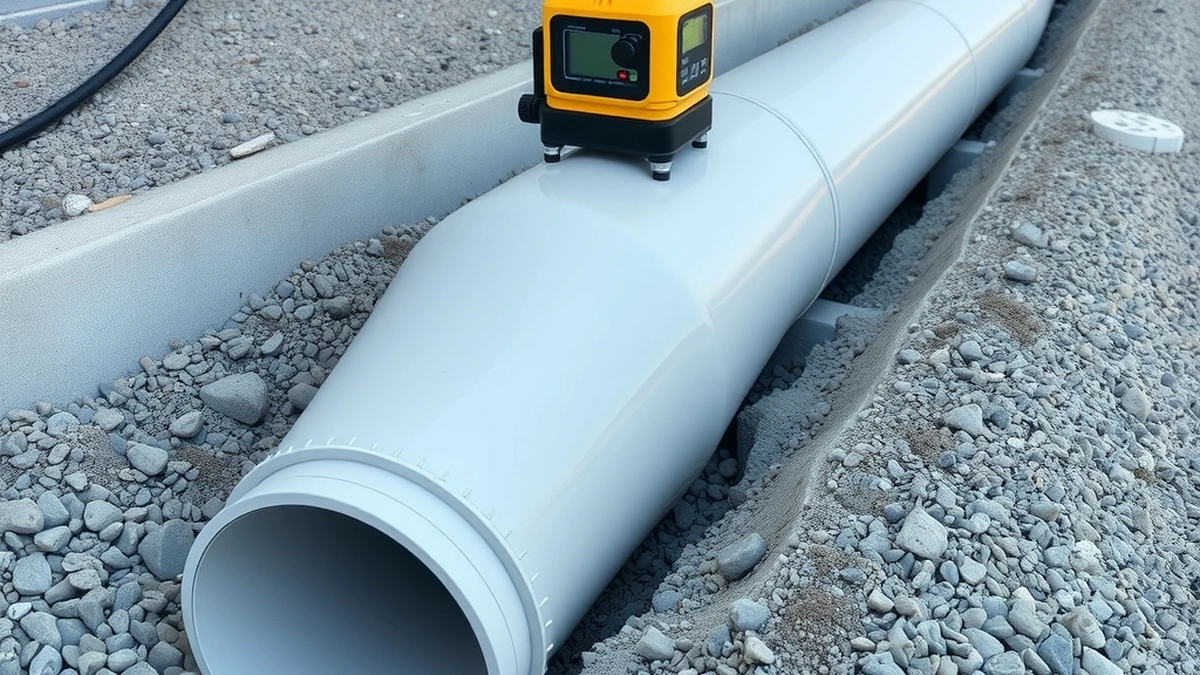
Trenchless lining is a repair method that cures a resin tube inside an existing pipe, producing a smooth, jointless bore. That smoothness is the maintenance advantage: grease and solids move through faster, and there are no joints for roots to probe.
What the liner does not do is change the two things that cause most backups. Grease still congeals on a cool pipe wall, lined or not, and roots still find the transitions at each end. Maintenance is therefore aimed at the same targets as before, with a gentler set of tools.
The schedule, by interval
| Interval | Task | Typical cost | Why |
|---|---|---|---|
| Monthly | Run hot water for a minute after heavy grease use | $0 | Keeps grease moving before it sets |
| Every 1–2 years | Hydro jetting | $300–$800 | Clears grease, grit, and early root growth |
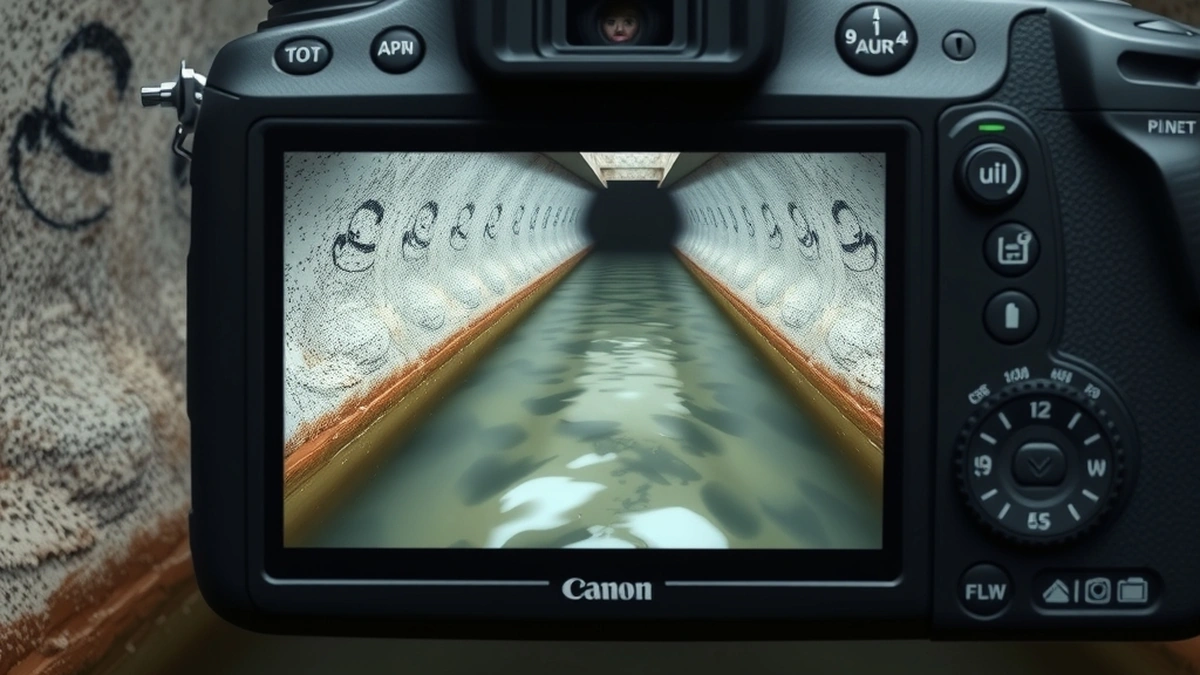
| Every 3–5 years | Camera inspection | $200–$500 | Confirms the liner is round, smooth, and open at branches |
| After any backup | Camera before and after clearing | $200–$500 | Proves whether the cause is the liner or the use |
| Annually | Check the cleanout cap and grade | $0–$150 | A loose cap lets soil and roots in at the top end |
Homes with mature trees within about 20 feet of the line should sit at the short end of both the jetting and inspection intervals. Homes with a short run, no trees, and one or two occupants can usually stretch to the long end.
Why jetting beats augering on a liner
A powered auger or root cutter is designed to scrape a bare pipe wall. Against a cured liner it does something else: the cutting head can score the surface, catch on a wrinkle, or tear the liner at a transition. Many lining warranties explicitly exclude mechanical damage, which means the tool that fixes a root problem can void the coverage that would have paid for the repair.
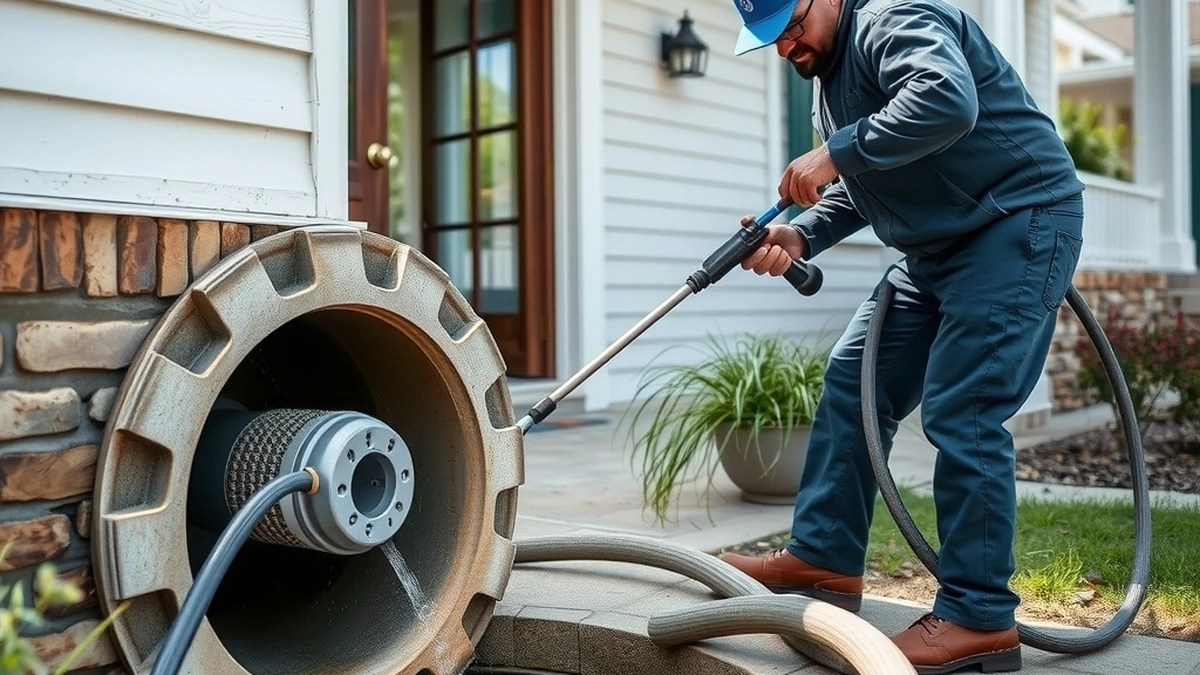
Jetting at $300 to $800 uses directed water at controlled pressure to clear the bore without a metal head scraping the wall. Tell the technician the line is lined before work starts, so pressure and nozzle type are set accordingly.
The same logic applies to chemicals. Caustic and acid drain cleaners do not dissolve roots, they do not remove grease effectively, and repeated use can attack the resin. A liner that has been dosed with caustic every month for three years is a different warranty conversation than one that has been jetted twice.
Roots at the transitions
The liner seals the length it covers. The two ends are another matter. Roots enter at the cleanout, at the connection to the municipal main, and at any section of pipe that was not lined because it was in good condition.
That is why the camera pass matters more than the jetting for a lined line. Jetting clears a symptom. The camera shows whether the growth is starting at a transition that could be sealed, or whether it is coming through a joint that the liner never covered. Catching a transition root problem early keeps it in the $300 to $800 cleaning band instead of the $1,500 to $5,000 spot repair band.
Ten years of maintenance, added up
The arithmetic is small next to the installation cost, and worth doing before deciding maintenance is optional.
- Five jetting visits at $450 each is $2,250.
- Three camera passes at $350 each is $1,050.
- Together, that is $3,300 over ten years, or $330 per year.
- Trim to two jetting visits and two camera passes and it is $1,600 over ten years, or $160 per year.
Now compare the alternative. One missed root problem that becomes an emergency backup costs $500 to $1,500 for the call alone, before any repair. A liner defect found late can move from a $2,000 spot repair into a $4,000 to $12,000 reline. The maintenance budget is not there to protect the liner. It is there to keep small problems in the small band.
When maintenance turns into repair
Maintenance stops being enough when the camera shows a change in the liner itself: a sag, a wrinkle that was not there before, a branch that has closed, or a soft patch. Those are covered in trenchless lining problems, and each has a different price.
A pipe that backs up repeatedly despite clean jetting is the other signal. Repeat backups on a lined line usually mean either the liner is defective or the problem is downstream of the lined section, in the municipal main or a shared lateral. The camera pass tells you which, and it tells you before you spend money on the wrong fix.
What to do next
- Write the installation date, liner product, and warranty length into your house file.
- Book jetting at $300 to $800 on a one to two year cycle, and tell the crew the line is lined.
- Book a camera inspection at $200 to $500 every three to five years and keep the recording.
- Ban powered augers and caustic cleaners on the lined section.
- After any backup, camera before clearing so the cause is recorded.
- If the camera shows a defect, get a written quote in the $1,500 to $5,000 spot repair band before agreeing to a reline.
The original investment is explained in trenchless lining cost, and the comparison against replacement is in pipe bursting vs trenchless lining.
Frequently asked questions
How often does a lined sewer need maintenance?
Jetting every one to two years at $300 to $800 and a camera inspection every three to five years at $200 to $500 covers most homes. Lines with mature trees nearby should sit at the short end of both intervals.
Can I use a drain snake on a lined pipe?
Avoid powered augers and root cutters on a liner. The cutting head can score or tear the cured surface, and most warranties exclude mechanical damage. Use jetting instead.
Are chemical drain cleaners safe for a liner?
Caustic and acid cleaners are the wrong tool for a lined line. They do not clear roots or grease properly and can attack the resin over repeated use, and many warranties exclude chemical damage.
Does a liner stop roots permanently?
It closes the joints and cracks roots were entering through, but roots still enter at the liner ends and at any unlined section. Those transitions are where maintenance attention belongs.
What does ten years of lining maintenance cost?
At one jetting every two years and two camera passes in ten years, the total is roughly $1,000 to $2,600 in today's dollars, assuming no repairs and no emergency calls.
How do I know the liner is still sound?
The camera pass is the only reliable check. A smooth, jointless, round bore with open branches and no sagging is a sound liner, and the recording is worth keeping for resale.
Sources
Some links are affiliate links.If you buy through them we may earn a commission at no extra cost to you. We do not accept payment for rankings. Read the full disclosure.