Trenchless lining vs hydro jetting
Jetting cleans for $300 to $800; lining rebuilds for $4,000 to $12,000. Why they are sequential steps in a job, not alternatives, and when each is bought.
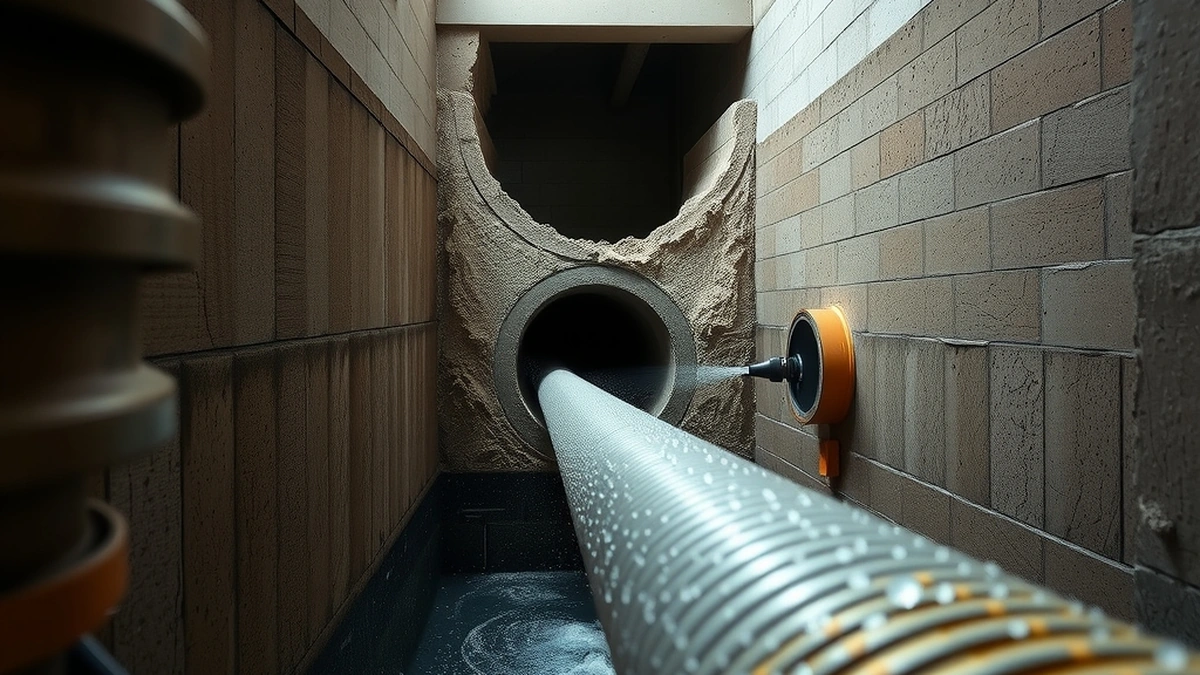
Hydro jetting cleans a pipe for $300 to $800 and trenchless lining rebuilds it for $4,000 to $12,000. They are sequential, not alternative: a liner needs a clean wall, so jetting is normally a required step inside a lining job rather than a competing quote.
- Hydro jetting
- $300 - $800
- Trenchless lining
- $4,000 - $12,000
- Camera inspection
- $200 - $500
- Lining lifespan
- 50 years
Some links on this page are affiliate links.If you buy through them we may earn a commission at no extra cost to you. We do not accept payment for rankings. Read the full disclosure.
Hydro jetting and trenchless lining are not competing quotes. Jetting is a cleaning service at $300 to $800; lining is a rehabilitation job at $4,000 to $12,000. A liner has to be installed against a clean wall, so jetting is normally a required step inside a lining job. The real question is not which one to buy, but whether the pipe is dirty or broken — and that is a $200 to $500 camera inspection.
The one-sentence definitions
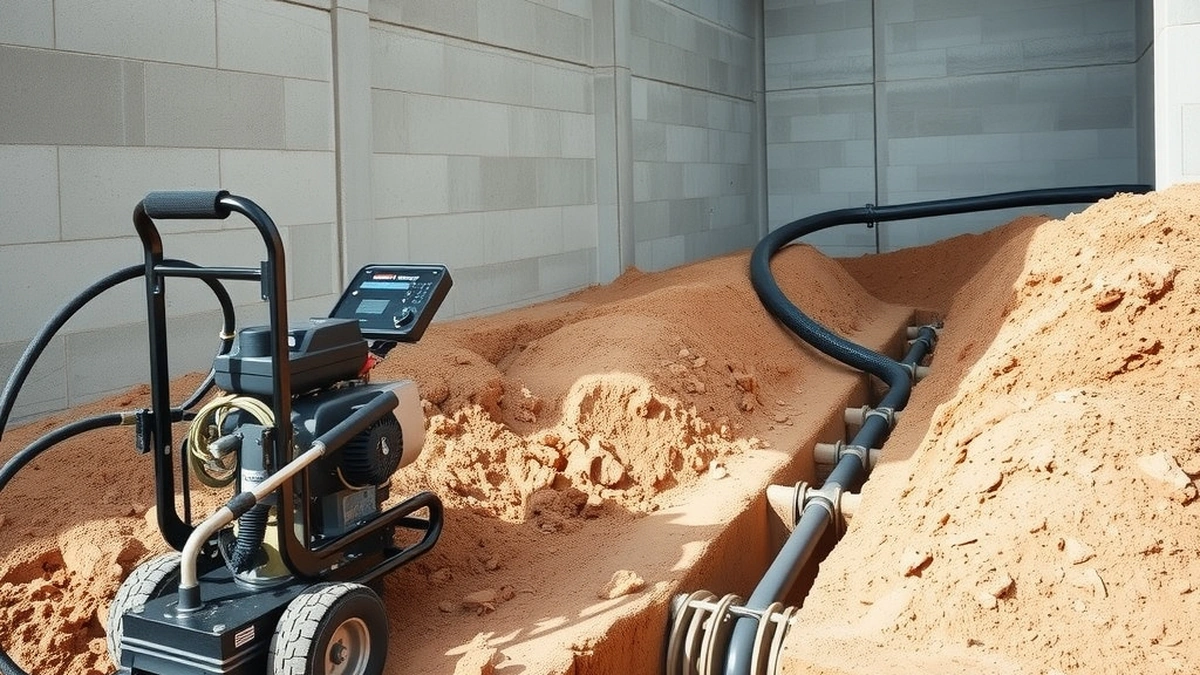
Hydro jetting is a drain cleaning method that scours the inside of a pipe with high-pressure water at roughly 3,000 to 4,000 psi.
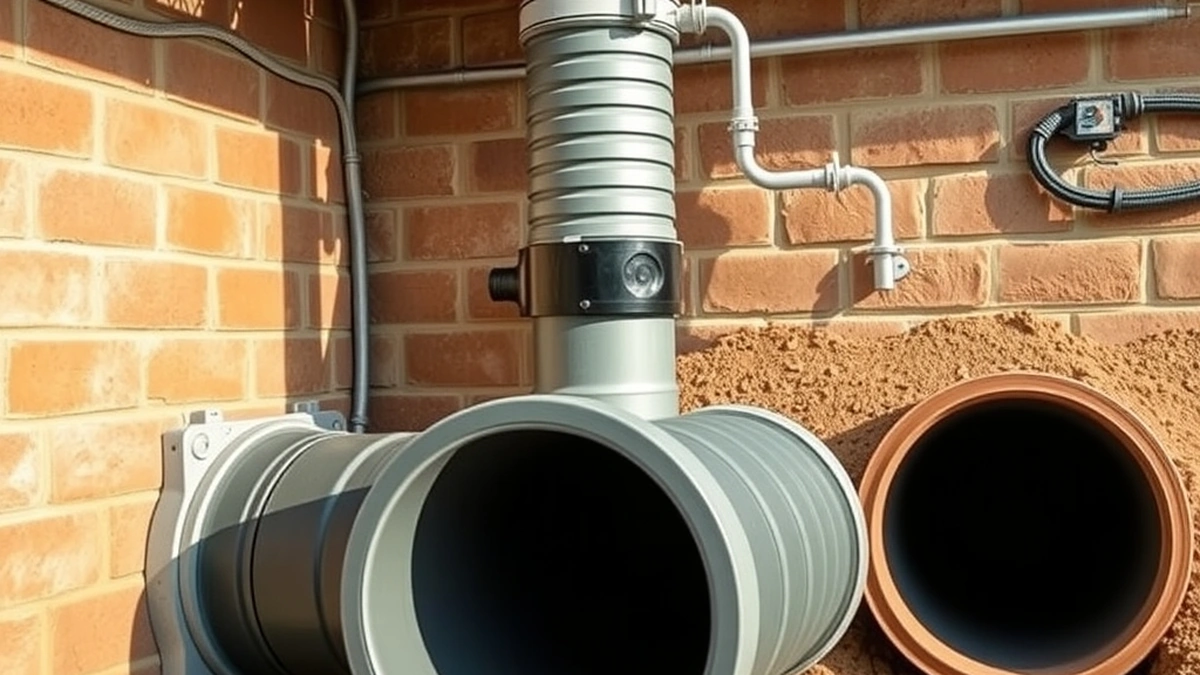
Trenchless lining is a rehabilitation method that installs a resin liner inside the existing pipe and cures it into a new, continuous inner wall.
Cleaning removes material. Lining adds structure. Neither substitutes for the other.
Why they appear in the same conversation
Three reasons, all of them commercial rather than technical.
Lining needs cleaning first. Grease, roots and scale prevent the liner from bonding and can damage it during insertion. Every reputable lining job includes a cleaning step, whether it appears as a line item or not.
Jetting is sold as a lining lead-in. A contractor who jettings a line and finds roots may recommend lining. That recommendation is legitimate if the camera supports it, and it is the moment to ask for the recording.
Jetting is a stopgap on a lining candidate. If a line needs lining but the budget does not allow it this year, annual jetting at $300 to $800 keeps it flowing. That is a legitimate use, as long as everyone knows it is temporary.
The comparison
| Factor | Hydro jetting | Trenchless lining |
|---|---|---|
| Cost | $300 - $800 | $4,000 - $12,000 |
| Duration | 1 - 2 hours | 1 day plus cure |
| Changes the pipe | No | Yes |
| Closes joints | No | Yes |
| Stops root entry | No | Yes |
| Repeat interval | 6 - 24 months | Not needed |
| Requires clean pipe | N/A | Yes |
| Access | One cleanout | Two pits |
| Life | Until it fouls again | 50 years |
The row that matters is “closes joints.” Roots enter through joints. Jetting removes the roots and leaves the joint. Lining removes the joint as an entry point.
When jetting alone is correct
Jetting is the right and complete answer when the camera shows soft material in a sound pipe.
- Grease and sludge
- Hair-fine roots at tight joints
- Scale or mineral film
- A single soft blockage with no structural defect
In those cases lining would be a $9,000 answer to a $500 problem. Clean it, re-inspect, and set a two- to three-year inspection interval.
Jetting is also correct as maintenance on a line that has been lined, at reduced pressure, and on a line where repair is not yet justified.
When lining is correct
Lining is correct when the camera shows defects that cleaning cannot close.
- Cracks, particularly longitudinal ones
- Offset joints
- Root mats entering through open joints
- Infiltration visible as water entering
- Corrosion severe enough to have thinned the wall
The test is simple: after jetting, does the camera still show the defect? If yes, the next purchase is a repair.
The arithmetic of choosing wrong
Choosing jetting when lining was needed. Four years of annual jetting at $550 is $2,200, plus two emergency call-outs at $900 is $1,800, total $4,000. The pipe is unchanged, and the lining still costs $9,000.
Choosing lining when jetting was enough. Lining at $9,000 on a pipe whose only problem was grease. The $8,500 premium bought structure the pipe did not need.
Both errors are avoidable with a $350 camera pass. That is the whole argument for inspection before purchase.
What a lining job actually includes
A properly scoped lining quote should itemize:
- Pre-lining camera inspection
- Mechanical cleaning or jetting
- Pre-lining camera verification
- Liner installation and cure
- Post-cure camera inspection
- Service connection reinstatement
- Pit excavation and restoration
- Permit
If the cleaning is not in there, it will be added. If the post-cure camera is not in there, ask for it — it is the only proof the liner is properly bonded and the connections are open.
How to sequence the decision
- Book a camera inspection at $200 to $500 before booking either service.
- Ask what the camera shows: soft material or a defect in the wall.
- If soft material, jet at $300 to $800 and re-inspect the same day.
- If a defect, get a lining quote that itemizes the cleaning and the post-cure camera.
- If the budget is short, jet annually at $300 to $800 and plan the lining.
- After lining, ask the installer for the maximum jetting pressure allowed.
The cost side is covered in hydro jetting cost and trenchless lining cost. If the camera shows a sag rather than a defect in the wall, neither jetting nor lining fixes it, and trenchless lining vs full replacement explains why.
Jetting is what you buy when the pipe is dirty. Lining is what you buy when it is broken. A lining job includes jetting because it has to. A jetting job does not include lining because it usually does not need to.
The camera tells you which. Everything else is a price list, and a price list without a diagnosis is how a $500 cleaning turns into a $9,000 sale that nobody can justify afterwards.
There is one honest reason to line without a defect, and it is worth naming: a line that has been jetted three times in two years is telling you something even if the camera looks clean between visits. Repeated soft blockages in a pipe with tight joints can mean the joints are weeping and catching debris. That is a judgment call, and it should be made on the recording and the service history together, not on a single visit.
Frequently asked questions
Is jetting or lining the right fix for my sewer line?
Jetting if the pipe is sound and only dirty, at $300 to $800. Lining if the pipe has cracks, offsets or root infiltration, at $4,000 to $12,000. A camera inspection at $200 to $500 decides.
Do you have to jet a line before lining it?
Yes. A liner must bond to a clean wall and pass through a clear bore. Jetting or mechanical cleaning is a standard prep step in a lining job, even when it is not listed separately.
Why is lining quoted separately from the cleaning?
Because they are different trades at different prices. Some contractors bundle the cleaning into the lining price, some itemize it. Ask which, so you can compare quotes fairly.
Can I jet a lined pipe?
Yes, at reduced pressure. Most installers specify lower pressure after lining to protect the bond, and some specify no jetting at all on the lined section. Ask for the manufacturer's limit.
Does jetting stop roots coming back?
No. Jetting removes the roots but leaves the joint they entered through. Lining covers the joint, which is why it stops the cycle rather than resetting it.
How often should a lined line be jetted?
Rarely. A liner has no joints for roots and a smooth wall that resists grease. Most lined residential lines need no routine jetting at all.
Sources
Some links are affiliate links.If you buy through them we may earn a commission at no extra cost to you. We do not accept payment for rankings. Read the full disclosure.