Trenchless lining vs full replacement
Lining is $4,000 to $12,000 and replacement $5,000 to $15,000. The deciding factors are grade, collapse, and how much surface you have to restore.
Trenchless lining runs $4,000 to $12,000 and full replacement $5,000 to $15,000. Lining is cheaper and less disruptive but keeps the existing path and grade. Replacement restores fall and removes the old pipe, so it is the right answer when the line has sagged or collapsed.
- Trenchless lining
- $4,000 - $12,000
- Full replacement
- $5,000 - $15,000
- Camera inspection
- $200 - $500
- Lining lifespan
- 50 years
Some links on this page are affiliate links.If you buy through them we may earn a commission at no extra cost to you. We do not accept payment for rankings. Read the full disclosure.
Trenchless lining costs $4,000 to $12,000 and full replacement $5,000 to $15,000, so lining usually wins on price. It does not always win on outcome. Lining keeps the pipe’s existing path and grade, which means a sagging line still sags after it is lined. Replacement restores both. A camera inspection at $200 to $500 is what tells you which problem you actually have.
What each method does
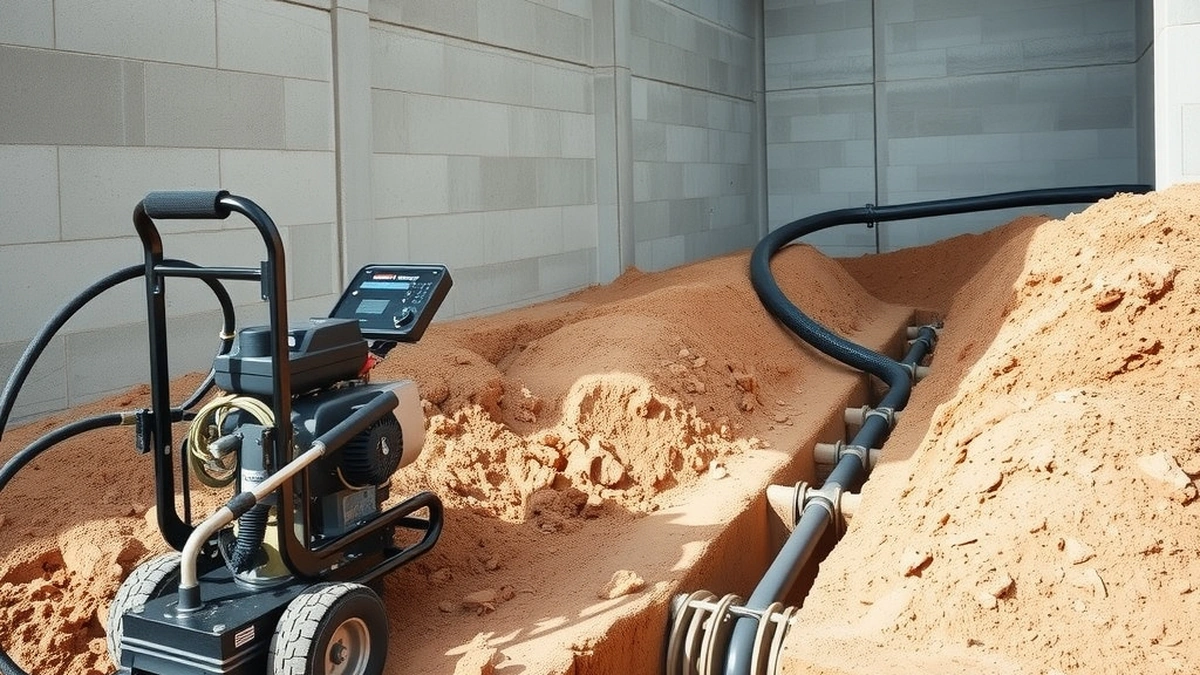
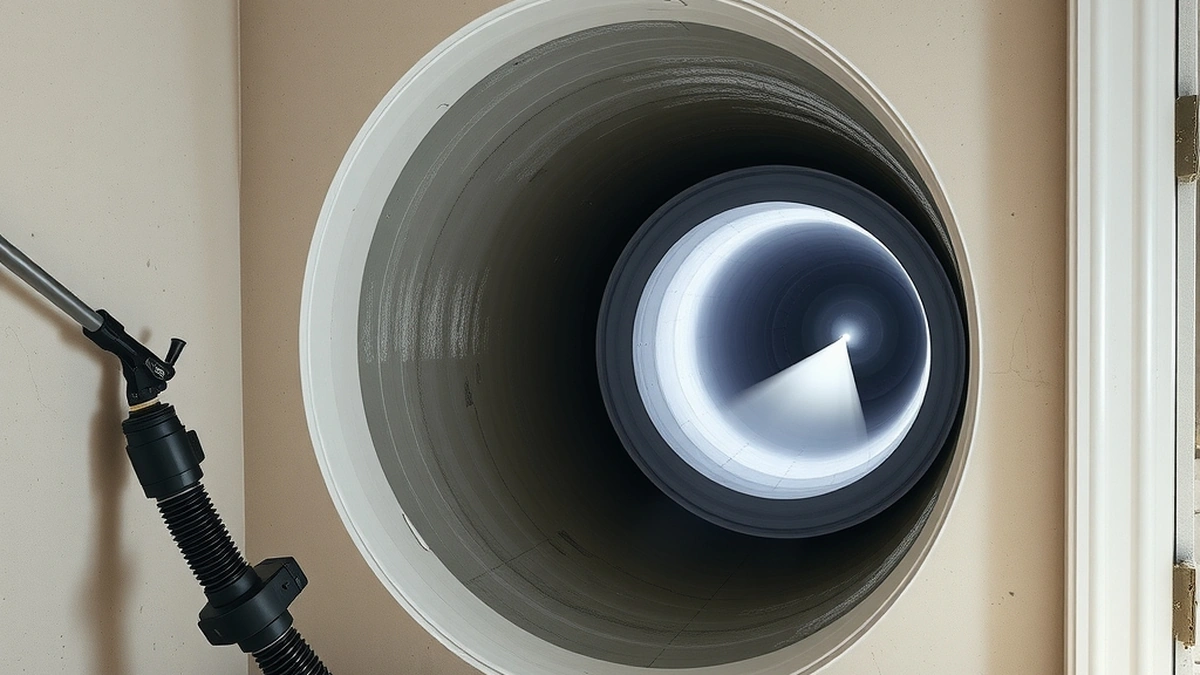
Trenchless lining installs a resin-saturated tube inside the existing pipe, inflates it against the wall and cures it. The old pipe stays in place as a host. The new wall is continuous, so joints and cracks are covered.
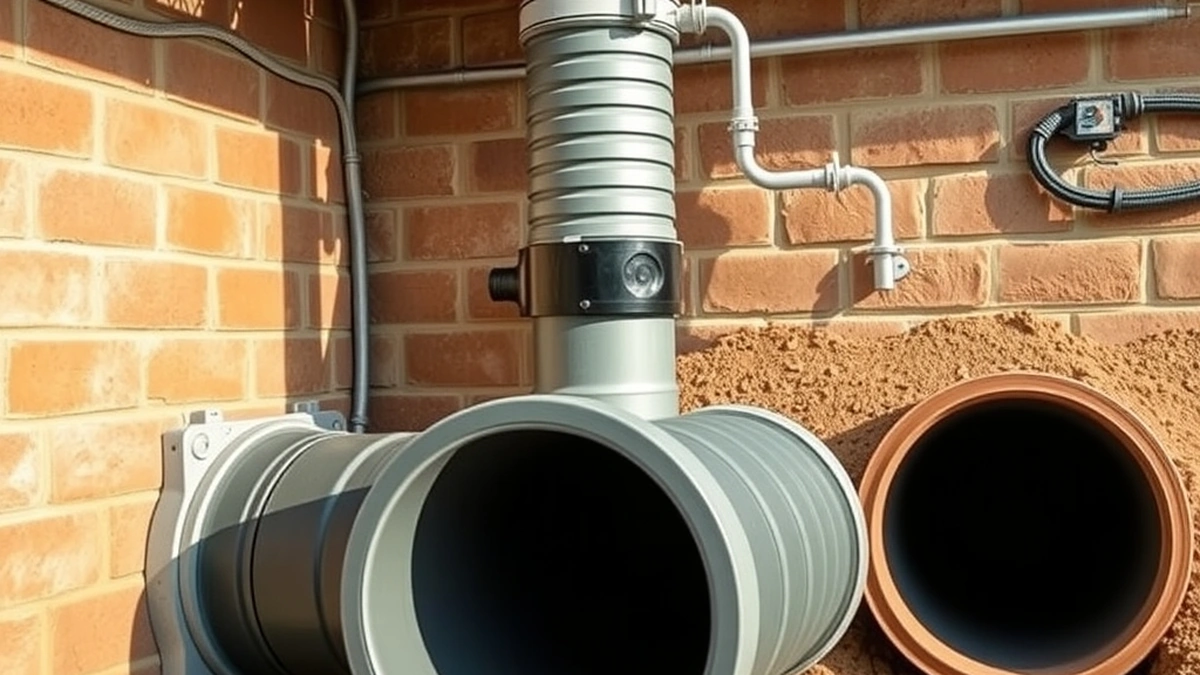
Full replacement removes or displaces the old pipe and installs new pipe. It can be done by open trench or by pipe bursting, and only the open-trench version restores grade.
Both are legitimate. The choice turns on four questions: is the bore intact, does the pipe hold fall, is it undersized, and what is above it.
The comparison
| Factor | Trenchless lining | Full replacement |
|---|---|---|
| Cost | $4,000 - $12,000 | $5,000 - $15,000 |
| Time on site | 1 day plus cure | 1 - 3 days |
| Trench | None, two pits | Full trench or two pits (bursting) |
| Restores grade | No | Yes, open trench |
| Removes old pipe | No | Yes |
| Handles collapse | No | Yes |
| Increases diameter | No, slightly reduces | Yes |
| Surface restoration | Pits only | Trench or pits |
| Life | 50 years | 50 - 100 years |
The two decisive rows are “restores grade” and “handles collapse.” Everything else is a cost or convenience difference.
When lining is correct
Lining is the right purchase when the pipe is structurally compromised but geometrically sound.
- Cracks without displacement
- Offset joints that a liner can bridge
- Root infiltration through open joints
- Cast iron corrosion with the original shape intact
- Multiple defects on a run that still drains by gravity
The cost advantage is real, and it grows with surface value. Under a driveway, lining at $9,000 against replacement at $12,000 plus $3,500 of concrete is a $6,500 difference.
There is one more argument for lining: it is fast. Most residential jobs are one day plus cure, and the house stays occupied.
When replacement is correct
Replacement is the right purchase when lining would be a cosmetic fix over a structural problem.
The pipe has lost fall. Water stands in the line. Lining will not change that, and the line will still hold solids.
The pipe has collapsed. There is no bore to line against. Excavating the collapse and then lining costs more than replacing the run.
The pipe is undersized. An older 4-inch clay line serving three bathrooms may not keep up. Bursting can upsize; lining cannot.
The pipe is Orangeburg or severely deteriorated cast iron. A liner would be relying on a shell with no remaining structural value.
The alignment is wrong. A line that runs under a later addition, or that has a sharp offset at a connection, may need re-routing rather than lining.
The arithmetic on two runs
Run A: 55-foot clay line, three cracked joints, grade intact.
- Lining: $8,200 plus two pits at $450 = $9,100.
- Burst replacement: $10,500 plus two pits at $450 = $11,400.
- Open trench: $9,800 plus $2,800 of driveway restoration = $12,600.
- Correct choice: lining, at $3,500 below open trench and $2,300 below bursting.
Run B: 55-foot clay line, collapsed at 30 feet, standing water upstream.
- Lining: requires excavating the collapse at $3,400, then lining at $8,200, plus pits $900 = $12,500. Grade still wrong.
- Open-trench replacement: $9,800 plus $2,800 restoration = $12,600, grade restored.
- Correct choice: replacement, for $100 more, because it fixes the thing lining cannot.
Run B is the case where the cheaper headline price is the more expensive job. The lining quote looks $100 cheaper and leaves the sag in place.
What the camera must show
Before any method is chosen, the recording should answer:
- Is the bore continuous, or is there a collapse?
- Is water standing anywhere, and where is the low point?
- Are the joints offset, and by how much?
- What is the internal diameter at the tightest point?
- Are there roots, and at how many joints?
Ask for the footage marks. Five minutes of video answers all five, and it costs $200 to $500 rather than $12,000.
The grading case in detail is in bellied pipe repair, and the full cost breakdown is in full replacement cost.
How to decide, step by step
- Book a camera inspection at $200 to $500 and keep the file.
- Ask directly whether the pipe holds grade. If it does not, lining is out.
- Ask whether the bore is intact at every defect. If not, lining is out.
- Get a lining quote and a replacement quote on the same footage.
- Add surface restoration to both, including the pits for lining.
- Compare total cost and total outcome, not headline price.
A line that is cracked but straight is a lining job. A line that is sagging, collapsed or undersized is a replacement job. The camera decides which, and no amount of price comparison substitutes for it.
For the method-by-method pricing, see trenchless lining cost and full replacement installation. For the third option, pipe bursting vs full replacement compares the two replacement routes.
One buying note that saves money on either method: ask for the quote to state the footage of liner or pipe supplied, not just the run length. A 55-foot run with two 8-foot service connections is 55 feet of main liner plus two reinstatements, and a quote that omits the reinstatements will add them later at $150 to $400 each.
Frequently asked questions
Is it better to line or replace a sewer line?
Line if the pipe is cracked but still round and holding grade. Replace if it has sagged, collapsed, or is undersized. Lining cannot restore fall, and a belly remains after lining.
How much cheaper is lining than replacing?
Usually $1,000 to $3,000 on the base price, and more once surface restoration is counted. A replacement under a driveway can add $3,000 to $5,000 in concrete work that lining avoids.
Does lining last as long as a new pipe?
Both are commonly rated at 50 years. A liner depends on the host pipe for shape, while new PVC or HDPE is structurally independent, which matters on a badly deteriorated line.
Can lining fix a collapsed sewer line?
No. A collapse has no bore for the liner to form against. The collapsed section must be excavated and repaired first, which often makes replacement the better value.
Does replacement always mean digging up the whole yard?
No. Pipe bursting is a replacement method that needs only two access pits, so the driveway or patio stays intact. Open trench is used when grade must be restored.
Which option adds value at resale?
Both do, if the work is permitted and warranted. Buyers and inspectors respond to documentation more than to method. Keep the permit, the camera recording and the warranty.
Sources
Some links are affiliate links.If you buy through them we may earn a commission at no extra cost to you. We do not accept payment for rankings. Read the full disclosure.