Root intrusion: warning signs to act on
The eight signs that tree roots are in a sewer line, which ones mean call today, and the $200 to $500 test that confirms it before a backup happens.
Root intrusion signs include gurgling toilets, slow drains throughout the house, sewage smells in the yard, sunken patches of lawn, and repeated blockages in the same spot. A camera inspection at $200 to $500 confirms it before a backup costs $500 to $1,500.
- Camera inspection
- $200 - $500
- Emergency backup
- $500 - $1,500
- Root cutting
- $300 - $800
- Usual distance to trees
- 10 - 30 feet
Some links on this page are affiliate links.If you buy through them we may earn a commission at no extra cost to you. We do not accept payment for rankings. Read the full disclosure.
Root intrusion announces itself through plumbing symptoms, not through the pipe. The earliest reliable signs are a toilet that gurgles when the sink drains and drains that slow down in several rooms at once, because roots obstruct the main line rather than one fixture. If you have those two together, a camera inspection at $200 to $500 is cheaper than the backup it is heading toward, which costs $500 to $1,500 to clear.
The eight signs, in order of reliability
1. A recurring blockage in the same place. This is the strongest signal. If the same line blocks every 12 to 18 months and the crew finds the obstruction at the same footage, a root mass is regrowing from the same joint.
2. Multiple slow drains. One slow sink is a local clog. A sink, a tub and a toilet all draining slowly on the same floor points to the main line.
3. Gurgling fixtures. A toilet that gurgles when the washing machine drains is showing a pressure change in the main line. Air is being pulled through the trap because the line is partly blocked.
4. Sewage smell in the yard. A distinct smell along the line’s path, worse after rain, suggests a leaking joint. Roots exploit leaks, so the smell and the roots often appear together.
5. A sunken strip of lawn. Water escaping through a root-widened joint washes fine soil particles away, and the surface settles. A shallow depression tracing the lateral is worth inspecting.
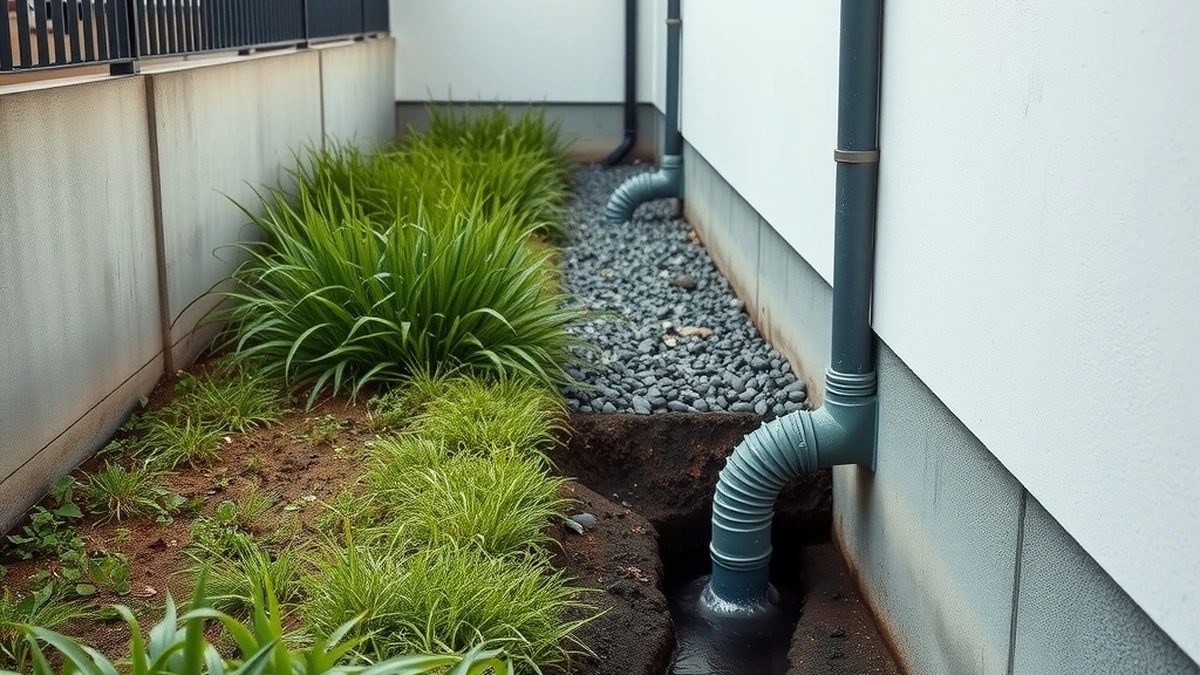
6. Lush green strip over the line. The opposite of a sinkhole: a noticeably greener band of grass above the pipe, because the leaking joint is irrigating it.
7. Sewage backup in the lowest fixture. A basement floor drain or a tub that backs up when the system is under load is the late-stage sign. By this point the line is substantially blocked.
8. Insects or rodents near the cleanout. Less reliable, but a cleanout that attracts flies or looks disturbed can indicate a leak at grade.
Which signs mean call today
| Sign | Urgency | Reason |
|---|---|---|
| Sewage backing up into the house | Today | Health hazard, and the blockage is complete |
| Raw sewage in the yard | Today | Environmental and health issue |
| Multiple fixtures backing up at once | Today | Main line is blocked |
| Gurgling plus slow drains | This week | Partial blockage, still flowing |
| Recurring blockage at the same footage | This month | Roots confirmed, plan a repair |
| Sunken lawn, no backup | This month | Possible void, inspect before it grows |
| Smell only, fixtures fine | Next inspection cycle | Investigate when convenient |
The first three are a call to a drain service and, if sewage has entered the house, a cleanup contractor. The rest are a booking, not an emergency.
What the camera shows
The inspection is the point at which signs become a diagnosis. A technician feeds a camera from the cleanout and records the run. What they are looking for around roots:
- Root hairs at a joint, with the pipe otherwise aligned.
- A root mass filling part of the bore.
- Displaced joints, where the pipe has shifted and the gap has opened.
- Cracks radiating from a joint.
- Water seeping in at a joint, visible as a shimmer or a flow.
The distinction matters because it sets the price. Hairs at a tight joint is a $300 to $800 cutting job. A displaced joint with roots is a $1,500 to $5,000 spot repair. Roots at four joints is a $4,000 to $12,000 lining job.
Ask for the video file and the footage marks. Without them, a second opinion has to start from scratch.
Why the signs are easy to miss
Root intrusion develops slowly, and the symptoms arrive in a sequence that trains people to tolerate them.
The drain slows. It gets plunged. It flows again. Six months later it slows again, and the cycle repeats with a shorter interval each time. By the third cycle, the root mass is large enough that a plunge does nothing, and the call happens on a Sunday.
The cost of that tolerance is visible in the numbers. Three cutting visits at $550 is $1,650, plus one emergency call at $900, which is $2,550 — more than a spot repair that would have addressed the cause after the first blockage.
The prevention side is in root intrusion prevention, and the repair ladder is in root intrusion repair.
What to do when you spot the signs
- Write down which fixtures are affected and when. Two or more on the same floor points to the main line.
- Find the cleanout and check whether it is capped and accessible. A camera crew needs it.
- Book a camera inspection at $200 to $500 before booking a cleaning.
- Ask for the footage marks where the obstruction sits.
- Compare the repair options at that footage, not for the whole line by default.
- Fix the entry point rather than repeating the cleaning.
If the line is already backing up, skip to sewage backup repair for the immediate sequence, then come back to the camera once the flow is restored. The cost of the eventual repair is set out in root intrusion cost, and the emergency pricing is in sewage backup cost.
The one sign worth acting on alone
If there is a single takeaway, it is the recurring blockage at the same footage. Everything else can have another explanation — a slow drain can be grease, a gurgle can be a venting issue, a sunken lawn can be settling fill.
A blockage that returns to the same place on the camera is roots, or a defect acting like roots. Either way it is not going to resolve itself, and the next visit will cost more than the inspection that would have identified it.
Frequently asked questions
What are the first signs of roots in a sewer line?
A gurgling toilet when other fixtures drain, and drains that are slow in several rooms at once. Roots obstruct the main line, so the symptom appears across the house rather than at one fixture.
Can you smell root intrusion?
Sometimes. A sewage smell in the yard along the line's path, especially after rain, suggests a leaking joint where roots have entered. The smell is from the leak, not the roots.
Does a sunken patch of lawn mean a broken sewer line?
It can. A joint leaking into the soil washes fines away and creates a void that settles. A sunken strip directly above the lateral is a reason to inspect, not proof on its own.
Why does the same drain block every year?
A recurring blockage at the same location is the strongest non-visual sign of roots. The root mass regrows from the same joint, so the blockage returns to the same spot on the camera.
Will a plunger fix root intrusion?
No. A plunger moves water; it does not cut roots. It may restore flow briefly by clearing soft debris around the root mass, but the mass remains and the blockage returns.
How quickly do roots grow back after cutting?
Typically within 6 to 24 months, depending on species and season. Roots regrow toward the same water source, which is why the same joint blocks again on a predictable schedule.
Sources
Some links are affiliate links.If you buy through them we may earn a commission at no extra cost to you. We do not accept payment for rankings. Read the full disclosure.