Root intrusion: how to prevent it
Six measures that actually reduce root intrusion, ranked by cost and effect, plus the planting distances and pipe materials that make a line root-resistant.
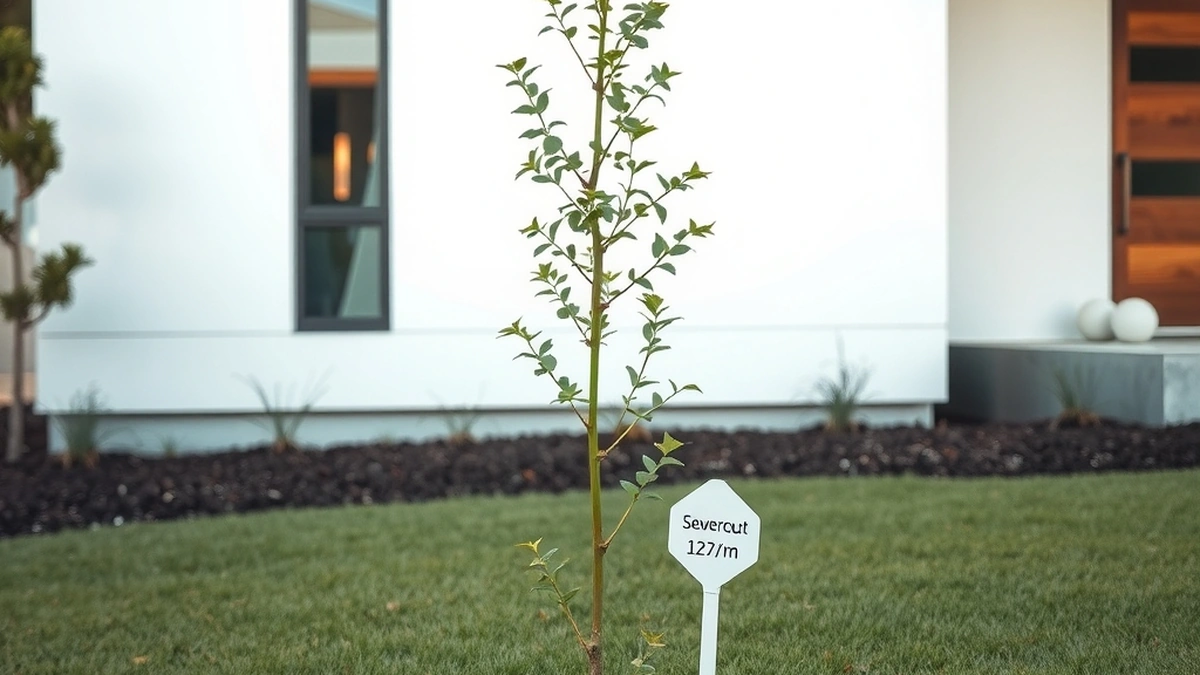
Prevent root intrusion by sealing joints, keeping trees 10 to 30 feet from the lateral, planting slow-rooting species, and repairing any pipe that is already cracked. Chemical root treatments slow regrowth but do not seal, and they cost $50 to $200 a year.
- Tree clearance
- 10 - 30 feet
- Root treatment
- $50 - $200 a year
- Spot repair
- $1,500 - $5,000
- Lining the run
- $4,000 - $12,000
Some links on this page are affiliate links.If you buy through them we may earn a commission at no extra cost to you. We do not accept payment for rankings. Read the full disclosure.
Root intrusion is preventable, but not with a monthly pour-down. The only durable prevention is closing the opening the roots enter through, which means a sound pipe with sealed joints. Everything else — planting distance, species choice, chemical treatment — reduces the rate at which a problem develops. A camera inspection at $200 to $500 tells you whether you have an opening to close.
The mechanism, in one paragraph
Tree roots do not seek out pipes. They grow through soil and exploit moisture. A sewer lateral leaks a small amount of water and nutrients at every failed joint, and roots that happen to pass nearby follow that gradient. Once a root hair enters a gap, it thickens and widens the gap, which leaks more, which attracts more roots. Prevention is therefore about denying the gradient: no leak, no invitation.
That is why a sound, sealed pipe is the only real answer, and why treatments that kill roots without sealing the joint only reset the clock.
Six measures, ranked by effect
| Measure | Cost | Effect | Durability |
|---|---|---|---|
| Repair or line the pipe | $1,500 - $12,000 | Removes the entry point | 30 - 50 years |
| Plant at a safe distance | $0 | Avoids new intrusion | Permanent |
| Choose low-risk species | $0 | Slows root spread | Permanent |
| Physical root barrier | $200 - $800 | Redirects roots | 10 - 20 years |
| Chemical root treatment | $50 - $200 a year | Slows regrowth | One season |
| Annual cutting | $300 - $800 a visit | Restores flow | Months to years |
The table is ordered by what works, not by what is easy. The top two are free or structural. The bottom two are recurring costs with no end date.
Planting distance, by species
There is no universal number, because root spread depends on species, soil, water table and the depth of the lateral. The widely used rule of thumb is:
- Small ornamental trees (dogwood, redbud, Japanese maple): 10 feet from the lateral.
- Medium trees (crabapple, ornamental pear): 20 feet.
- Large trees (willow, poplar, silver maple, elm, oak): 30 feet or more.
A lateral is typically 18 to 36 inches deep at the house and shallower toward the street in older neighbourhoods. A tree 30 feet away with a root system that spreads 40 feet can still reach it. Distance reduces probability; it does not eliminate it.
The USDA’s extension guidance on tree root systems is a useful starting point for species-specific numbers.
The species question
Slow-growing trees with compact root systems are lower risk. Fast-growing species are higher risk, and the ones most often cited in claims are willow, poplar, silver maple, elm, fig and large oak.
That does not mean a willow 40 feet from the line will destroy it. It means the probability is higher, and if the line is old clay with open joints, the probability is higher still.
If a mature high-risk tree sits directly over a failing lateral, the decision is a real one:
- Remove the tree at $500 to $2,000 and repair the pipe once.
- Keep the tree and maintain the line at $300 to $800 a visit.
- Keep the tree and line the pipe at $4,000 to $12,000, which handles both.
The middle option is the most common and the most expensive over 20 years.
What root treatments do and do not do
Copper sulfate and similar products kill root mass on contact. They are sold as flushable crystals or foams at $50 to $200 a year.
What they do: reduce the root mass inside the pipe for a season, which delays the next blockage.
What they do not do: seal the joint. The same gap remains, the same moisture gradient remains, and the roots return. A treatment program without a repair is a subscription, not a fix.
There is also an environmental caution. Copper sulfate is a biocide, and it leaves the pipe into the municipal system or a septic field. Some wastewater utilities discourage it. Check before using it on a line that discharges to a sensitive waterway.
What actually makes a line root-resistant
Three construction choices, in order of effect:
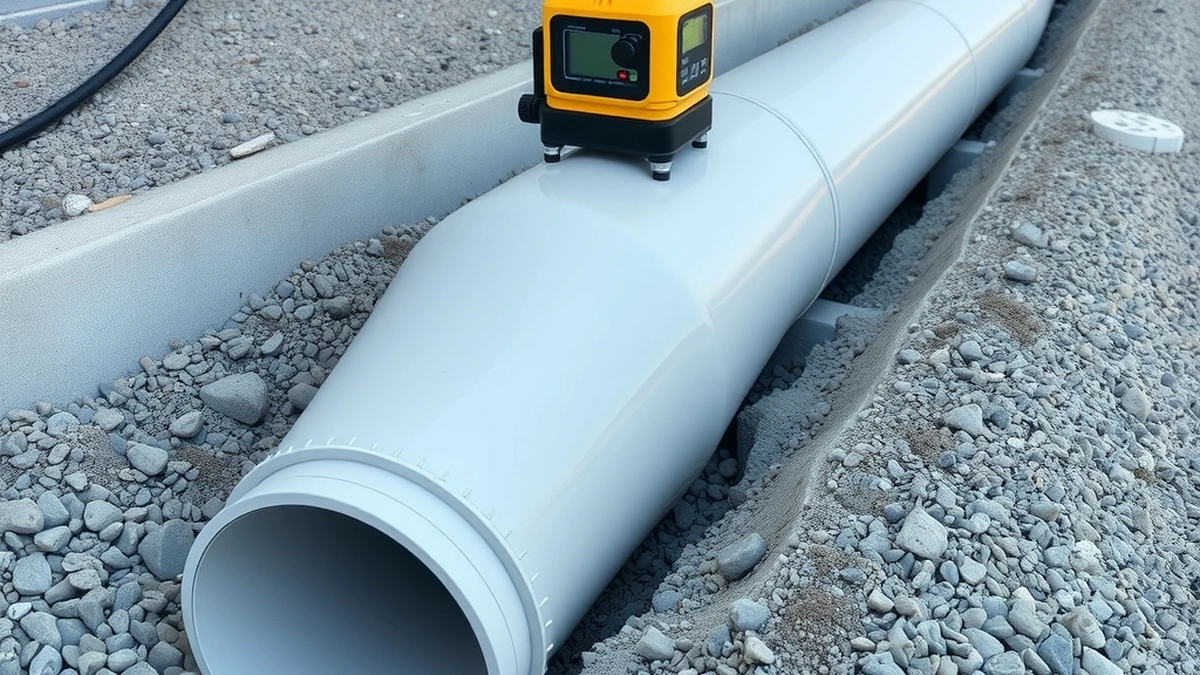
- Solvent-welded PVC or ABS. No joints to open, no gasket to fail. This is why new laterals rarely have root problems in the first 30 years.
- A continuous cured-in-place liner. Covers every joint and crack along the run. Rated at 50 years.
- Sealed mechanical couplings at repair points. Good, but only as good as the installation.
Everything else is mitigation. The material comparison for new work is in full replacement installation, and the lining option is priced in trenchless lining cost.
A prevention routine
- Get a camera inspection at $200 to $500 and locate every joint, crack and offset.
- Repair or line the openings the camera found, at $1,500 to $12,000 depending on scope.
- Mark the lateral with the cleanout riser so future planting avoids it.
- Keep new trees at 10 to 30 feet, by mature size.
- Treat annually at $50 to $200 only if roots are present and repair is not yet justified.
- Re-inspect every 2 to 3 years and compare with the previous recording.
The repair options that follow an inspection are in root intrusion repair and the costs in root intrusion cost. If the roots have already produced a backup, sewage backup prevention covers what to do before the next one.
One practical note on timing: roots grow most in late spring and early summer, when the tree is pushing new growth and the soil is warm and wet. A cutting done in October is often still clear the following June, while the same cutting in May can be undone by August. If you are maintaining rather than repairing, book the visit for late summer so the regrowth has the least season left to work with.
Frequently asked questions
How close can a tree be to a sewer line?
Ten feet is the common minimum for a small ornamental tree, 20 feet for a medium tree, and 30 feet or more for a large species such as willow, maple or poplar. The lateral's depth also matters.
What is the best way to keep roots out of a sewer pipe?
Close the openings. A continuous liner or solvent-welded PVC has no joints for roots to enter. On an existing clay line, repairing the joints is the only durable fix.
Do root killer products work?
They slow regrowth but do not seal anything. Copper sulfate products run $50 to $200 a year and are a maintenance measure, not prevention, because the entry point stays open.
Which trees should I avoid planting near a sewer line?
Willows, poplars, maples, elms, figs and large oaks are the most commonly cited. Slow-growing ornamental species with compact root systems are lower risk.
Does a root barrier work?
A physical barrier along the line can redirect roots, but it must be installed before the tree establishes and it is rarely practical to retrofit along an existing lateral.
Can I prevent roots by flushing something monthly?
No product on the market seals a joint from the inside. Treatments reduce root mass for a season; they do not stop the next root hair from entering the same gap.
Sources
Some links are affiliate links.If you buy through them we may earn a commission at no extra cost to you. We do not accept payment for rankings. Read the full disclosure.