Sewage backup: how to prevent it
Six measures that prevent sewage backups, from a $200 to $500 camera inspection to a backwater valve, with the costs and the order to do them in.
Prevent a sewage backup by removing grease and wipes from the drain, inspecting the line with a camera every two to three years at $200 to $500, and installing a backwater valve where the municipality requires one. A backup still costs $500 to $1,500 to clear.
- Camera inspection
- $200 - $500
- Backwater valve installed
- $800 - $2,500
- Emergency clear
- $500 - $1,500
- Inspection interval
- 2 - 3 years
Some links on this page are affiliate links.If you buy through them we may earn a commission at no extra cost to you. We do not accept payment for rankings. Read the full disclosure.
Sewage backup prevention comes down to two failures. Either your lateral is blocked, or the municipal main is surcharged and pushing water back toward your house. The first is managed with habits and inspection; the second needs a backwater valve at $800 to $2,500 installed. A camera inspection at $200 to $500 every two to three years is the cheapest way to catch the first before it becomes a $500 to $1,500 emergency.
What a backup actually is
A sewage backup is the reversal of flow in a building drain or sewer lateral, so that wastewater exits through the lowest fixture rather than travelling to the municipal main.
There are two mechanisms and they need different prevention:
Blockage in your lateral. Grease, roots, wipes, a collapsed section or a belly. Water cannot get out, so it comes back. This is your pipe and your responsibility.
Surcharge in the municipal main. Heavy rain or a combined sewer overloads the public system, the water level in the main rises above your lateral’s connection, and it flows backwards into your basement. This is not your pipe, but the damage is in your house.
Most prevention advice is really about the first. The second needs hardware.
The prevention measures, in order of value
| Measure | Cost | Prevents | Effort |
|---|---|---|---|
| Camera inspection every 2 - 3 years | $200 - $500 | Blockage from defects | Booking |
| Grease and wipes discipline | $0 | Most lateral blockages | Daily habit |
| Backwater valve | $800 - $2,500 | Municipal surcharge | One installation |
| Root cutting on a schedule | $300 - $800 | Root blockages | Annual visit |
| Lining a failing run | $4,000 - $12,000 | Structural failures | One job |
| Sump pump with battery backup | $400 - $1,200 | Groundwater flooding | One installation |
Note that the two cheapest items prevent the most backups. Most household backups are grease, wipes or roots, and all three are managed by habit plus an occasional inspection.
The habits that matter
Grease goes in a container, not the sink. Cooking fat cools and sticks to the pipe wall. It does not wash away; it accumulates.
No wipes, even flushable ones. They do not break down like toilet paper. They catch on roots and joint offsets and form the mat that blocks the line.
Strainers in every drain. Hair and food scraps are the two most common branch blockages, and a $10 strainer catches both.
Know where your cleanout is. In an emergency, the difference between a 20-minute clear and a flooded basement is often whether anyone can find the cleanout.
Watch for the early signs. Multiple slow drains, gurgling, and a sewage smell in the yard are the warnings that arrive before the backup.
The backwater valve, explained
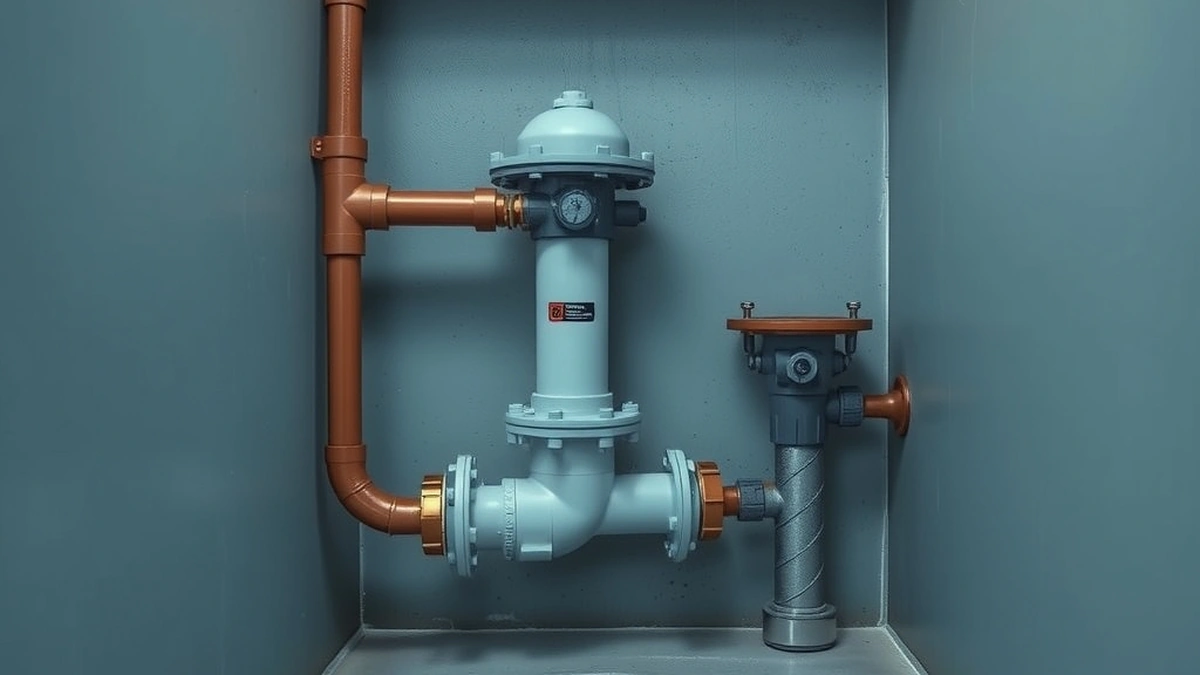
A backwater valve is a one-way flap installed in the building drain or the lateral that closes when flow reverses, blocking municipal surcharge from entering the house.
Where it goes matters:
- Basement floor drain branch. Cheapest and most common retrofit, but it only protects fixtures downstream of it.
- Main building drain. Protects the whole house, needs more concrete work, and costs more.
- Exterior lateral. Protects everything, requires excavation, and is the most expensive option.
Installed cost is $800 to $2,500 depending on location and concrete work. Some municipalities offer a subsidy for retrofits on combined-sewer streets, so check before booking.
Two maintenance notes: the valve needs to be accessible for cleaning, and it needs to be checked annually. A valve that is stuck open protects nothing, and a valve that is stuck closed blocks the house.
What the numbers say about waiting
Take a house with a slow drain that everyone has learned to live with.
- One camera inspection: $350.
- The inspection finds roots at two joints and a belly.
- Cutting plus a spot repair: $3,200.
- Total: $3,550.
Now the alternative path:
- The line blocks on a Sunday in January.
- Emergency call-out: $900.
- Sewage cleanup in the basement: $2,000 to $8,000, typically not covered without a rider.
- Repair afterwards: $3,200.
- Total: $6,100 to $12,100, plus a ruined weekend.
The inspection is not the expense. It is the thing that avoids the expense.
The repair ladder is in root intrusion repair, and the emergency pricing is in sewage backup cost.
Spring and the surcharge problem
Backups cluster in spring for two reasons. Saturated soil raises the water table, and infiltration through old joints adds clean water to a system already carrying stormwater. Both reduce capacity exactly when demand from melting snow and rain is highest.
If your street floods or your neighbours have had backups, the municipal main is the likely mechanism, and a backwater valve is the correct response. If your house backs up in dry weather, the mechanism is your lateral, and inspection is the correct response.
That distinction determines what to buy, and it is worth asking the utility directly: is this a combined sewer, and has the street had surcharge events?
A prevention routine
- Find the cleanout and make sure the cap is accessible.
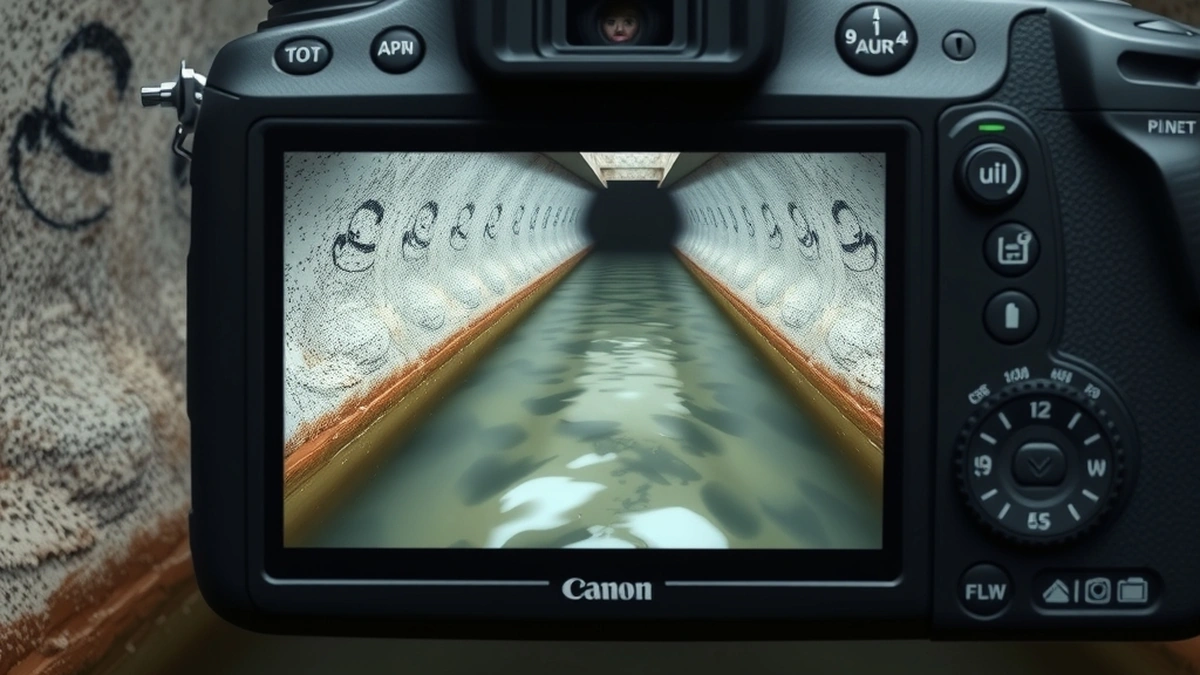
- Book a camera inspection at $200 to $500 and keep the video.
- Fix what it finds — cutting at $300 to $800, spot repair at $1,500 to $5,000.
- Ask the utility about combined sewers and price a backwater valve at $800 to $2,500.
- Keep grease and wipes out and use strainers.
- Re-inspect every 2 to 3 years and compare to the previous recording.
The warning signs that a backup is developing are in sewage backup signs, and the repair sequence if it has already happened is in sewage backup repair. For the broader maintenance picture, see sewer line repair maintenance.
Frequently asked questions
What is the most effective way to prevent a sewage backup?
Keep grease, wipes and roots out of the line, and know its condition. A camera inspection at $200 to $500 every two to three years finds the defects that cause most backups before they block.
Does a backwater valve actually prevent backups?
It prevents municipal surcharge from entering the house, which is one of the two main causes. It does not help with a blockage in your own lateral, which is the other cause.
How much does a backwater valve cost?
Roughly $800 to $2,500 installed, depending on whether it goes in a basement floor drain line, a main lateral, and whether concrete has to be cut and repoured.
Can I prevent backups by flushing a treatment monthly?
Enzyme and bacterial treatments digest some grease, but they do not clear roots or fix a sagging pipe. They are a supplement, not a prevention measure on a failing line.
Why do backups happen more in spring?
Two reasons: saturated soil raises the water table and infiltration enters old joints, and municipal systems take on stormwater. Both reduce capacity at the moment demand is highest.
Should I install a backwater valve if my neighbours do not have one?
Yes, if your municipality has a combined sewer or a history of surcharge. A valve protects your house regardless of what neighbours do, though a licensed plumber should confirm the local code allows it.
Sources
Some links are affiliate links.If you buy through them we may earn a commission at no extra cost to you. We do not accept payment for rankings. Read the full disclosure.