Sewage backup: warning signs and urgency
The eight signs a sewage backup is coming, which mean call today, and what a $200 to $500 camera inspection can catch before a $1,500 emergency.
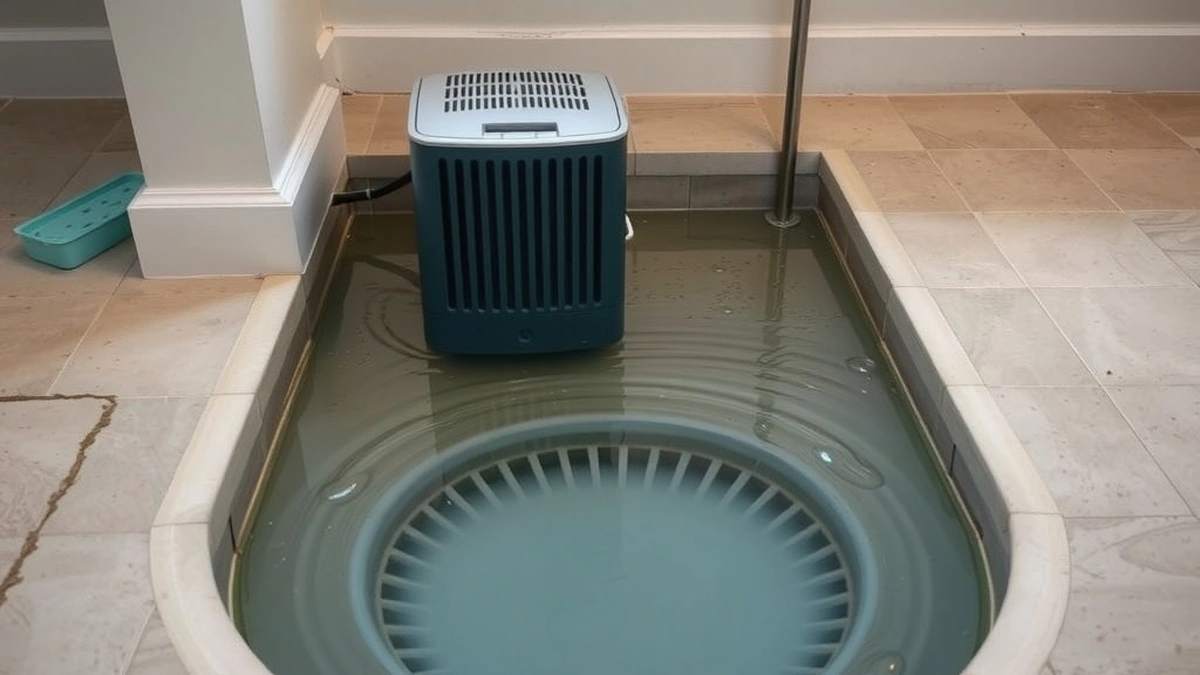
Sewage backup warning signs include gurgling drains, multiple slow fixtures, bubbling at the basement floor drain, sewage smells indoors, and water rising in a floor drain during rain. The last two mean call today, because a backup is already starting.
- Emergency clear
- $500 - $1,500
- Camera inspection
- $200 - $500
- Cleanup after backup
- $2,000 - $8,000
- Backwater valve
- $800 - $2,500
Some links on this page are affiliate links.If you buy through them we may earn a commission at no extra cost to you. We do not accept payment for rankings. Read the full disclosure.
Sewage backup warning signs arrive in a sequence, and the sequence is the useful part. Gurgling drains and multiple slow fixtures come first, while the line is still flowing. Bubbling at the basement floor drain and sewage smells follow. Water rising in a floor drain during rain is no longer a warning — it is the backup. A camera inspection at $200 to $500 catches the first stage; an emergency clear costs $500 to $1,500.
The eight signs in sequence
1. Multiple slow drains on the same floor. One slow sink is a local clog. A sink, a tub and a toilet all slowing together means the main line.
2. Gurgling fixtures. A toilet gurgling when the washing machine drains is the classic sign. Air is being pulled through the trap because the main line is partly obstructed.
3. Bubbling at the floor drain. The lowest fixture in the house is the first to show pressure. Bubbles mean air is being displaced by water that cannot get away.
4. Sewage smell indoors. Hydrogen sulphide and waste odour in a basement or bathroom. A dry trap can cause a similar smell, so pair it with another sign before drawing conclusions.
5. Sewage smell outdoors, along the line. A persistent smell in the yard, worse after rain, suggests a leaking joint or a partially blocked line.
6. Water backing up in one fixture when another drains. Running the washing machine fills the basement floor drain. This is a main-line blockage at a late stage.
7. Slow recovery after heavy rain. Fixtures drain slowly for hours after a storm and then return to normal. That is surcharge in the municipal main, not a blockage in your pipe.
8. Sewage visible at the cleanout. A cleanout cap that is seeping or has been pushed off is a line under pressure.
What each stage means
| Stage | Signs | What is happening | Action |
|---|---|---|---|
| Early | One slow fixture | Local clog or start of buildup | Plunge, watch |
| Developing | Multiple slow drains, gurgling | Main line partly blocked | Book a camera |
| Late | Bubbling floor drain, indoor smell | Main line substantially blocked | Book a clear this week |
| Active | Water rising, sewage surfacing | Blockage complete or surcharge | Call now, stop water |
| After | Sewage residue, damp | Contamination present | Cleanup plus inspection |
The step from developing to active can take months or a single afternoon, depending on what is in the line. A root mass that has been growing for two years can close the remaining gap in an hour.
Why the same house backs up twice
The most common pattern in this trade is a house that backs up, gets cleared, and backs up again eight months later. The clear restored flow. Nothing else changed.
A camera inspection after the first backup almost always finds the reason: roots at a joint, a belly holding solids, a separated joint letting soil in, or a collapsed section. Each of those will block again on its own schedule.
The arithmetic is straightforward. Two emergency clears at $900 is $1,800. A camera at $350 plus a spot repair at $2,600 is $2,950, but it ends the cycle. Over five years the repair is cheaper than three clears and carries a warranty.
The repair options are in sewage backup repair and root intrusion repair, and the prevention measures are in sewage backup prevention.
Rain-driven backups are different
If the backup only happens during or after heavy rain, the mechanism is probably surcharge, not blockage.
The test is simple. If the line drains normally in dry weather and backs up during storms, the municipal main is the source. If it backs up in dry weather too, the lateral is the source.
Surcharge is addressed with a backwater valve at $800 to $2,500, which closes when flow reverses. It is not addressed by cleaning, because there is nothing in your pipe to clean.
Some municipalities have a subsidy for backwater valve retrofits on combined-sewer streets. It is worth a phone call before booking the work.
Health and safety, briefly
Sewage contains bacteria, viruses and parasites, and category 3 water damage is the classification used for it. The practical rules:
- Do not walk through standing sewage in bare feet or open footwear.
- Wear gloves and eye protection for any cleanup.
- Ventilate the space and keep pets and children out.
- Discard porous materials that have absorbed sewage — carpet, drywall, insulation.
- Disinfect hard surfaces with an appropriate product, not just a mop.
For anything beyond a small spill, a water damage contractor is the right call. The EPA’s guidance on sewage backups covers the environmental and health side.
What to do, in order
- Stop using water. Every flush adds volume to a blocked line.
- Find the cleanout and check whether it is seeping or capped.
- Call a drain service at $500 to $1,500 if water is rising or sewage is surfacing.
- Keep people and pets clear, and ventilate the space.
- Book a camera inspection at $200 to $500 once flow is restored.
- Fix the cause rather than only clearing the symptom.
The cost of the cleanup and repair is set out in sewage backup cost. If the sign you are seeing is a slow drain rather than an active backup, slow drains everywhere warning signs covers that pattern separately.
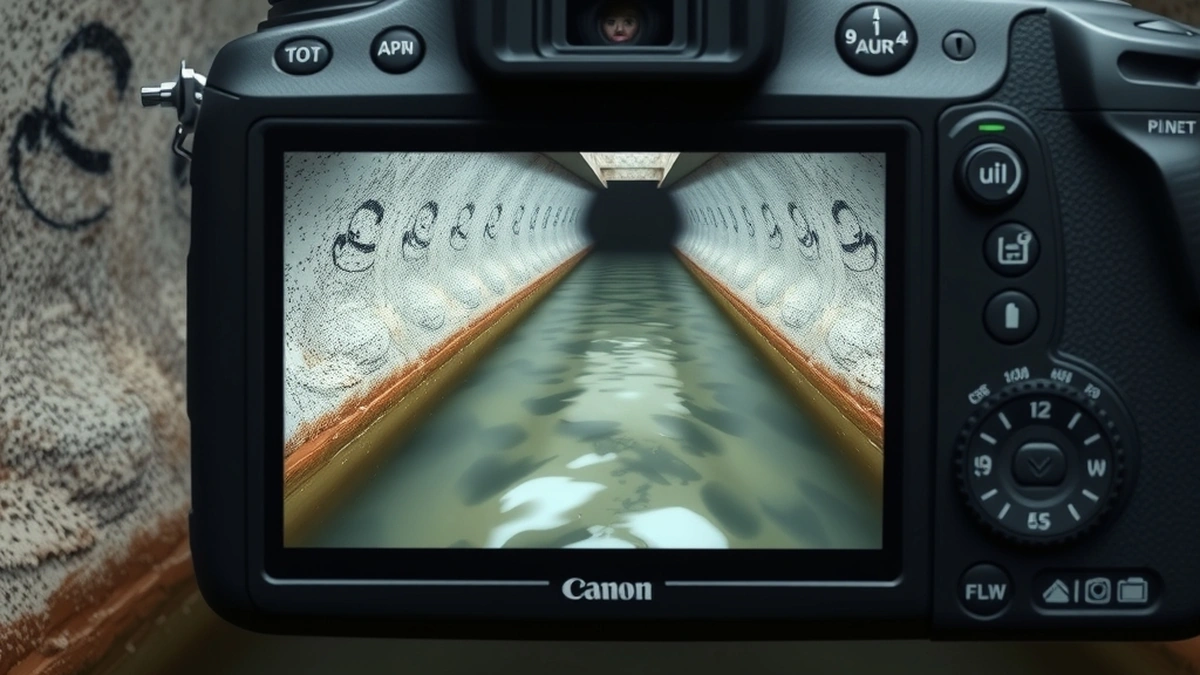
One practical note on documentation: photograph the area before cleanup and keep the camera inspection recording with your home records. Insurers increasingly ask for evidence of the cause when a service line claim is filed, and a dated recording is the difference between a covered interior claim and a disputed one. It also helps at resale, where a documented inspection answers the buyer’s first question about the sewer line.
Frequently asked questions
What are the first signs of a sewage backup?
Gurgling drains and multiple slow fixtures on the same floor. Both mean the main line is partly blocked, so air and water are being pushed back through traps instead of draining away.
Why does my basement floor drain bubble?
Water draining elsewhere in the house is pushing air ahead of it through the main line. A partial blockage downstream forces that air out through the lowest trap, which is usually the floor drain.
Is a sewage smell indoors always a backup?
Not always. A dry trap or a venting fault can produce a similar smell. A smell combined with slow drains or gurgling, however, points to the main line rather than a fixture.
What should I do the moment sewage starts coming up?
Stop using water, do not run fixtures or appliances, and call a drain service. If it is safe to do so, keep people and pets away from the area and ventilate the space.
Can a backup be caused by rain?
Yes. On a combined sewer or an infiltration-heavy system, stormwater raises the level in the municipal main above your lateral, and it flows backwards into the house.
How often do backups happen twice?
Frequently, if the cause is not fixed. Clearing a blockage restores flow but leaves the defect. A camera inspection at $200 to $500 after the first backup is what prevents the second.
Sources
Some links are affiliate links.If you buy through them we may earn a commission at no extra cost to you. We do not accept payment for rankings. Read the full disclosure.