Spot repair maintenance: keeping a patch alive
A spot repair needs maintenance at its two new seams. Here is the 30-day check, the yearly routine, and what voids the warranty on a patched sewer line.
Spot repair maintenance is mostly seam care and root control. Check flow in the first 30 days, camera the repair every two to three years at $200 to $500, keep grease and wipes out of the line, and treat roots early. A $350 inspection beats a $2,400 repeat repair.
- First check
- 30 days after repair
- Camera interval
- Every 2 to 3 years
- Inspection cost
- $200 - $500
- Repeat repair avoided
- $1,500 - $5,000
Some links on this page are affiliate links.If you buy through them we may earn a commission at no extra cost to you. We do not accept payment for rankings. Read the full disclosure.
Spot repair maintenance is not maintenance of the repair. The pipe and the coupling need nothing. What needs attention is the ground around the two new seams, the roots that find them, and the flow that has to keep moving past them. Most of the work is watching, and the watching is cheap.
What you are actually maintaining
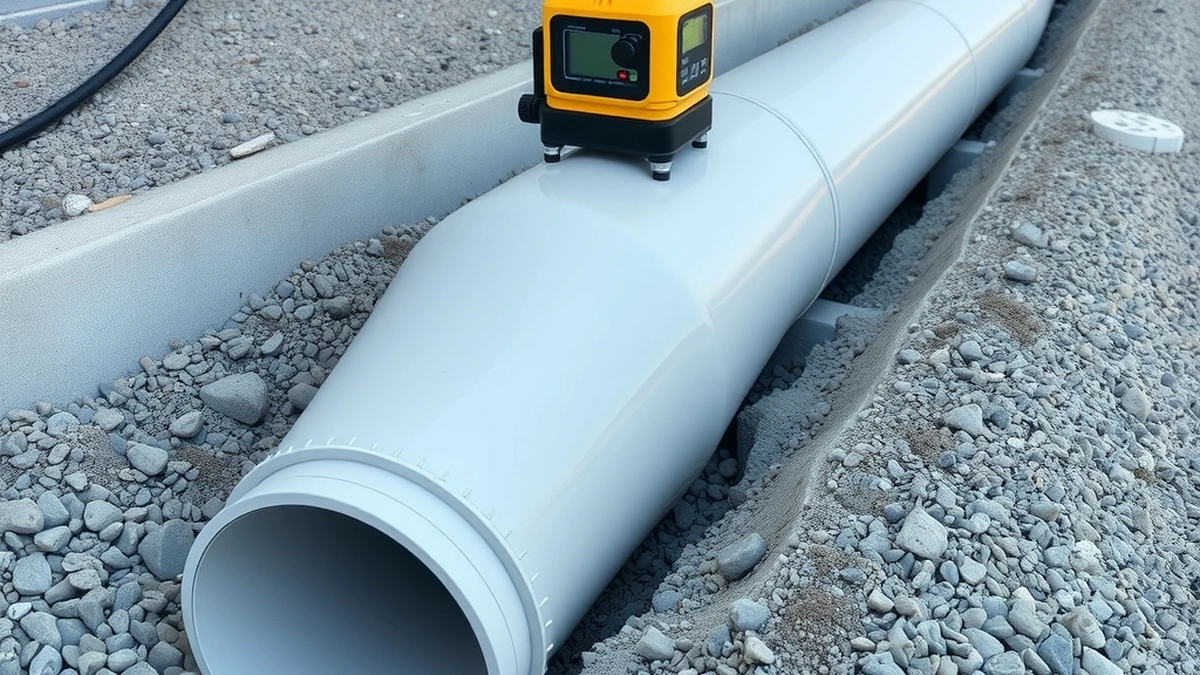
A spot repair is a localized fix to one section of a sewer line, usually 2 to 6 feet, and it leaves the line with two joints it did not have before. Those joints are the maintenance surface. Roots enter at joints, soil migrates into a gap at a joint, and settlement shows first at a joint.
Everything below follows from that. You are not servicing a machine. You are keeping a buried pipe from being asked to do something it was not built for: hold back a tree, carry grease, or bridge a settling trench.
The first 30 days
The repair is most fragile before the soil around it has fully settled and before the backfill has been through a wet cycle.
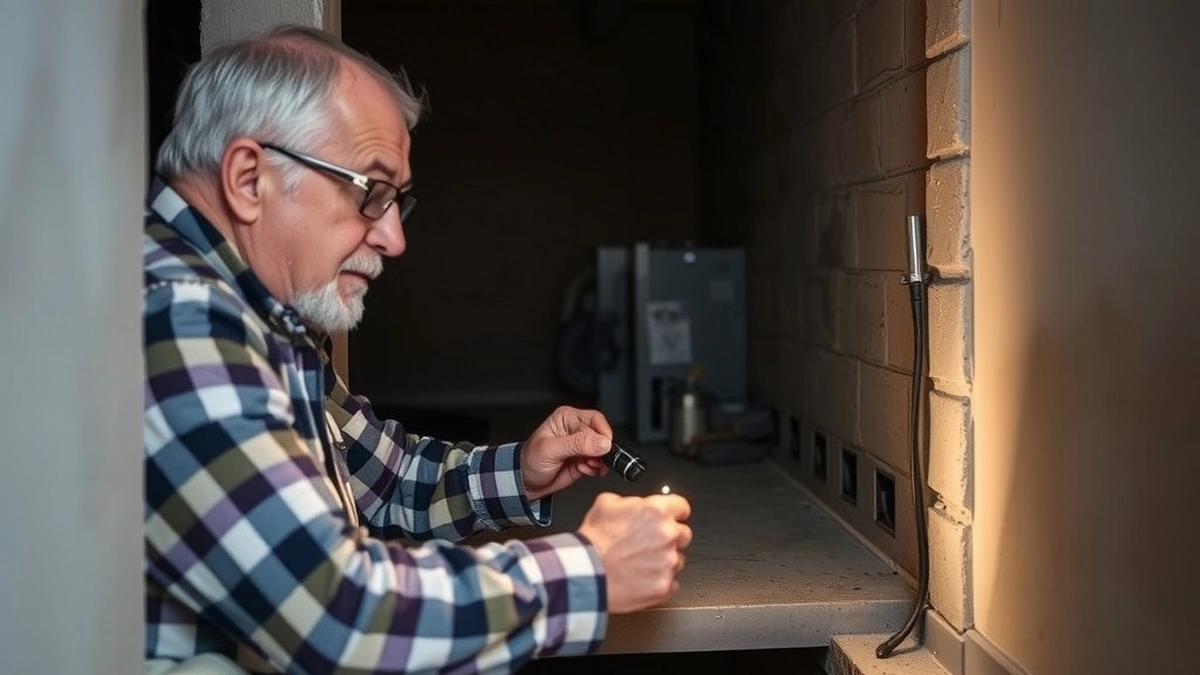
- Run water at every fixture on the repaired line and watch for slow drains, gurgling, or a backup at the cleanout.
- Look at the ground above the repair after the first heavy rain. A dip or a soft spot is soil moving into the trench.
- Smell the area on a still evening. Sewage odor at the surface means a seam is seeping.
- Keep vehicles off the restored surface for the period the contractor states, usually 72 hours for concrete.
- Note the date, the method, and the contractor on a tag at the cleanout. Future you will not remember.
If any of the first three show up, call the installer before the 30-day mark. Workmanship warranty conversations are much easier before the trench has been through a season.
A care calendar
| Interval | Task | Why it matters |
|---|---|---|
| Monthly | Flush the line with a full tub of hot water | Moves grease that would otherwise set at the seam |
| Quarterly | Check the cleanout for standing water | Standing water means a partial blockage downstream |
| Yearly | Root treatment if trees are within 20 feet | Roots reach a joint long before they block the pipe |
| Every 2 to 3 years | Camera inspection at $200 - $500 | Catches a debonded liner or open coupling while it is small |
| Every 5 years | Full-run camera and jetting at $300 - $800 | Clears scale and confirms the rest of the line has not moved |
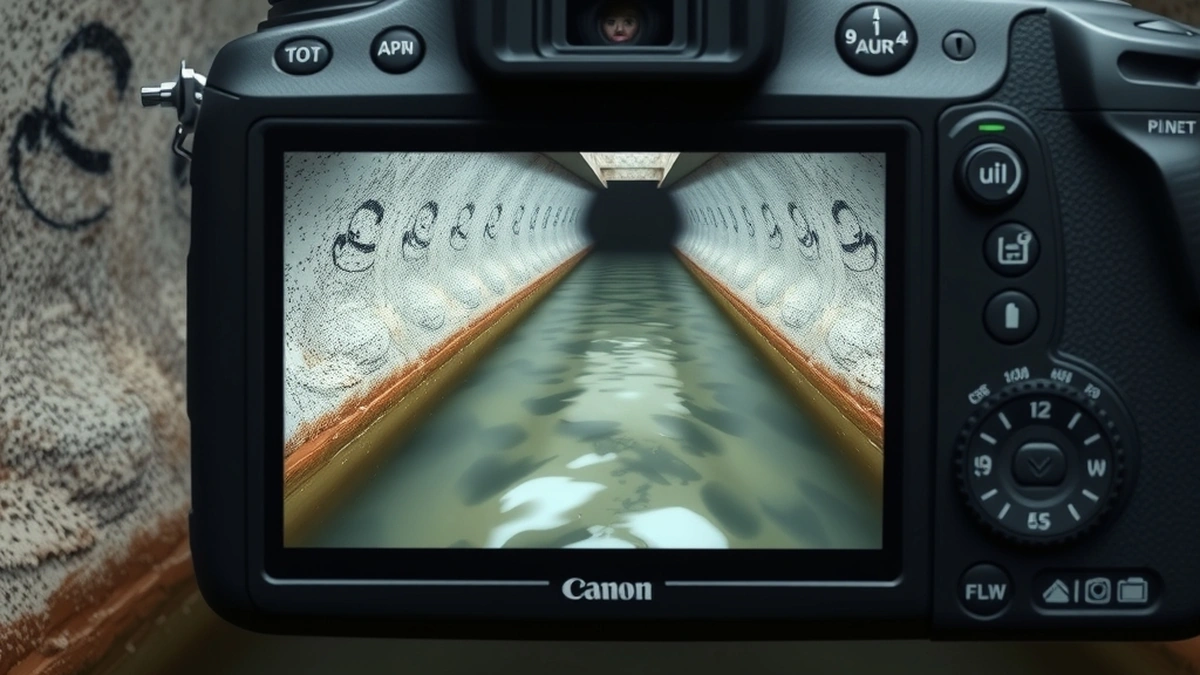
The two-to-three-year camera interval is the one people skip, and it is the one that pays. A camera pass that shows a clean repair is a $350 insurance policy. A camera pass that shows a separated coupling is a $350 diagnosis that saves a $2,400 repair.
Root control, done without hurting the repair
Roots are the single most common reason a patched line comes back. They enter at joints, and a splice adds joints. The response has to be scheduled, not reactive.
Cutting roots with a cable or a jetter clears the pipe and stimulates regrowth, so cutting alone is a cycle that repeats every 12 to 18 months. Foaming root products that expand inside the pipe and coat the walls slow that cycle. Copper sulfate products are the older approach and work as a maintenance dose rather than a cure.
What you should not do is pour a caustic drain opener on a root blockage. It does not remove the root, it sits against the coupling, and it is listed as an exclusion in most repair warranties.
What voids a repair warranty
Warranties on spot repairs are short and specific. Workmanship coverage commonly runs one to five years; the pipe or liner material carries its own longer warranty from the manufacturer. The exclusions are where homeowners get caught.
| Exclusion | What it means in practice |
|---|---|
| Another contractor worked on the section | Any excavation or cabling by a third party ends coverage |
| Root damage | The repair is not warrantied against roots entering a new seam |
| Chemical drain cleaner use | Caustic products against the coupling are excluded |
| Grease, wipes, or foreign objects | Blockages caused by what went down the drain are not defects |
| Settling of un-compacted backfill by others | Rare, but it happens after landscaping work |
| Acts of nature | Flooding, frost heave, and ground movement |
Read that list before you hire, not after. A one-year warranty on a $2,400 repair is worth very little if the exclusions cover the three things most likely to happen.
Early warning signs worth acting on
Slow drains that come back after a repair are the classic signal that something upstream is wrong. A backup at a fixture that was never affected before points to a second defect rather than a failed patch.
A dip in the lawn above the trench, a patch of grass that stays green through a drought, and a sewer smell on a calm evening all point at the same place: soil is moving into the line or effluent is moving out of it. None of those improve on their own.
The full set of failure modes is covered in spot repair problems, including the ones that look like a bad repair but are actually a misdiagnosis.
The arithmetic of maintenance
Camera inspections at $350 every three years cost about $117 a year. Over the 10 to 25 years a repair should last, that is $1,170 to $2,900 in inspection spend.
One repeat repair is $1,500 to $5,000. One escalation to full replacement is $5,000 to $15,000. The inspection schedule is not a cost center; it is the thing that keeps the repair from becoming a second project.
Add jetting at $300 to $800 every five years and the annual cost is still under $300. That is less than most people spend on filters and softener salt in the same period.
What to do next
- Run the 30-day check above and write down the date of the repair at the cleanout.
- Book a camera pass for 12 months out if the pipe is old clay or sits under trees, otherwise 24 months.
- Set a yearly root treatment date if any tree is within 20 feet of the line.
- Stop using caustic drain cleaner on the repaired line and switch to mechanical clearing.
- Keep every camera recording in one folder, so each pass can be compared with the one before it.
For how the repair was built in the first place, spot repair installation covers the sequence. For what the work should have cost, spot repair cost has the bands. And for when maintenance stops being the answer, how long sewer line repair lasts sets realistic expectations by material.
Frequently asked questions
What maintenance does a spot repair need?
Flow checks in the first month, a camera pass every two to three years, root treatment if trees are near the line, and keeping grease, wipes, and heavy solids out of the drain. The repair itself needs no service.
How often should I camera a repaired sewer line?
Every two to three years is a reasonable default, and every 12 months for a repair in old clay pipe or under mature trees. Each pass costs $200 to $500 and produces a recording you can compare against the last one.
Can I use drain cleaner after a spot repair?
Chemical drain cleaners are hard on rubber couplings and on cast iron, and they do not remove the cause of a blockage. Mechanical cleaning by a plumber is safer for the repair and more effective.
Does root killer damage a sewer repair?
Copper sulfate and foaming root products are formulated for sewer lines and are widely used, but they work on roots inside the pipe, not on the joint. Read the label and keep the dosage to what it states.
What voids a spot repair warranty?
Common exclusions are excavation by another party, damage from roots or from pouring grease and wipes, improper use of chemical cleaners, and work done by someone else on the same section.
How long should a spot repair last with good care?
A well-installed splice in sound pipe commonly lasts 10 to 25 years, and a spot liner similar. Most failures come back to seams, roots, or a host pipe that was already deteriorating.
Sources
Some links are affiliate links.If you buy through them we may earn a commission at no extra cost to you. We do not accept payment for rankings. Read the full disclosure.