Trenchless lining installation: step by step
How a cured-in-place liner goes in, from the $200 to $500 camera inspection and cleaning through resin wet-out, inversion, cure, and the final camera pass.
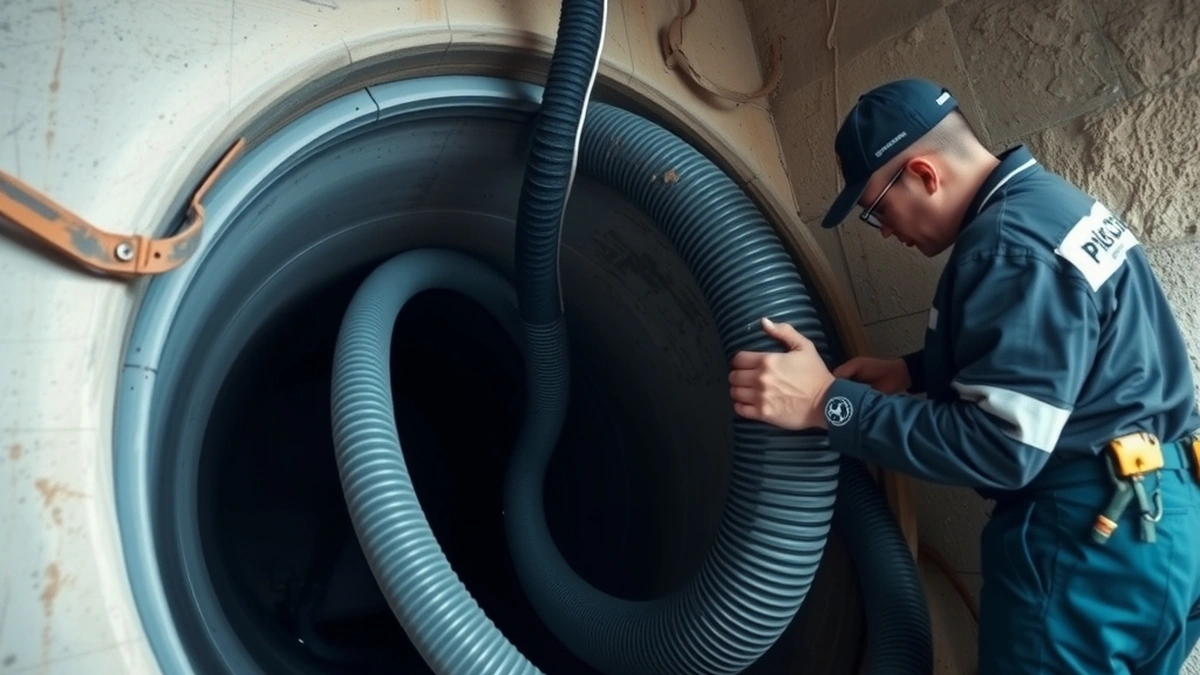
Trenchless lining installation takes one day on a typical residential run: inspect at $200 to $500, clean at $300 to $800, invert a resin liner, cure it, then camera the finished pipe.
- Camera inspection
- $200–$500
- Hydro jetting
- $300–$800
- Lining, total
- $4,000–$12,000
- Typical on-site time
- 1 day
Some links on this page are affiliate links.If you buy through them we may earn a commission at no extra cost to you. We do not accept payment for rankings. Read the full disclosure.
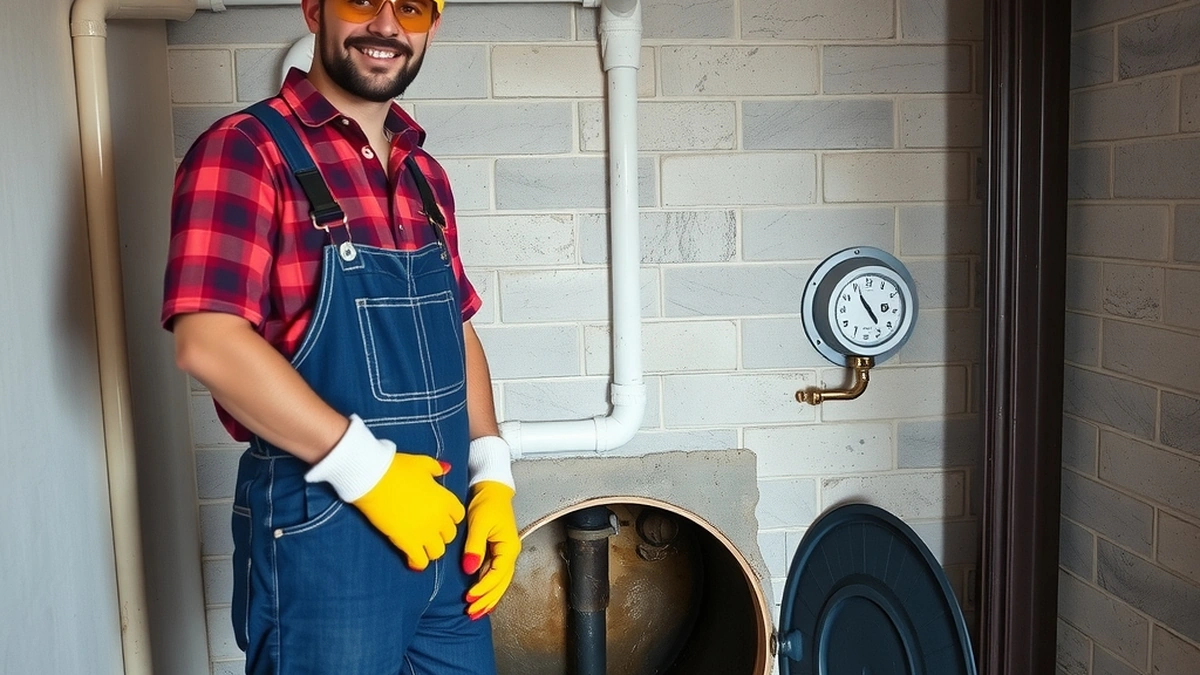
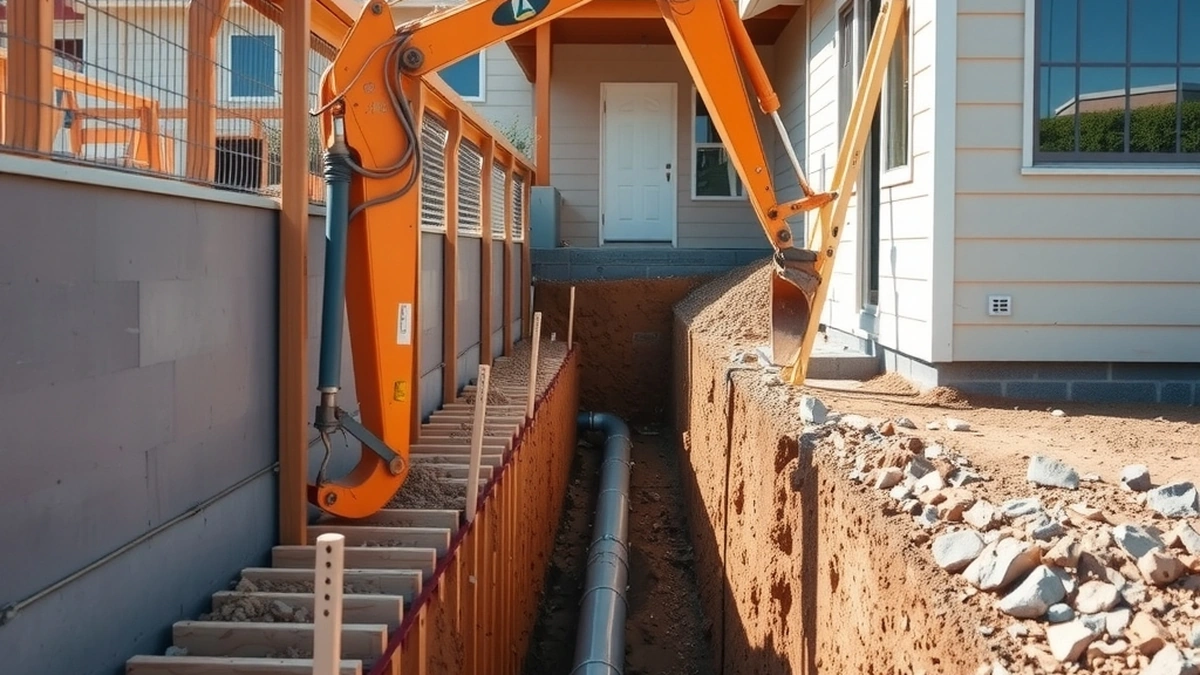
Trenchless lining installation is a one-day job on a normal residential line: inspect, clean, saturate a flexible liner with resin, push or pull it into the pipe, cure it in place, then camera the result. The pipe is never dug out. What the crew does dig is a small access pit, and often not even that, because a basement cleanout can serve as the entry point.
What is being installed
Trenchless lining is a repair method in which a resin-impregnated tube is inserted into an existing sewer pipe and cured so it hardens against the pipe wall, forming a new structural bore inside the old one. The trade name for the most common version is CIPP, cured-in-place pipe.
The liner arrives as a felt or fiberglass tube sized to the pipe’s inside diameter. Resin is worked into it, the tube is pulled or inverted into the sewer, and heat or light sets the resin. The finished product is a smooth, jointless pipe wall that seals cracks and covers root entry points.
Before the liner goes in
Two paid steps come first, and skipping either is how linings fail.
The camera inspection at $200 to $500 establishes footage, diameter, material, depth, and defect locations. It also answers the question that decides the whole job: is this pipe still round enough to line? A liner conforms to the host pipe. If the host is oval, collapsed, or back-pitched, the liner inherits the problem.
The cleaning at $300 to $800 removes what would otherwise sit between liner and pipe wall. Grease, scale, roots, and grit all prevent contact, and a liner that does not contact the wall does not bond to it. Most crews jet at high pressure and then camera again to confirm the surface is clear.
The installation sequence
- Set up and block flow. The crew plugs or diverts the line upstream, stages the jetter and cure equipment, and confirms the access path. The house cannot discharge water from this point until the cure finishes.
- Re-inspect and measure. A second camera pass confirms footage and checks that cleaning did not expose a defect that changes the plan, such as a collapsed section or an offset joint.
- Wet out the liner. Resin is measured, mixed, and worked into the tube under controlled conditions. Pot life and resin quantity are matched to the run length and the ambient temperature.
- Insert the liner. The tube is inverted or pulled through the cleanout or pit and advanced to the far end. A calibration tube or felt carrier holds it against the wall while it cures.
- Cure. Steam, hot water, or UV light cures the resin. Cure time on a residential run typically falls between two and six hours, and the crew monitors temperature or light dose throughout.
- Trim, reopen, and inspect. The crew cuts the liner open at each service connection, trims the ends, and runs a camera through the finished pipe. The job is not complete until that pass is recorded.
Steam, water, or UV: what changes
| Cure method | How it works | Practical effect |
|---|---|---|
| Hot water | Heated water circulated inside the liner | Even cure on irregular shapes; needs a boiler and water handling |
| Steam | Steam held under pressure inside the liner | Fast, common on residential runs, needs pressure control |
| UV light | A light train pulled through a UV-cured liner | Very fast cure and tight tolerance; liner must be manufactured for it |
The method is chosen by the installer and the liner supplier, not by the homeowner. What matters at the signing stage is that the quote names the cure method and that the warranty covers the liner as installed, because a cure failure is not something a homeowner can inspect for.
Service connections and the diameter question
Every wye and branch has to be reopened after the liner hardens. A robotic cutter opens them from inside, and the camera pass confirms each one is fully open and smooth. A connection that is cut short leaves a lip that catches solids, which is one of the more common trenchless lining problems reported after a job.
Lining also costs a small amount of inside diameter. On a 4-inch line that is usually tolerable. On a line that was already marginal, or one carrying a long run to the main, the better answer may be pipe bursting, which replaces the pipe and can increase the bore instead of shrinking it.
Inspection, payment, and the paper trail
The final camera recording is the deliverable. Ask for it before final payment, along with the cure log if the installer keeps one, the liner manufacturer and product name, and the warranty document naming the property.
| Document | Why it matters |
|---|---|
| Pre-work camera video | Proves the starting condition and the footage you were billed for |
| Post-cure camera video | Proves the liner is round, jointless, and the connections are open |
| Cure log or temperature record | Supports a warranty claim if the resin did not fully set |
| Warranty terms | States the years covered and what voids coverage |
What to do next
- Get the camera inspection at $200 to $500 and keep the video file.
- Confirm the line is a lining candidate, not a bursting or open-trench job.
- Have the line jetted at $300 to $800 before the liner is measured.
- Get a written quote naming footage, resin, cure method, and warranty length.
- Withhold final payment until the post-cure camera pass is handed over.
- Keep the video and warranty with the house documents for resale.
Costs are covered in detail in trenchless lining cost, and the alternative method is compared in pipe bursting vs trenchless lining. If the line is still being diagnosed, start with sewer line repair installation.
Frequently asked questions
How long does trenchless lining installation take?
A residential run is usually a single day on site, with cure time of two to six hours inside that day. Longer runs, multiple connections, and deep pits can stretch the work to two days.
Does the pipe have to be empty during installation?
Yes. The crew blocks the line and the house cannot discharge water while the liner is in place and curing, so plan on no laundry, showers, or flushing for most of the day.
How much does a liner reduce the pipe diameter?
A cured-in-place liner typically takes a small amount off the inside diameter, often described as a fraction of an inch. That is why the pipe is measured first and why a marginal pipe may need upsizing instead.
Can the liner be installed through a basement cleanout?
Often yes. A cleanout or an existing access point can serve as the insertion path, which is why lining avoids digging. The crew confirms access and pipe condition on camera first.
What happens if the liner fails the final camera inspection?
The installer should re-line or spot repair at their cost before closing out the job. That is why payment should be tied to a passed post-cure inspection, in writing.
Is trenchless lining installation noisy or messy?
It is quieter than excavation and produces far less spoil, but the work involves a jetter, a compressor or boiler, and resin handling. Expect a truck, hoses, and a blocked driveway for the day.
Sources
Some links are affiliate links.If you buy through them we may earn a commission at no extra cost to you. We do not accept payment for rankings. Read the full disclosure.