Pipe bursting maintenance after the pull
A new fused HDPE sewer line needs little care, but the connections, the pits, and the grade still need checking. Intervals, costs, and the ten-year arithmetic.
Pipe bursting maintenance is light: jet every two to three years at $300 to $800, camera every five at $200 to $500, and watch the two connections and the pits. A fused HDPE line has no joints to root.
- Hydro jetting
- $300–$800
- Camera inspection
- $200–$500
- Spot repair if a connection fails
- $1,500–$5,000
- Emergency backup call
- $500–$1,500
Some links on this page are affiliate links.If you buy through them we may earn a commission at no extra cost to you. We do not accept payment for rankings. Read the full disclosure.
Pipe bursting maintenance is mostly about the two ends and the two pits. The new line itself is a continuous fused polyethylene pipe with no joints along the run, so the failure mode that killed the old clay or cast iron line, roots at the joints, is gone by construction. What remains is what always remains: what enters at the connections, and whether the ground over the pits has settled.
What is different about a burst line
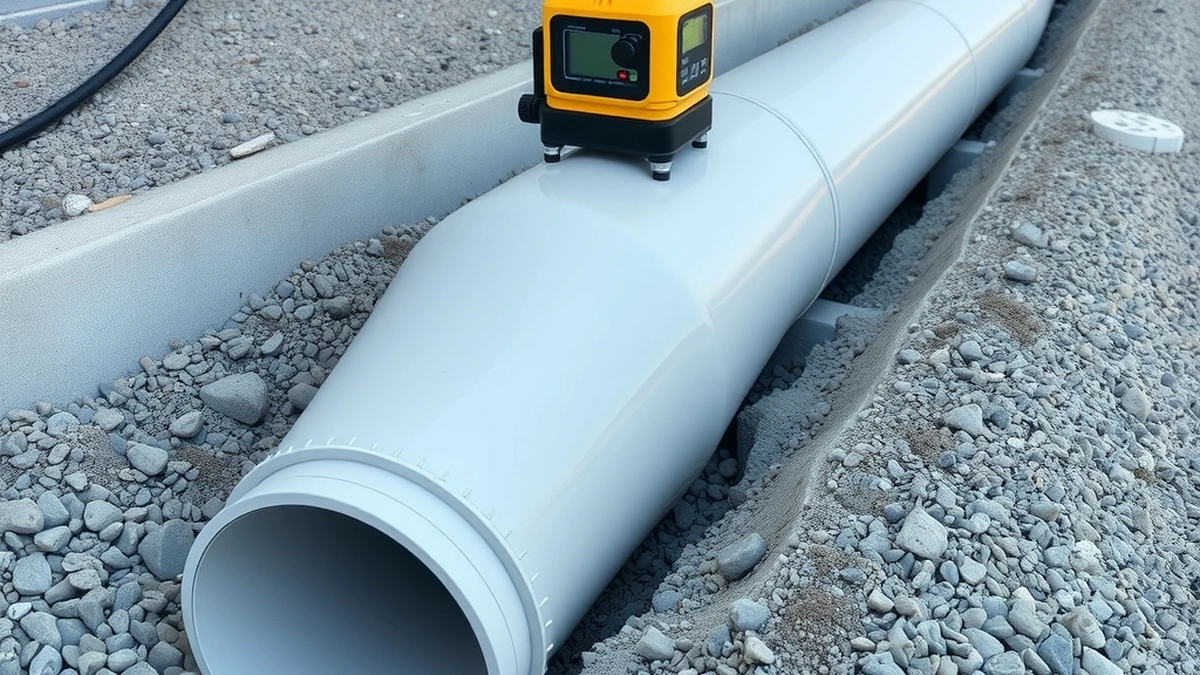
Pipe bursting is a replacement method that fractures the old pipe outward and pulls a new high-density polyethylene line into the same path. The new pipe is supplied in coils or fused sticks, joined by heat fusion, so a 60-foot run is one piece of plastic rather than sixty feet of jointed tile.
That single fact changes the maintenance calendar. A jointed clay line needs root control at every joint. A fused HDPE line needs attention at three places: the connection to the house, the connection to the municipal main, and any branch cut in during installation.
The schedule, by interval
| Interval | Task | Typical cost | Why |
|---|---|---|---|
| First 3 months | Walk the pits, top up settled soil, check the cleanout cap | $0 | Backfill settles after the first wet season |
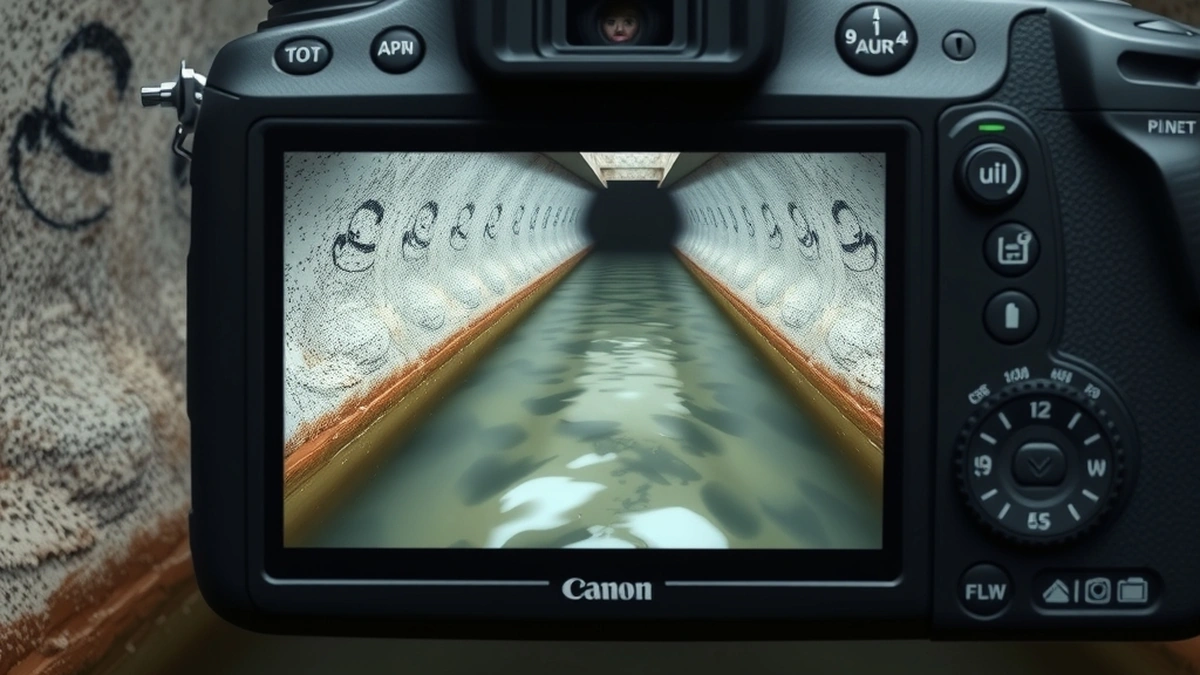
| First 12 months | Camera inspection | $200–$500 | Catches a connection that shifted as the ground settled |
| Every 2–3 years | Hydro jetting | $300–$800 | Clears grease and grit before they build |
| Every 5 years | Camera inspection | $200–$500 | Confirms grade, connection integrity, and no sag |
| After any backup | Camera before clearing | $200–$500 | Separates a use problem from a pipe problem |
| End of warranty | Camera inspection and document check | $200–$500 | Evidence if a claim is needed |
A new HDPE line sits at the long end of these intervals compared with a lined pipe, because there is no resin surface to protect and no joints to probe. Homes with heavy grease load, a long run, or a mature tree over the connection should use the short end.
The connection is the weak point
The pipe is fused. The connections are not. At the house, the new line meets the building drain, often through a transition fitting between plastic and cast iron or copper. At the main, it meets a tap cut into the municipal sewer. Both are places where movement, root growth, and differential settlement can open a path.
Roots find those two points reliably. A tree 15 feet from the lateral will send roots to the tap at the main long before it reaches anything else, because that is where moisture and nutrients collect. A camera pass is the only way to see it before it becomes a backup.
The other connection risk is the branch. If a second structure or an addition was tied in during the job, that cut-in is a joint in an otherwise jointless line, and it deserves the same attention as the two ends.
Jetting, chemicals, and what HDPE tolerates
High-density polyethylene is chemically inert compared with the materials it replaced. It handles normal jetting pressure at $300 to $800 without the scoring risk that a cured-in-place liner carries, and it tolerates the caustic cleaners that damage resin.
That does not make chemicals a good idea. Caustic drain cleaner does not clear grease effectively and does not touch roots, so it buys a delay rather than a fix. Jetting removes the material. A camera pass tells you whether there is anything to remove.
Tell the technician the line is HDPE before work begins. Pressure and nozzle choice are set by pipe material, and a crew that assumes clay will use a gentler setting than the pipe requires.
Ten years of care, in dollars
The maintenance budget on a new line is small, and it is worth writing down so it does not get skipped.
- Four jetting visits at $450 each is $1,800.
- Three camera passes at $350 each is $1,050.
- Together, that is $2,850 over ten years, or $285 per year.
- Skip to two jetting visits and two camera passes and it is $1,600 over ten years, or $160 per year.
Set that against the alternative. One emergency backup call is $500 to $1,500 before any repair. A connection that fails and needs a spot repair is $1,500 to $5,000. The maintenance spend is not protecting a $9,000 pipe from wear; it is keeping a small problem from becoming a pit in the yard.
When maintenance is not the answer
A backup that repeats within a few weeks is not a maintenance problem. Neither is a line where every fixture drains slowly at once, or a cleanout that stands full of water. Those point to a grade problem, a collapsed section, or a connection that has separated, and they need a camera pass rather than another jetting visit.
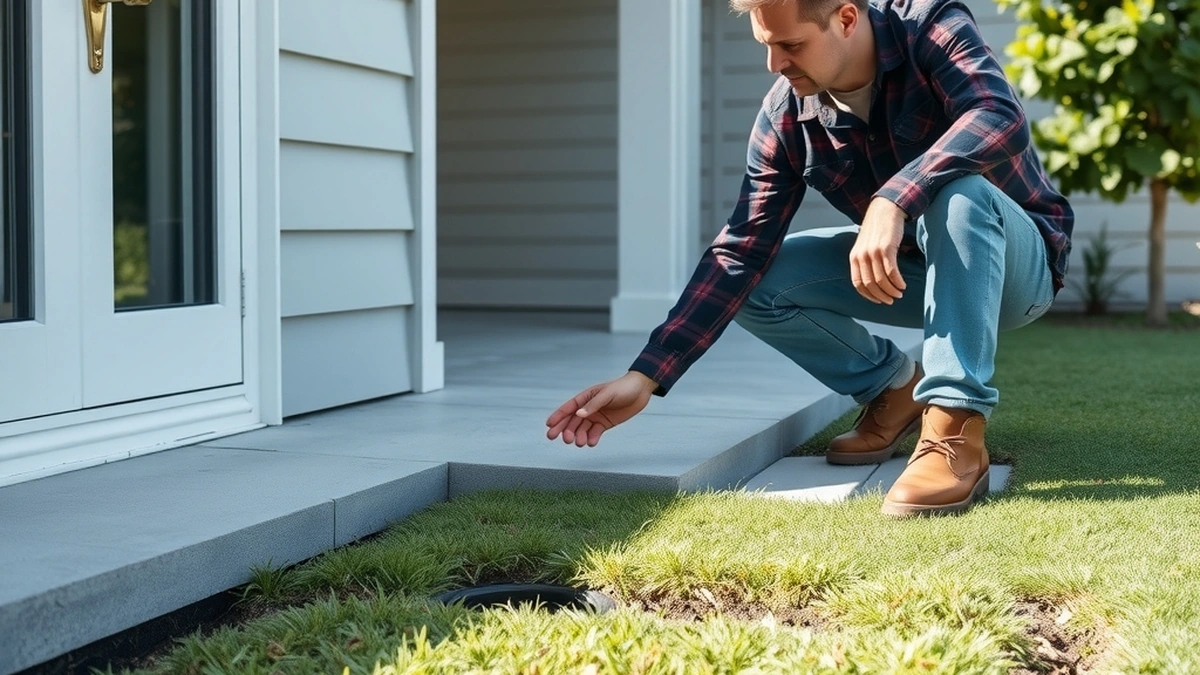
A dip in the lawn over one of the pits is different and usually harmless. Backfill settles, especially in the first wet season. Rake, top up with soil, and reseed. A crack in a concrete patch over a pit is a compaction issue worth repairing before water gets under the slab, but it is not a sign that the new pipe has failed.
The failure modes on the installation side, including heave and stalled pulls, are covered in pipe bursting problems. If the camera does show a defect, the price bands are in pipe bursting cost.
What to do next
- Photograph the finished pits and the cleanout before the crew leaves.
- Record the install date, pipe material, diameter, and warranty length in your house file.
- Walk the pits after the first wet season and top up any settlement.
- Book the first camera inspection within twelve months at $200 to $500.
- Set jetting at $300 to $800 on a two to three year cycle after that.
- Camera before clearing after any backup, so the cause is on record.
For the method itself, see pipe bursting installation, and for the choice between replacing and lining, see pipe bursting vs trenchless lining. Maintenance on a lined pipe differs enough to warrant its own schedule, covered in trenchless lining maintenance.
Frequently asked questions
Does a pipe-burst sewer line need maintenance?
Less than the pipe it replaced. Jetting every two to three years at $300 to $800 and a camera inspection every five years at $200 to $500 covers most homes, plus a look at the two connections after the first year.
Can roots get into a new HDPE sewer line?
Not through the pipe wall, because the run is fused into one continuous length. Roots can still enter at the connection to the house, at the municipal main, and at any branch that was cut in.
How soon should the new line be inspected after bursting?
Within the first year, and again at the end of any warranty period. The first-year pass catches a connection that moved as the ground settled around the new pipe.
Is jetting safe for HDPE pipe?
Yes. High-density polyethylene handles normal jetting pressure well, and it is not damaged by the cutting heads that can score a cured-in-place liner. Tell the technician the line is HDPE anyway.
What about the backfilled pits settling?
Settlement over the pits is normal in the first season. A dip in the lawn or a crack in a patch is a compaction issue at the pit, not a failure of the new pipe, and it is cheap to top up.
When is a backup a pipe problem rather than a use problem?
When it repeats within weeks, when more than one fixture is slow, or when the camera shows a sag. A single backup after heavy grease or wipes use is usually a use problem, not a pipe problem.
Sources
Some links are affiliate links.If you buy through them we may earn a commission at no extra cost to you. We do not accept payment for rankings. Read the full disclosure.