Trenchless lining vs pipe bursting
Lining costs $4,000 to $12,000 and bursting $5,000 to $15,000, but price is the wrong first question. Here is what each method can and cannot do.
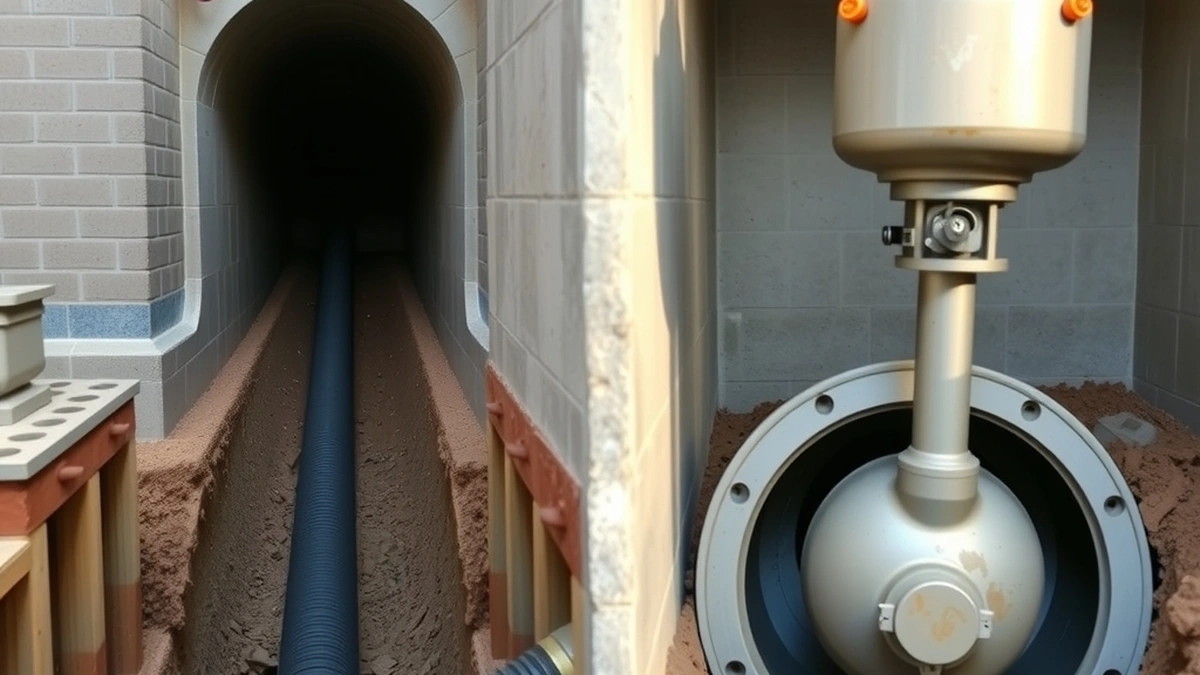
Trenchless lining installs a resin liner inside the existing pipe for $4,000 to $12,000 and keeps the diameter. Pipe bursting pulls new HDPE through, fracturing the old pipe, for $5,000 to $15,000 and can upsize. Lining needs an intact bore; bursting does not.
- Trenchless lining
- $4,000 - $12,000
- Pipe bursting
- $5,000 - $15,000
- Lining lifespan
- 50 years
- Access pits
- 2 pits
Some links on this page are affiliate links.If you buy through them we may earn a commission at no extra cost to you. We do not accept payment for rankings. Read the full disclosure.
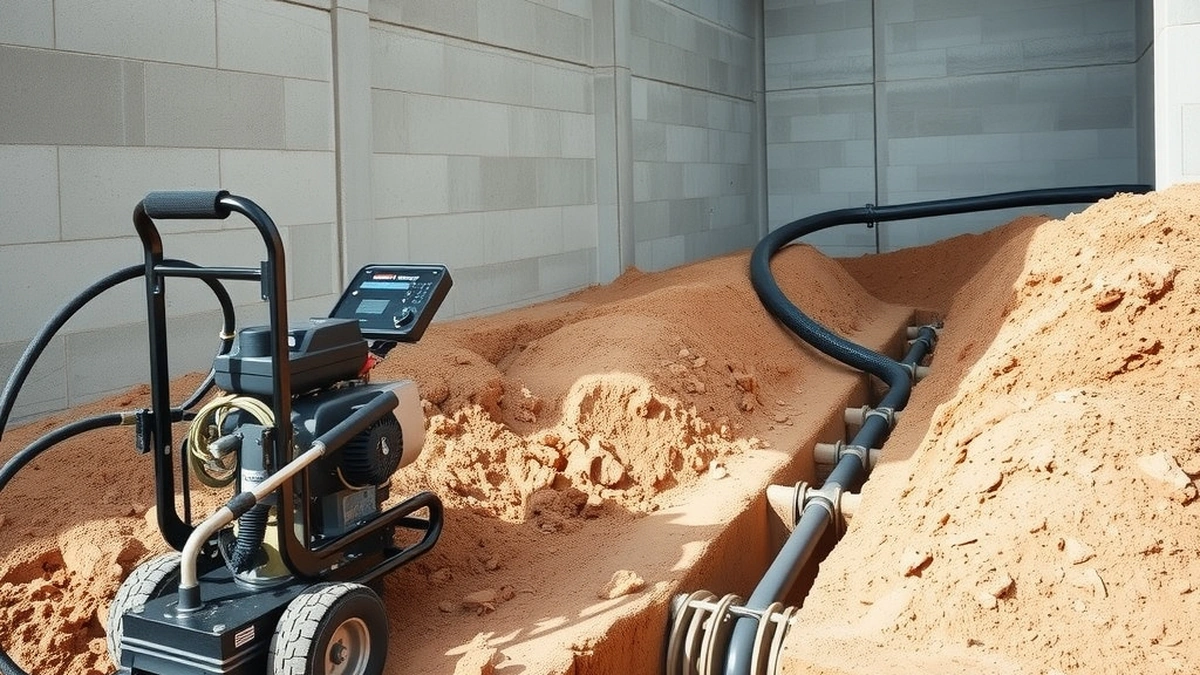
Trenchless lining and pipe bursting are both trenchless, both cost thousands, and both get sold as “no digging.” They are not substitutes. Lining installs a resin liner inside the existing pipe for $4,000 to $12,000 and keeps the bore roughly as it is. Bursting pulls a new HDPE pipe through while fracturing the old one, for $5,000 to $15,000, and can increase diameter. The camera finding decides which is possible.
Definitions, plainly
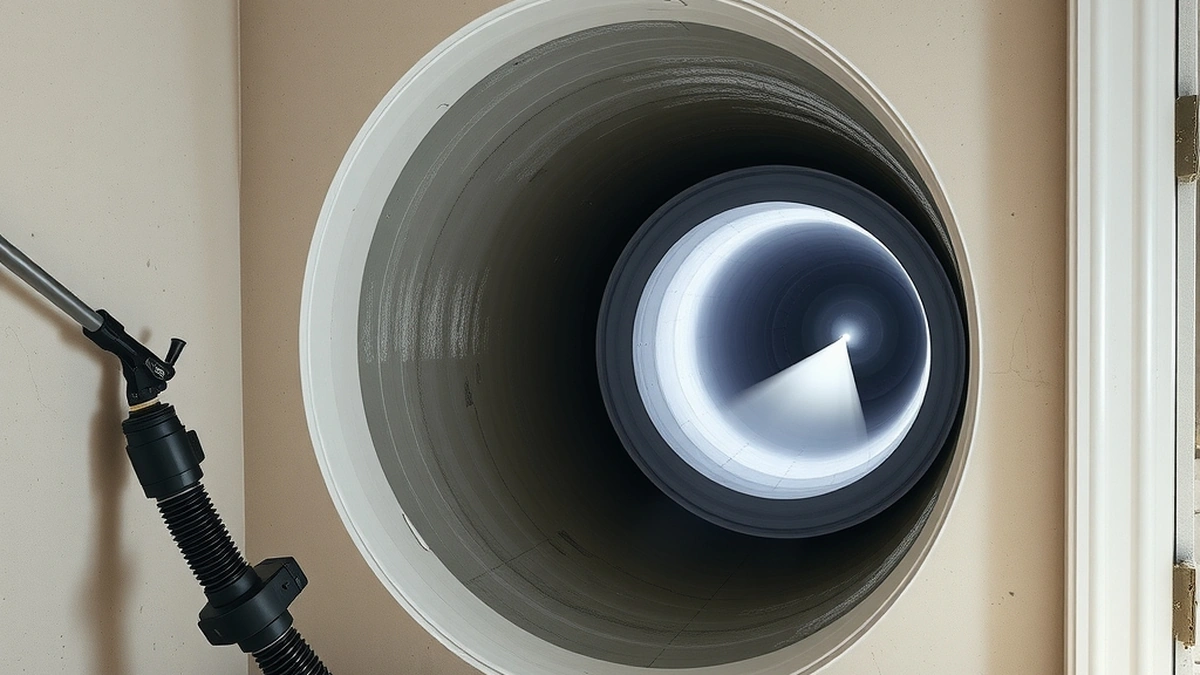
Trenchless lining — usually cured-in-place pipe, or CIPP — is a rehabilitation method in which a resin-saturated felt or fibreglass tube is pulled or inverted into the existing pipe, inflated against the wall, and cured in place with steam, hot water or UV light.
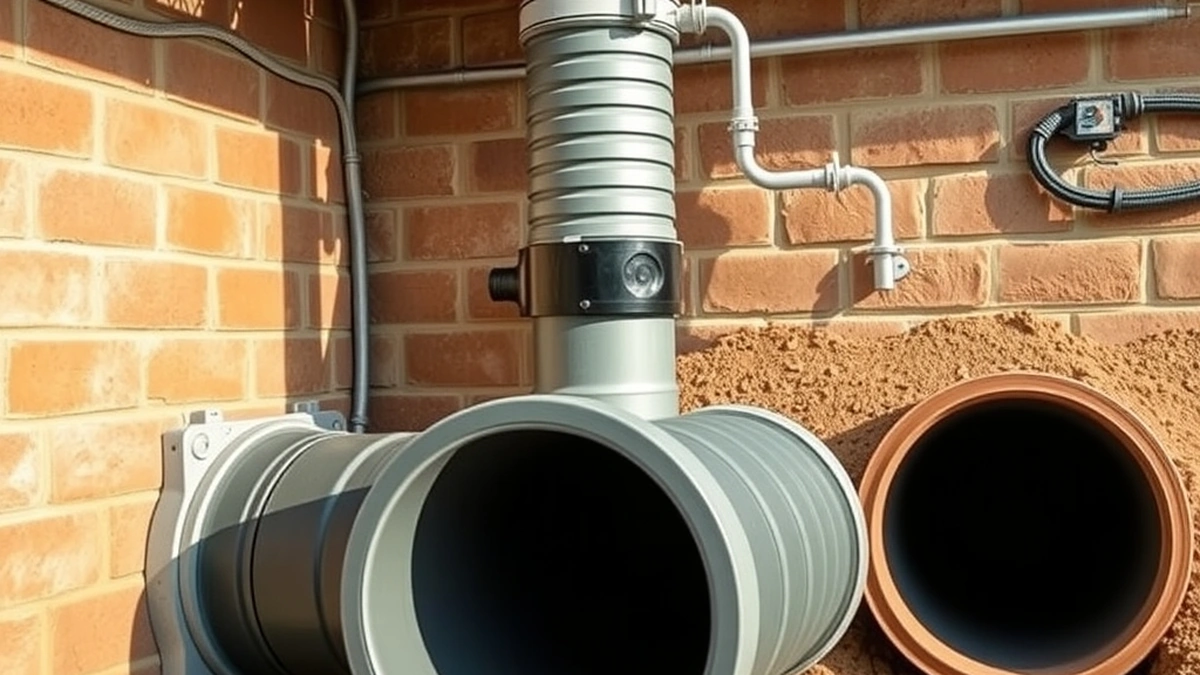
Pipe bursting is a replacement method in which a conical bursting head is pulled through the old pipe, fracturing it outward into the surrounding soil, while a new high-density polyethylene pipe is drawn in behind the head.
One lines the pipe. The other replaces it without a continuous trench. That distinction drives every other difference.
Side-by-side
| Feature | Trenchless lining | Pipe bursting |
|---|---|---|
| Cost | $4,000 - $12,000 | $5,000 - $15,000 |
| Bore after work | Slightly reduced | Same or larger |
| Requires intact bore | Yes | No |
| Handles collapse | No | Yes |
| Handles offset joints | Yes, bridges them | Yes, replaces them |
| Restores fall | No | No |
| Access | Two pits | Two pits, larger entry |
| Disruption | Low | Low |
| Typical life | 50 years | 50 years |
| Structural independence | Relies on host pipe | Fully independent |
The two rows that decide most jobs are “requires intact bore” and “restores fall.” Both methods fail the second one, so a sagging line is not a candidate for either.
When lining is the right choice
Lining wins when the pipe has lost wall integrity but kept its shape. The classic findings:
- Longitudinal or circumferential cracks
- Joint infiltration without displacement
- Root intrusion through open joints
- Internal corrosion or scale in cast iron
- Multiple defects along a run that is otherwise aligned
Lining is also cheaper, which matters when the budget is the constraint. On a 60-foot run with three cracked joints, lining at $8,500 against bursting at $11,000 leaves $2,500 for restoration or a contingency.
The trade-off is diameter. A liner takes up wall thickness, typically reducing the internal diameter by a small amount. On a 4-inch line serving a house, that is rarely a problem. On a line already undersized for the fixtures, it can be.
When bursting is the right choice
Bursting wins when the pipe cannot be lined.
- Collapsed sections. A liner needs a bore; a collapse has none.
- Severely deteriorated pipe. Orangeburg, or cast iron with little wall left.
- Undersized lines. Bursting can upsize by one nominal step.
- Multiple tight offsets. A liner bridges them; a new pipe removes them.
Bursting is also the better answer when the host pipe is so degraded that a liner would be relying on a shell that has no structural value. That is a judgment about remaining life, and it is worth asking a contractor directly: what is holding the liner in place in ten years?
The cost arithmetic on one run
Take a 70-foot clay lateral with cracks at four joints and no collapse.
- Lining: $9,200 plus two pit restorations at $500 = $10,200.
- Bursting: $11,800 plus two pit restorations at $500 = $12,800.
- Difference: $2,600 for a method that replaces rather than lines.
Now the same run with a collapsed section at 45 feet.
- Lining: not possible without excavating the collapse first. Repair at $3,200 plus lining at $9,200 plus restoration $1,200 = $13,600.
- Bursting: $12,800, one operation, one warranty.
The collapse flips the answer. That is the whole reason a camera inspection comes before a method conversation.
What neither method does
Both follow the existing path. That means:
- A belly stays a belly. Water will still stand in the low spot.
- A misaligned connection stays misaligned. The new pipe or liner follows the old route.
- A shallow line stays shallow. Depth is unchanged.
If the problem is grade rather than integrity, the answer is open-trench replacement at $5,000 to $15,000, which is the same price band but with a trench and a restored slope.
The grading case is covered in bellied pipe repair, and the full replacement option is set out in full replacement installation.
What to ask before choosing
- Is the bore intact through every defect? If not, lining is out.
- What is the current internal diameter, and what will it be after? Lining reduces it.
- Does the pipe hold grade? If not, neither method solves the problem.
- What is the host pipe’s remaining structural value? This decides liner versus new pipe.
- What warranty applies, and does it transfer?
- What does the total include — pits, restoration, permit, pre- and post-camera?
A contractor who answers all six has thought about the job. One who answers only the price has quoted a method, not a solution.
The short version
Lining is cheaper and less disruptive, and it works on a pipe that is cracked but still round. Bursting costs more and replaces the pipe outright, and it is the only trenchless option when the pipe has collapsed or is undersized. Neither fixes a sag.
For the cost detail on each, see trenchless lining cost and pipe bursting cost. For the three-way comparison including digging, read trenchless lining vs full replacement.
One last practical point on quotes: ask whether the liner is structural or non-structural. A non-structural liner is a corrosion barrier that relies entirely on the host pipe; a structural liner is designed to carry load on its own. That distinction, not the price, is what determines whether a lined pipe survives a future excavation or a heavy vehicle over the driveway. It should be in writing, with the manufacturer’s designation.
Frequently asked questions
Is trenchless lining or pipe bursting cheaper?
Lining is usually cheaper, at $4,000 to $12,000 against $5,000 to $15,000 for bursting. The gap narrows or reverses when the existing pipe is undersized or when access pits are difficult.
Can pipe bursting increase the pipe diameter?
Yes, typically by one nominal size. That is the main structural advantage over lining, which reduces the bore slightly because the liner takes up wall thickness.
Does lining work on a collapsed pipe?
No. A liner needs an intact bore to press against. A collapsed section must be excavated and repaired before lining, or the whole run replaced by bursting.
Which method lasts longer?
Both are commonly rated at 50 years. A liner relies on the host pipe for shape; a new HDPE pipe is structurally independent, which matters if the old pipe is deteriorated.
How many access pits does each need?
Lining typically needs two, one at each end of the run. Bursting also needs two, but the entry pit must be sized for the bursting head and the new pipe coil.
Can either method fix a sagging pipe?
No. Both follow the existing path, so a belly remains a belly. Only open-trench replacement restores fall, which is why the camera finding matters more than the method comparison.
Sources
Some links are affiliate links.If you buy through them we may earn a commission at no extra cost to you. We do not accept payment for rankings. Read the full disclosure.